AMMO of Mig Jimenez is organised as a system that follows a military model from primer to final grime. The catalogue splits into lines: one carries ground-vehicle shades, another saturated high-coverage colours, and alongside them sit ready-made sets assembled for particular vehicles and periods. The paints thin with water or the matching product and lead directly into the same maker's weathering range.
That continuity is the point of the system rather than a marketing line. Paint, wash and final finish are designed to sit on one another without barrier coats in between, which removes a stage where projects usually go wrong.
The structure mirrors the order of a build. Base opaque shades to specification first, then saturated and effect tones for detail, then the products for dirtying it all down. The lines therefore extend one another rather than overlapping, which is why the catalogue reads strangely as a colour chart and sensibly as a schedule of work.
In practice that means you rarely need to decide between two lines for the same job. You decide which stage of the model you are at, and the line follows from that.
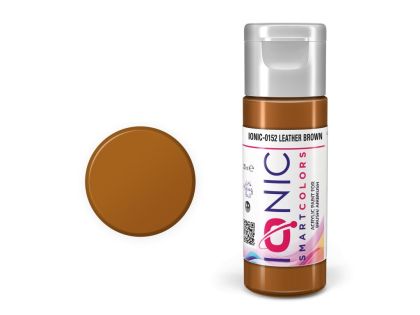
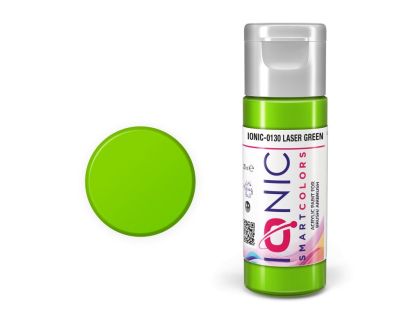
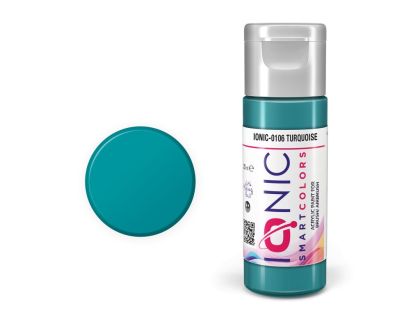
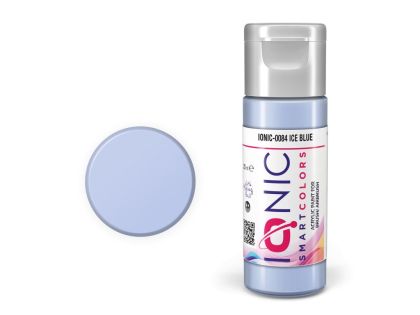
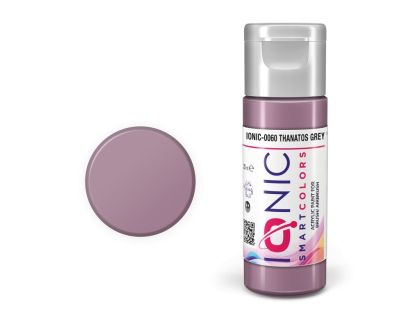
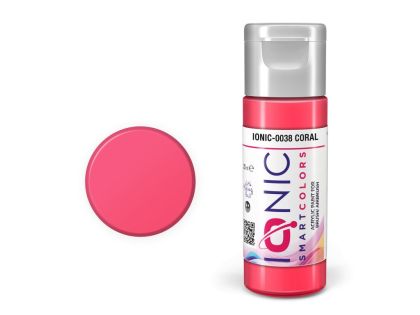
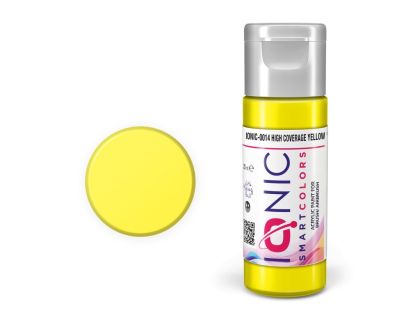
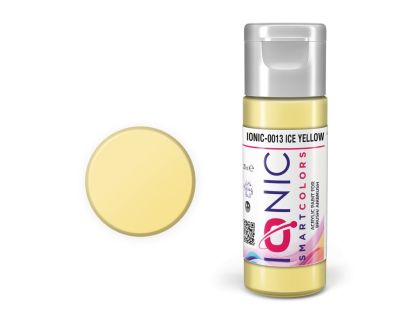
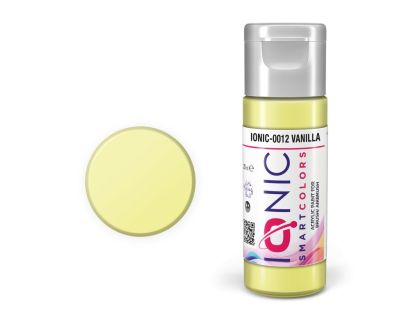
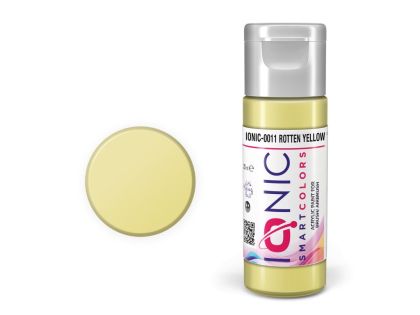
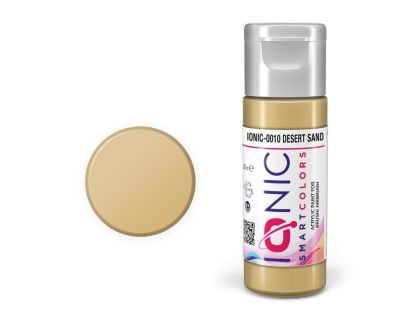
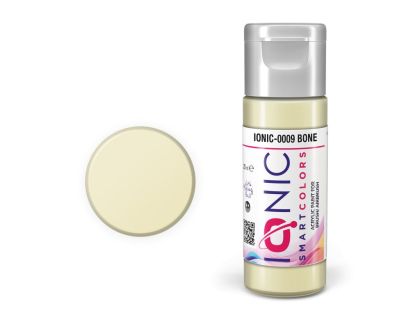
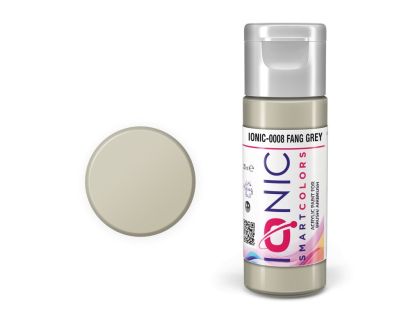
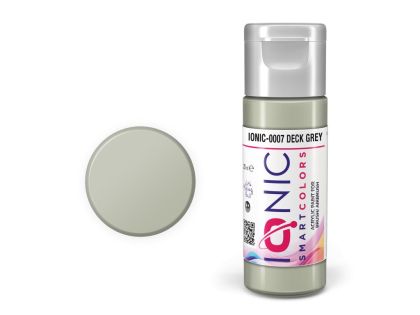
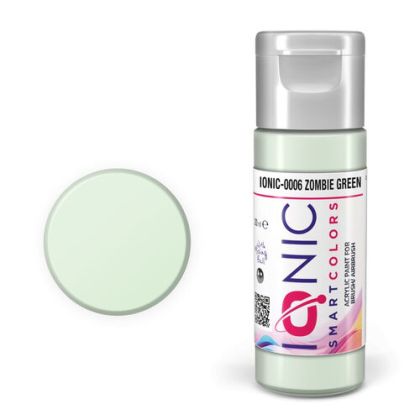
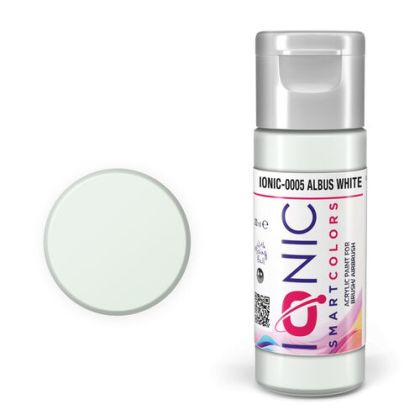
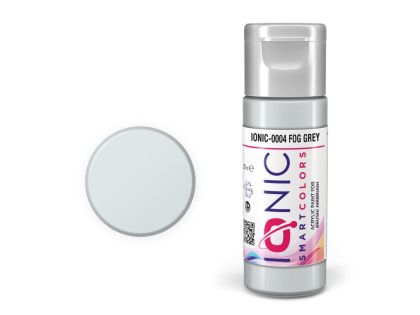
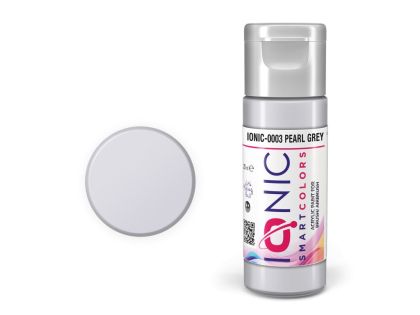
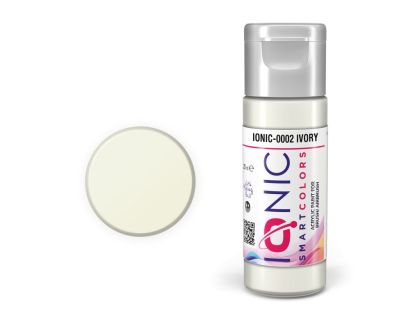
ATOM covers the common camouflage and technical tones in a volume suited to large surfaces, while IONIC brings saturated, high-coverage colours for the cases where ordinary acrylic wants three coats.
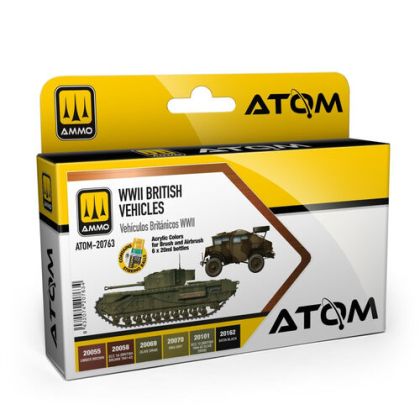
If you are building one specific vehicle, ATOM sets and IONIC sets gather the shades of a single scheme into one box, interior tones included.
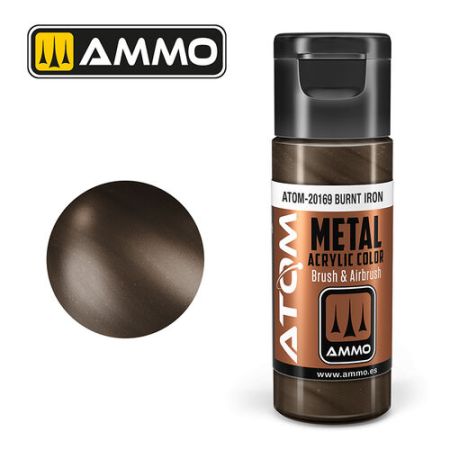
For bare metal, exhausts and worn edges, Alclad II and Metal Acrylics do what an opaque shade cannot, because a metal surface reads through reflection rather than through colour.
Building a vehicle end to end inside one system means less experimenting and fewer unpleasant surprises in the final stage, where mistakes are hardest to undo. You can start with a single line and add to it as projects demand rather than buying the structure all at once.