A modelling bench decides how pleasant a build is and how much of the small detail you can actually see. This section brings the whole workspace together: cutting mats that protect the surface, task lamps and magnifiers, storage for paints and tools, display cases for finished models and backdrops for photographing them.
None of it has to arrive at once, and buying it all at once is usually a mistake. Below we set out what to start with, how to light a bench properly, and what keeps a workspace usable after four unbroken hours rather than forty minutes.
A modeller's workspace does not have to be a separate room. A surface that takes the model in progress and an arm's reach to the tools currently in use will do; everything else gets added as you meet the need for it. Someone painting figures wants a different set-up from someone gluing a large aircraft, and anyone working on the dining table is mainly solving the problem of packing the whole thing away in a minute.
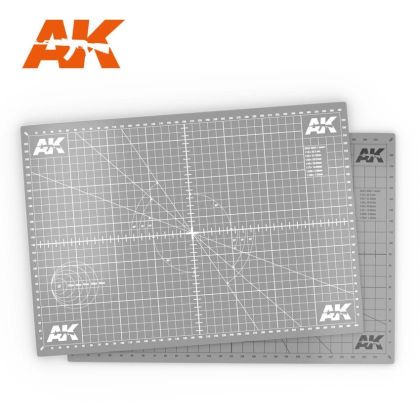
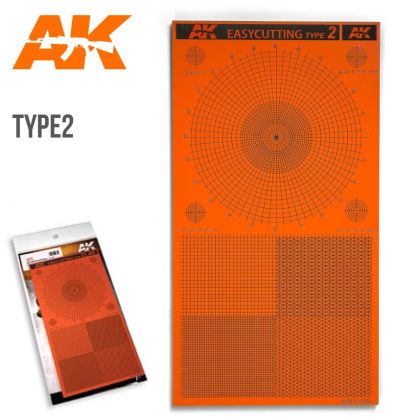
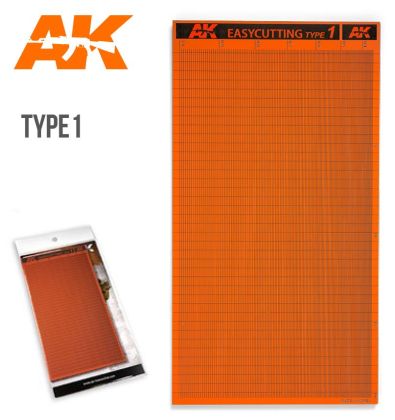
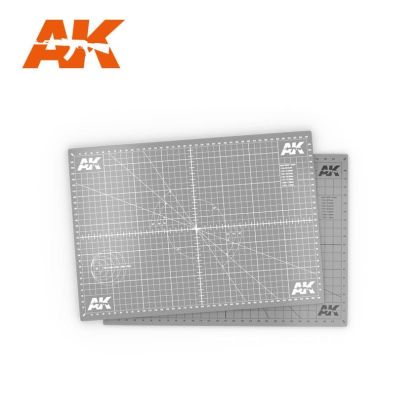
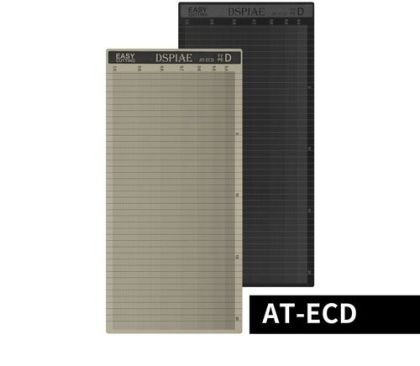
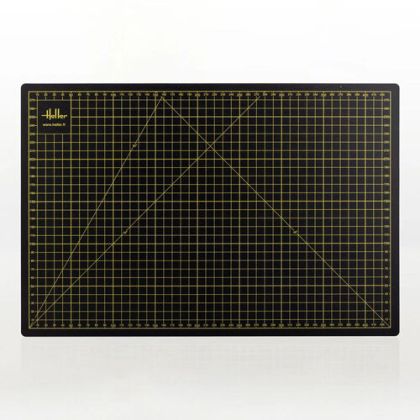
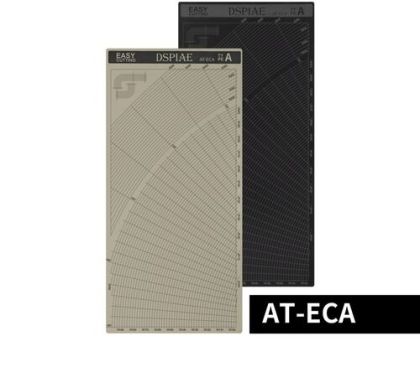
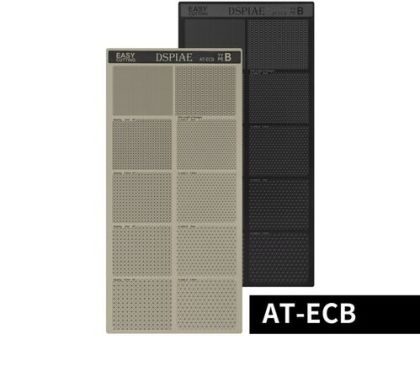
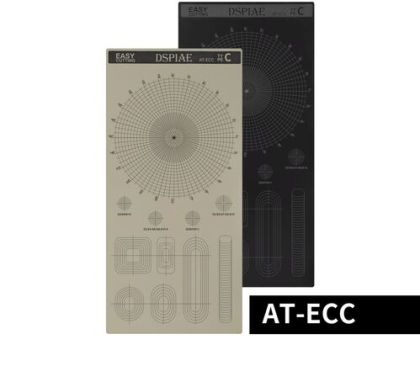
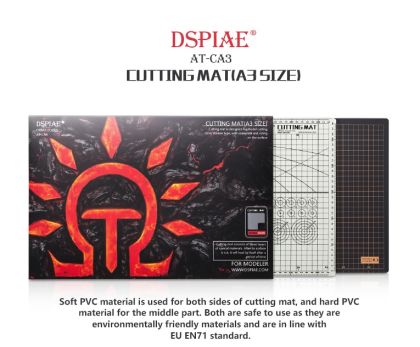
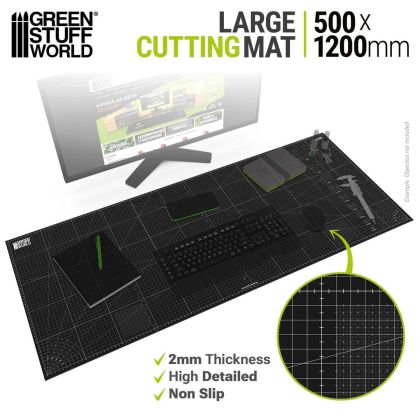
The starting point is a self-healing cutting mat. It stops scratches, the blade does not skate across it, and it grips the part while you cut. Some versions carry a printed grid and arc templates, which makes them useful for slicing masking tape as well. Choose a size that takes the whole part and the hand holding it.
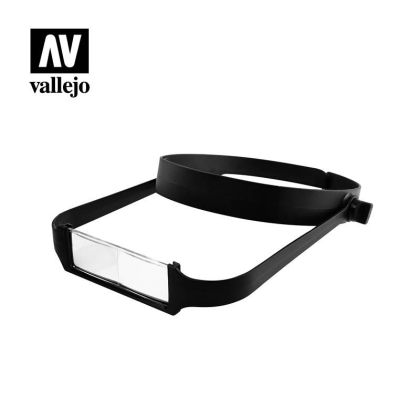
Lighting is the most underrated part of a bench. Task lamps on an adjustable arm light the model from the side, which reveals the unevenness in filler that overhead light hides completely. Some lamp heads have a built-in lens and replace a separate magnifier; when you are gluing photo-etched parts, which are thin brass sheets carrying very fine detail, or painting the eyes on a figure, magnification is effectively compulsory. If you want both hands free, look at magnifying glasses.
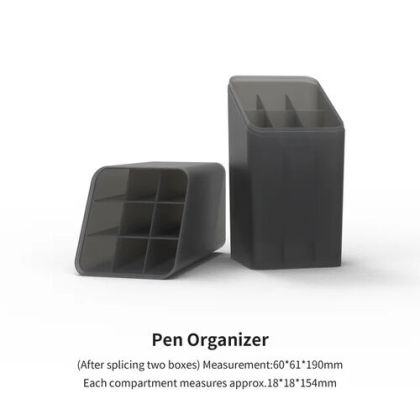
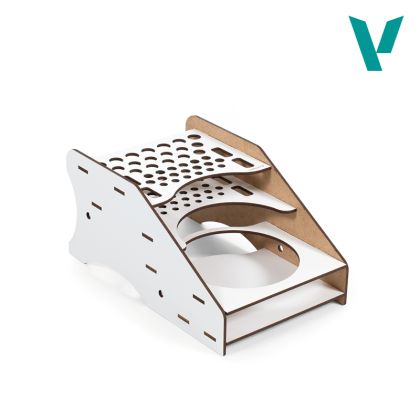
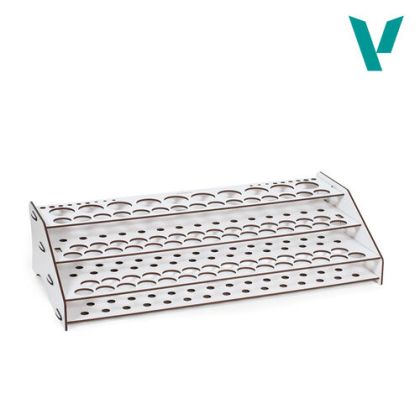
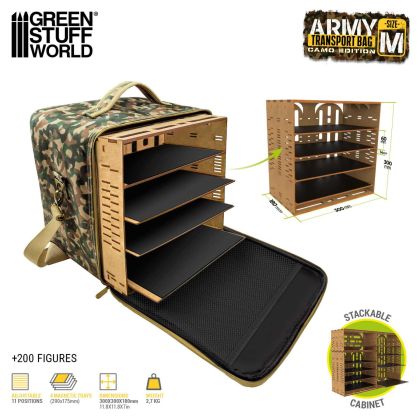
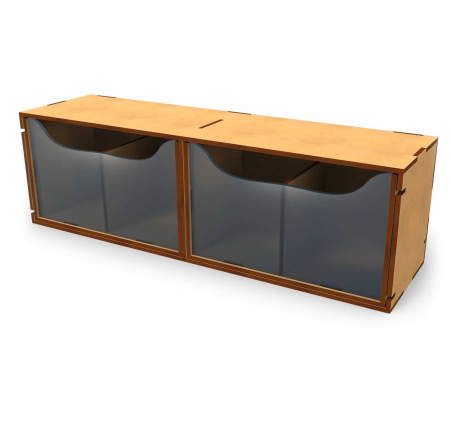
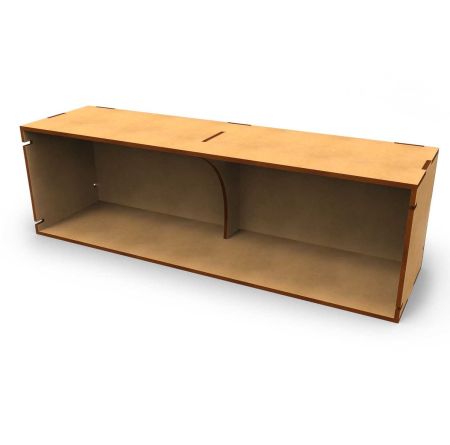
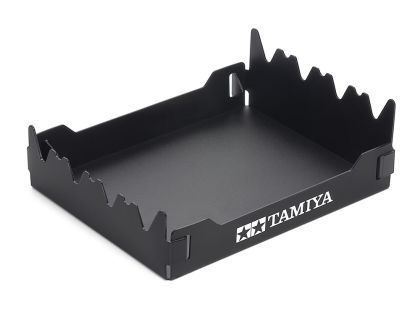
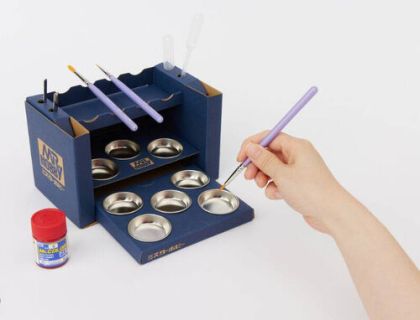
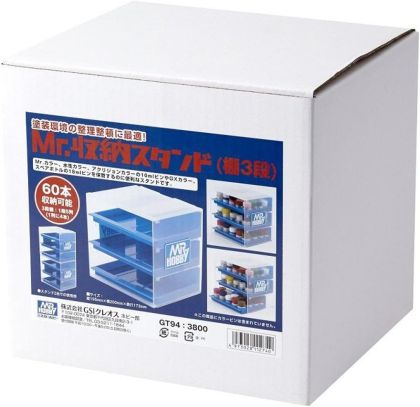
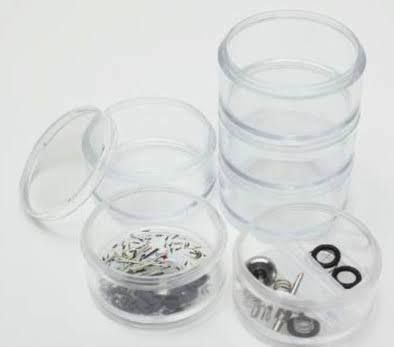
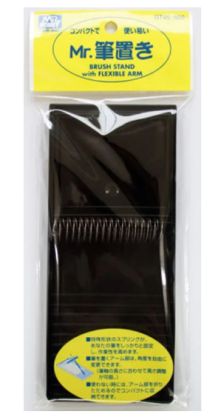
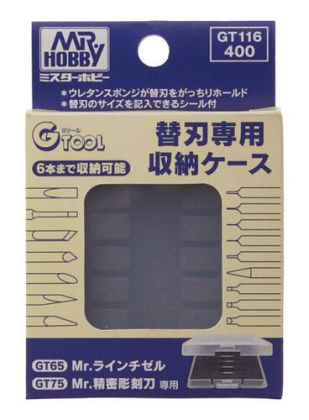
Organizers for bottles and stands for tools save more time than they look as though they could: you find a paint by its colour instead of rotating a label towards you. A finished model then belongs in a display case, out of the dust, and if you photograph your work, photography backdrops with a neutral surface are worth having.
A workspace is built over years. Get the mat, get decent light, get the tools under control, and add the rest when a specific job forces the question. The wider range is in modelling supplies.