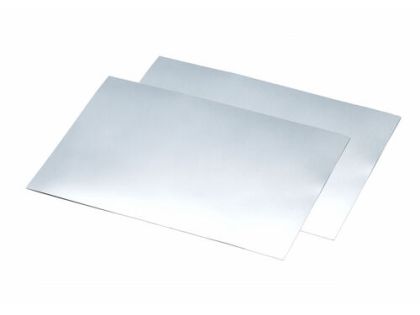
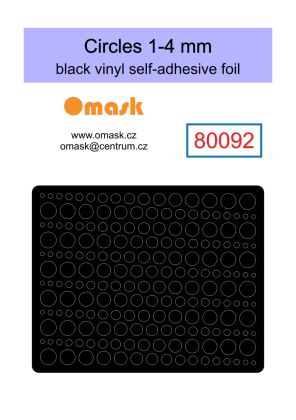
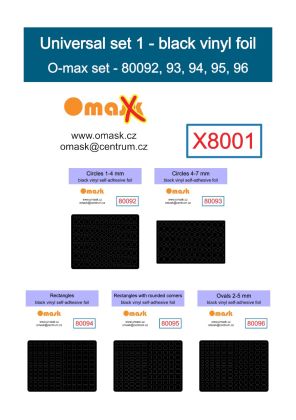
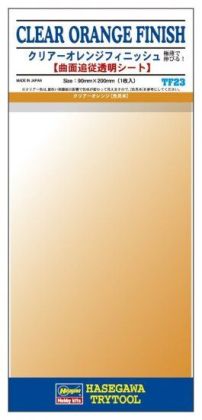
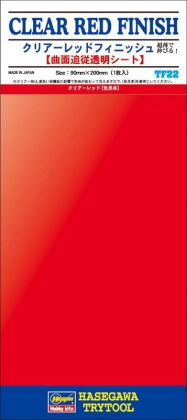
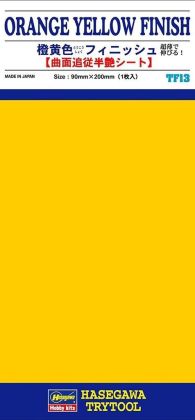
Foils and films handle the transparent, coloured and bright-metal areas of a model. Stocked here are 140 × 200 mm tinting films in light grey, light blue, green and dark green, clear coloured sheets 90 × 200 mm in orange, red and yellow, vinyl sticker sheets of pre-cut circles, ovals and rectangles from 1 to 7 mm, ultra-thin metallic foil stickers, and large printed water film for the base beneath a model.
All of it does work a brush cannot: the edge stays sharp, the surface stays smooth, and a tinted pane stays see-through.
Three separate jobs. Tinted glazing and lit covers, where you need colour and transparency at the same time. Small coloured or metallic patches that would never be crisp enough brush-painted — warning lamps, sensor covers, mirrors, instrument faces. And large areas such as a water surface under the model or a printed covering.
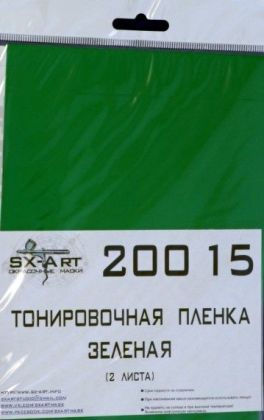
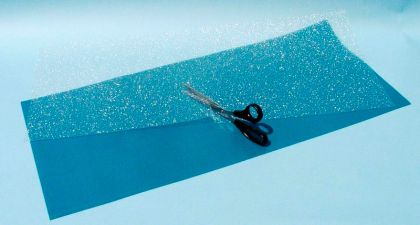
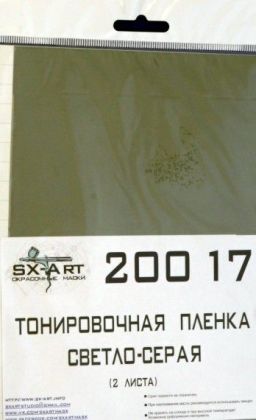
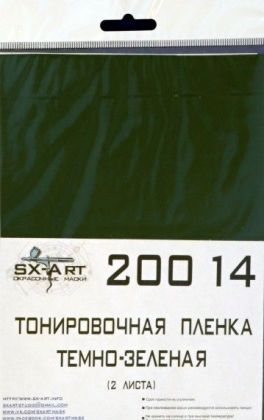
Tinting film is fitted or glued to the inside face of the glazing, so the pane takes on a tint but stays transparent. It suits smoked vehicle glass, canopies and headlamp covers. The clear orange, red and yellow sheets are used differently: you cut them into tiny lenses for beacons, navigation lights and indicator lamps. For unpainted clear glazing stock, see the styrene and acrylic sheet.
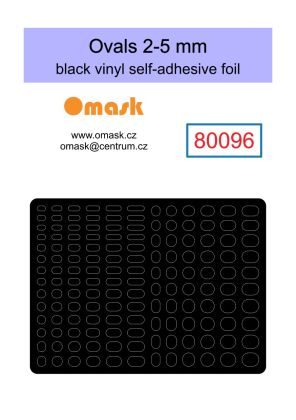
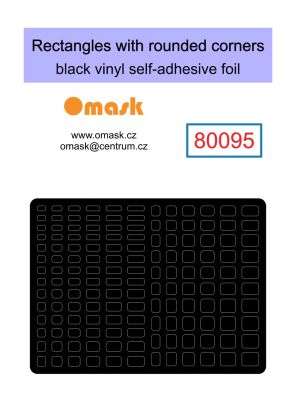
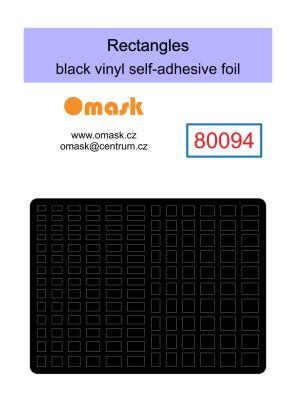
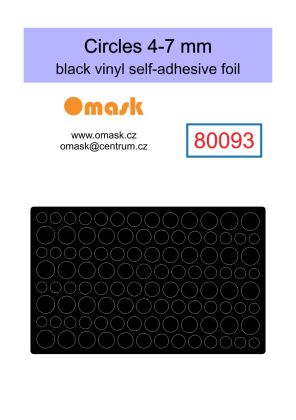
Sheets of pre-cut circles, ovals and rectangles from one to seven millimetres are more than decoration. Lifted with tweezers they become small applied patches, but just as often they serve as masks: stick the shape down, spray around it, peel it off and a clean hard-edged outline is left behind. For larger areas, masking fluid takes over.
Ultra-thin metallic stickers give a bright metal surface where paint would never be smooth enough: window surrounds, mirrors, rubbing strips. Large-format printed water film is a quick base for a ship model or a scene, and the products that finish it off sit under diorama water.
Coloured lenses and smoked glass are among the most common details on automotive subjects, so the kits that go with them are in car model kits.