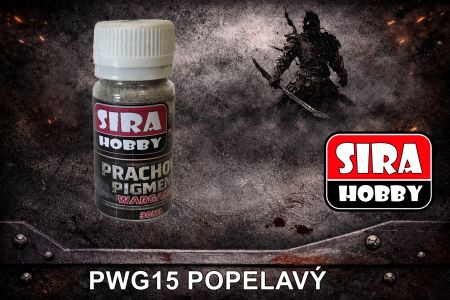
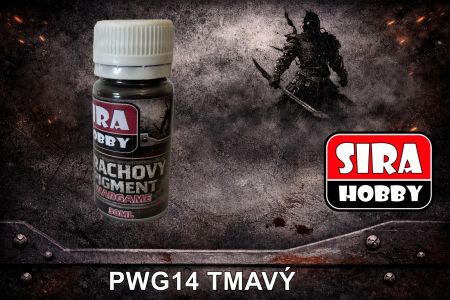
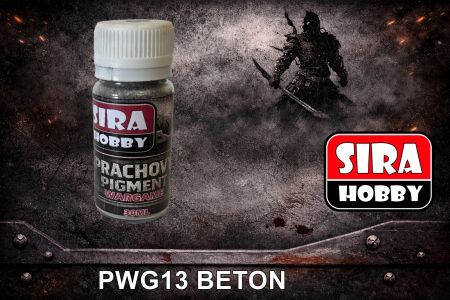
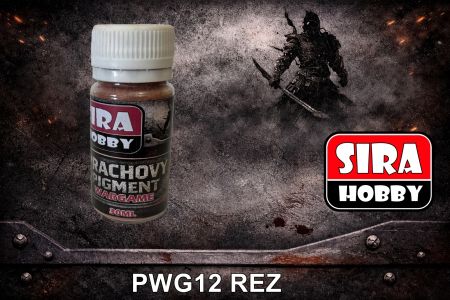
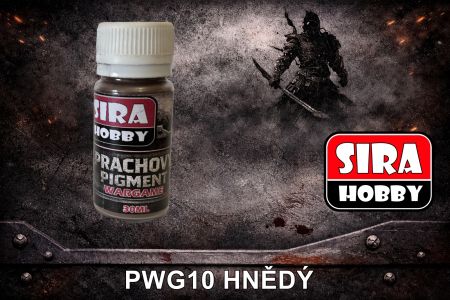
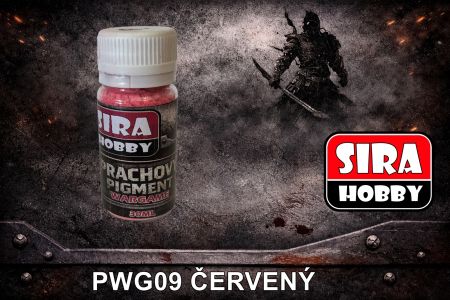
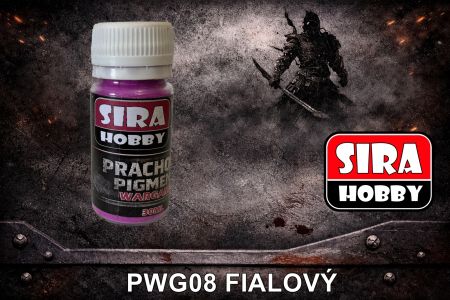
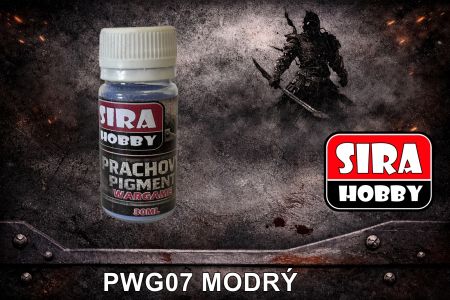
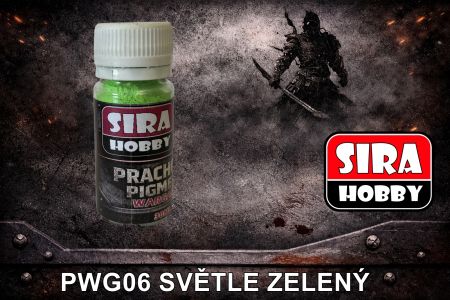
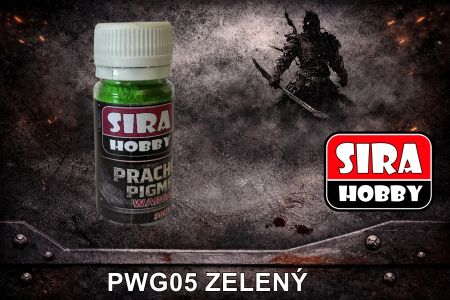
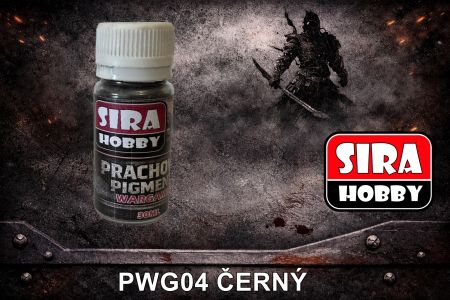
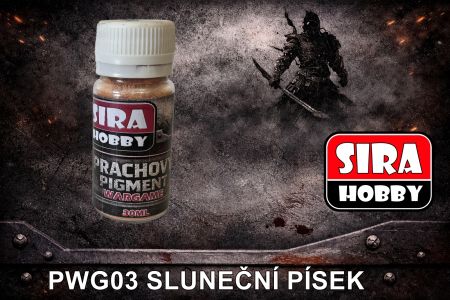
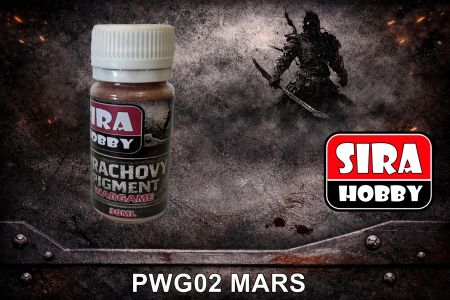
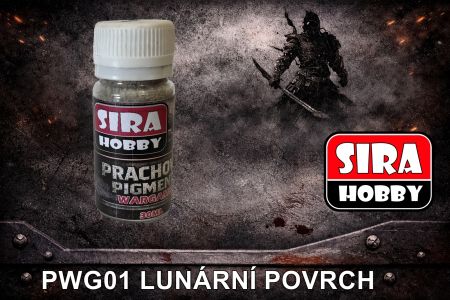
Pigments are dry powder — the same milled mineral colour that goes into paint, without any binder. That absence is the whole point: a fixed pigment gives a dead matt, slightly granular surface that no paint can imitate, because paint always has a resin in it that reflects light. Dust on a mudguard, ash in a corner, dried earth in a tread pattern all behave that way.
Working with powder also changes the method. There is no drying time, nothing runs, and you can brush most of it away and start again — right up until you fix it, at which point the colour darkens and the decision becomes permanent.
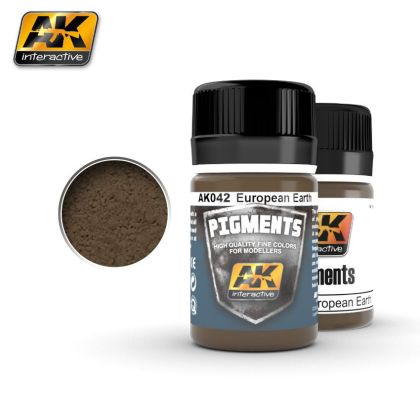
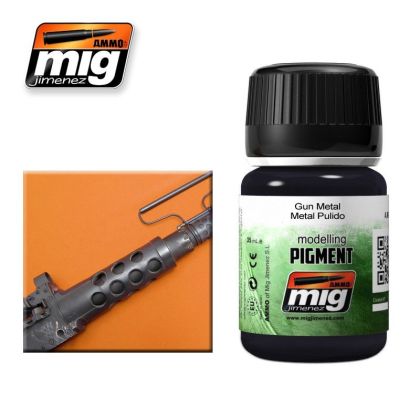
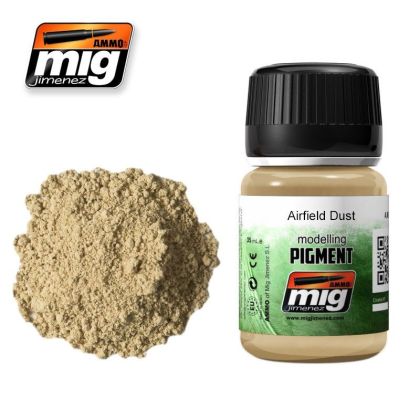
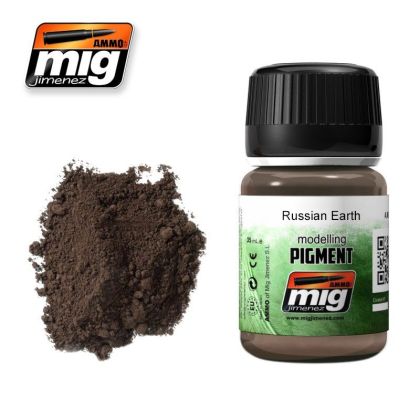
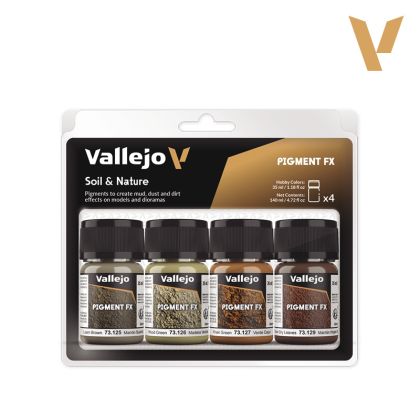
Single jars of loose powder in dust, light and dark earth, concrete, ash, soot, light and heavy rust tones, plus boxed selections grouped by environment such as soil and nature. Grades vary: finer powders settle into a smooth film and suit dust, coarser ones hold texture and suit dried mud and rust scabs.
Pick the powder up on a soft brush, tap off the excess and work it into the area with the tip. A matt base holds pigment far better than a gloss one, so this step comes after the final clear coat. A stiff short-bristled brush from specialist weathering brushes pushes powder into corners; a soft wide one removes it again.
Drop a little odourless thinner or white spirit onto a pile of pigment on the model and let it carry the powder into recesses and down vertical surfaces. As the carrier evaporates the pigment stays where the liquid went, which is how a convincing rust streak or a mud splash is built.
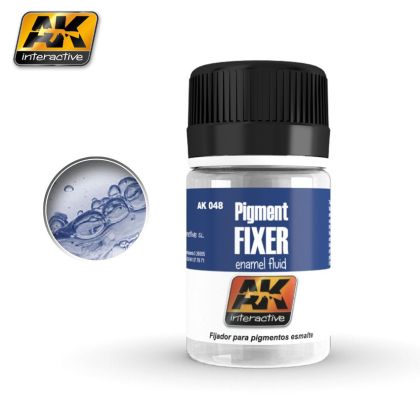
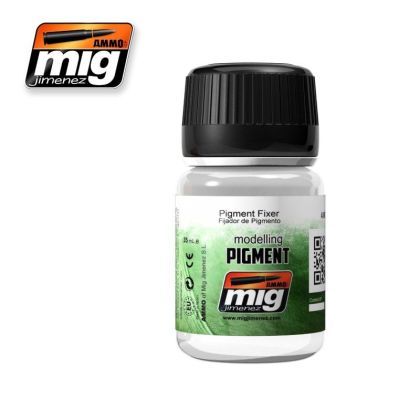
Unfixed pigment comes off on fingers. A dedicated fixer or a light mist of thinner locks it down, but both darken the colour noticeably, so always go one step lighter than the final tone you want. Related options are in the fixers and marker section, and if you would rather avoid loose powder altogether, aqua pigments arrive ready-suspended in a water-based medium.
Two or three thin pigment passes with a fix between them give depth; one heavy application looks like chalk. Vary the tone slightly between layers — a lighter dust over a darker earth reads as accumulated dirt rather than as a single coat of powder.
For how pigments fit into the wider sequence, see weathering products.