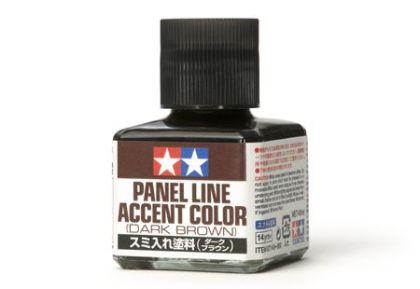
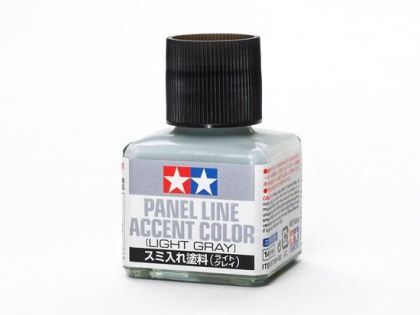
A wash is a very thin, heavily thinned colour whose job is to go somewhere you could never brush it: into engraved panel lines, around rivet heads, under a cowling lip, into the corner between two plates. Capillary action does the placing. You flood the area, let the fluid find the recesses, then remove everything that stayed on the flat surface.
That removal step is what separates a wash from a filter or a stain, and it is also where most washes go wrong. Below: how to choose between enamel and acrylic versions, how to get a clean wipe, and when a pin wash beats flooding a whole panel.
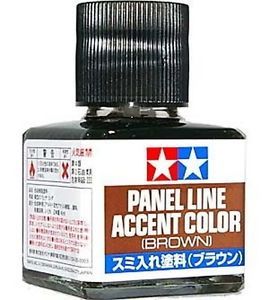
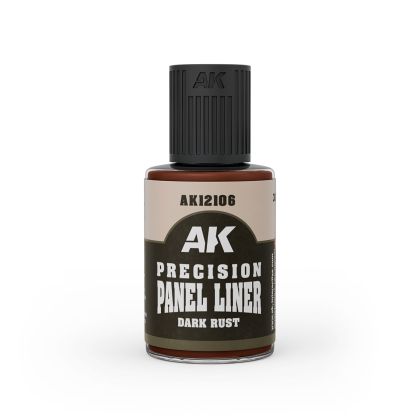
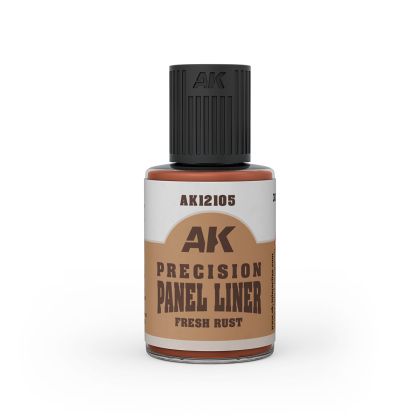
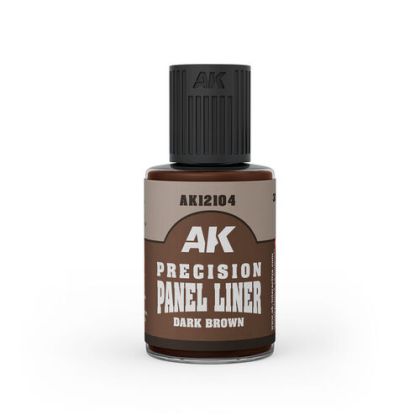
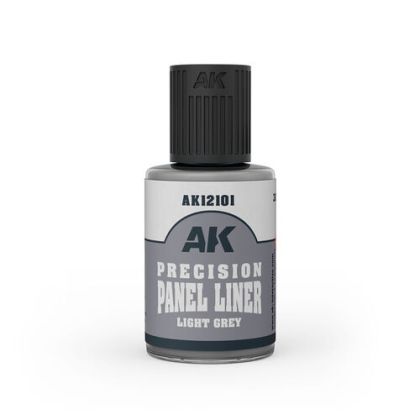
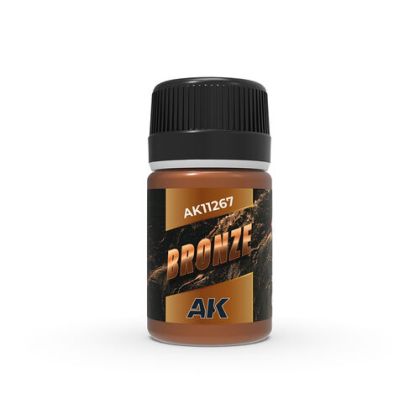
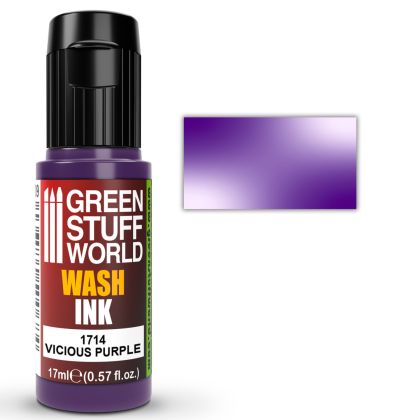
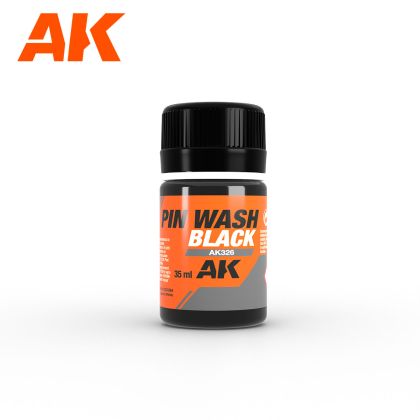
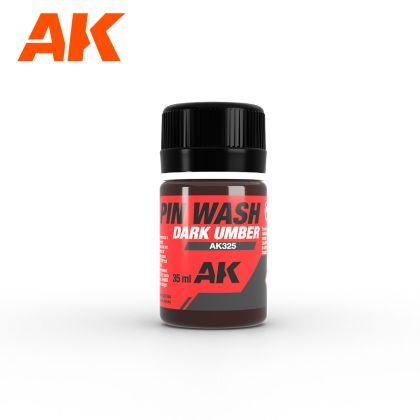
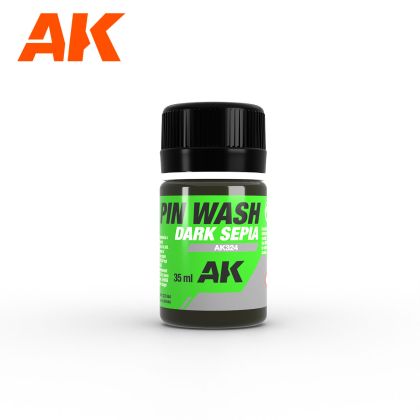
Enamel panel line washes in neutral greys, browns, sepia and rust tones; acrylic shade washes intended for figures and fantasy subjects, including strongly coloured inks; pre-thinned pin washes in small bottles with a fine applicator; and dedicated panel liners with a very low surface tension that run a long way from a single touch.
Enamel washes stay workable for a long time and can be moved or removed with odourless thinner hours later, which makes them forgiving on large panelled surfaces. Acrylic washes dry quickly and are cleaned with water, which suits figures and small-scale subjects where you want the result locked down immediately and no risk to the paint underneath.
Flooding a panel and wiping back gives an even, slightly grubby surface and suits a whole fuselage or hull side. A pin wash — a single loaded touch at one end of a line, letting it run — keeps the flat areas completely clean and is the better method on gloss finishes and modern subjects.
Black in a panel line looks like a drawn pencil mark. Pick a wash two or three steps darker than the base rather than the darkest available: a warm brown on sand, a cool grey-brown on grey, sepia on wood and leather. On figures, a wash from the same family as the base keeps the skin or cloth looking like one material.
A wash on a matt surface stains everywhere it touches. A gloss or satin layer from varnishes and clear coats gives the fluid a slick surface to run across, so it collects where you want it and wipes off where you do not.
Use a cotton bud or a soft cloth damp with thinner and work along the airflow or the plating direction, never in circles. The faint residue left behind in the direction of travel is a bonus effect, not a mistake. Cotton swabs in a flat or triangular shape reach into corners a cloth cannot.
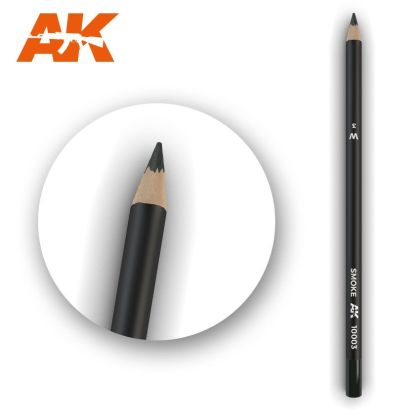
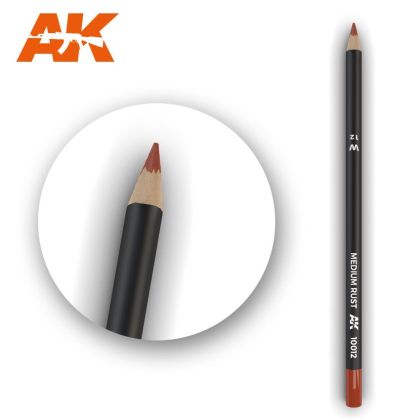
All effect types are listed in weathering products.