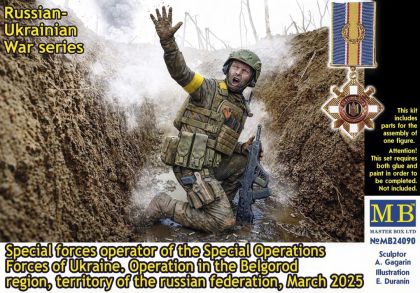
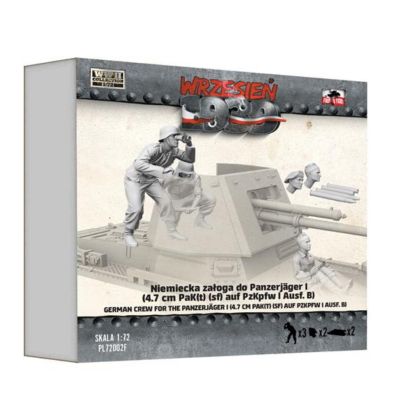
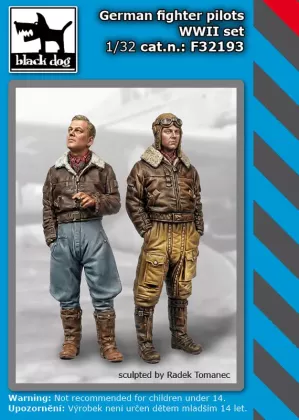
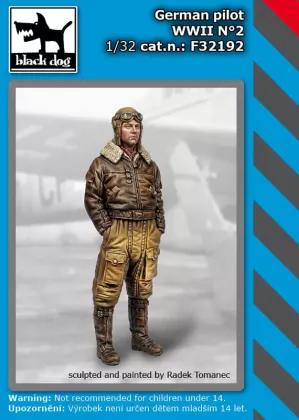
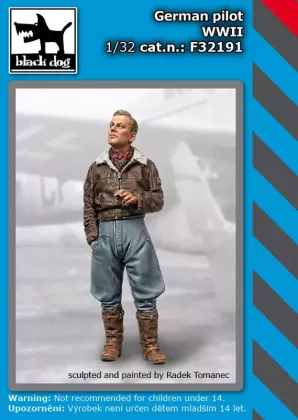
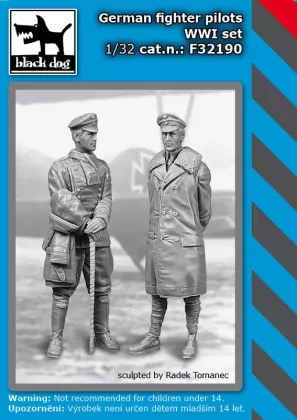
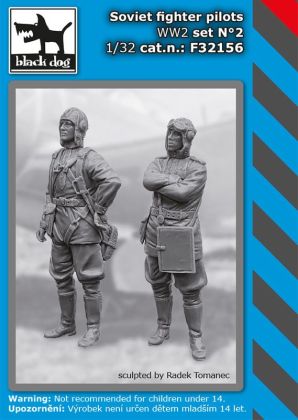
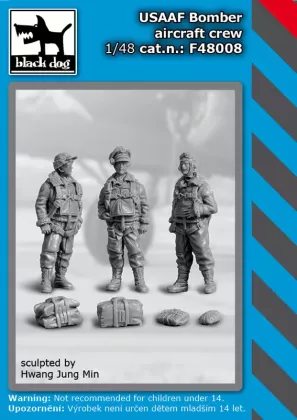
Model figures are the difference between a finished kit and a scene. A tank commander leaning out of a hatch, a mechanic crouched under a wing or a line of sailors along a deck give the machine beside them a human measure, and the viewer suddenly understands how big it really is.
This branch covers crews, infantry and civilians in ratio scales from 1:350 up to 1:6, wargaming regiments built to the 28 mm standard, large display figures from 54 mm upwards and resin busts for modellers who want to concentrate on the face alone. Figure modelling uses two different sizing systems side by side, and the guide below explains how to read both before you commit to a set.
A figure is the smallest actor in the workshop. Sets arrive as plastic sprues, resin castings or finely printed parts, and each one needs cleaning up, assembling and painting before it earns its place. Painting faces and uniforms is the discipline figure modellers spend a lifetime improving, which is why this branch runs from boxes of forty infantrymen to single pieces built around one expression.
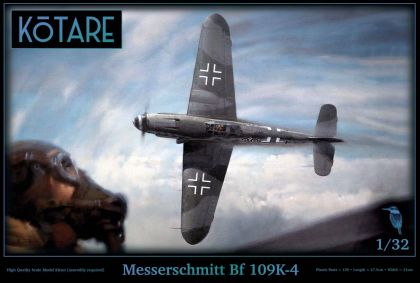
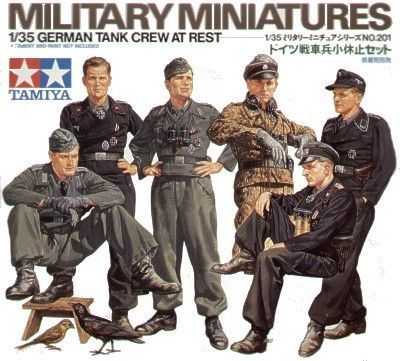
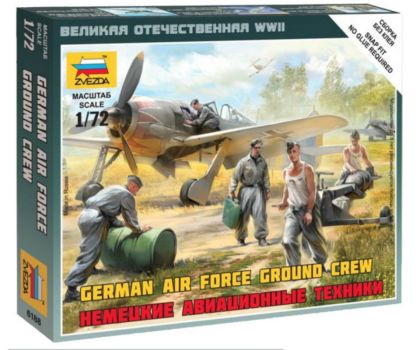
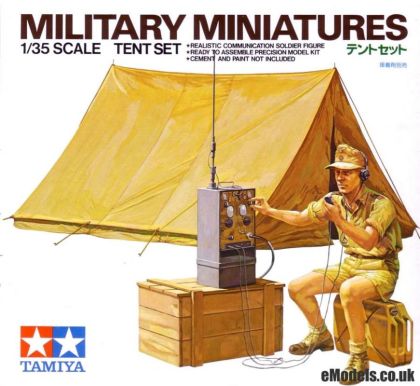
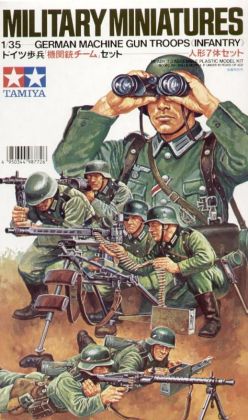
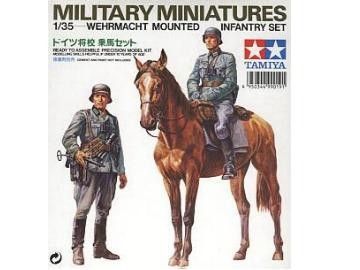
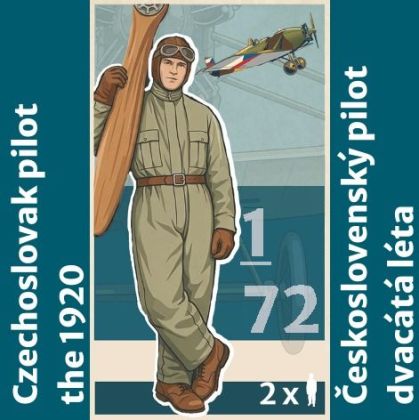
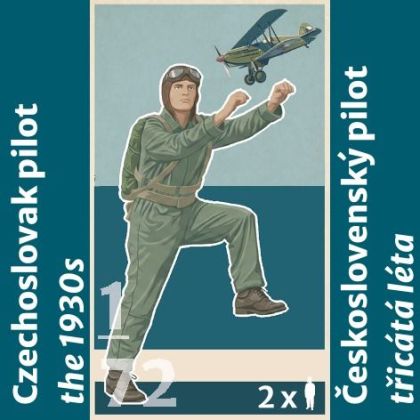
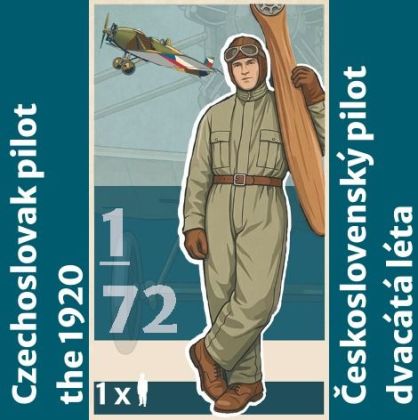
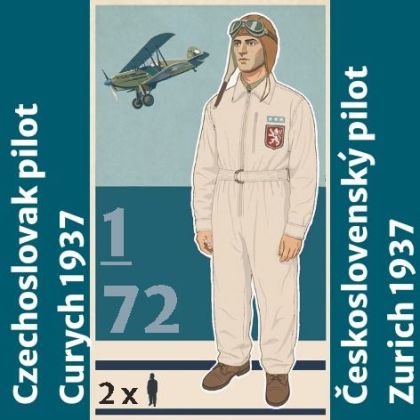
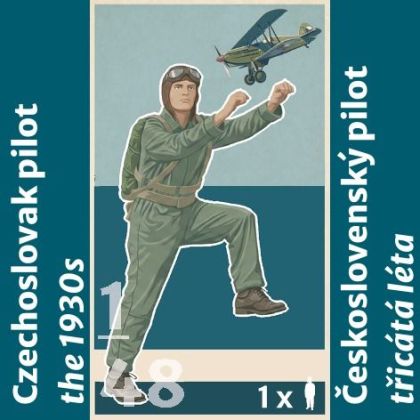
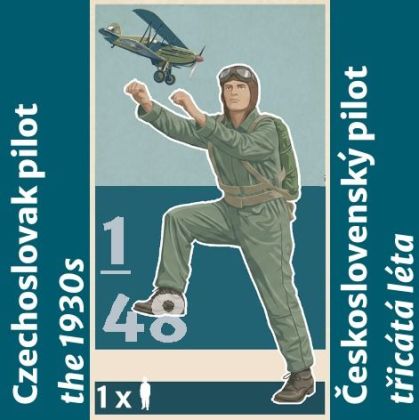
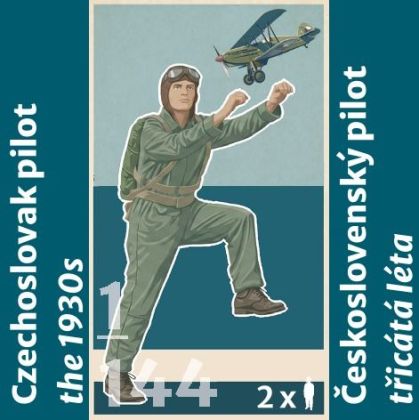
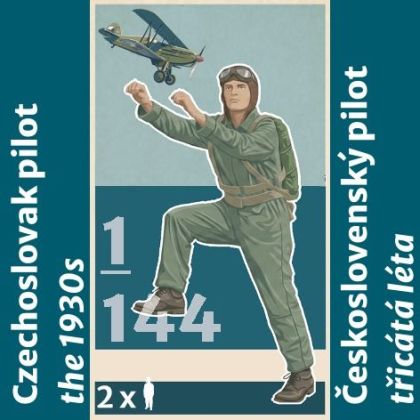
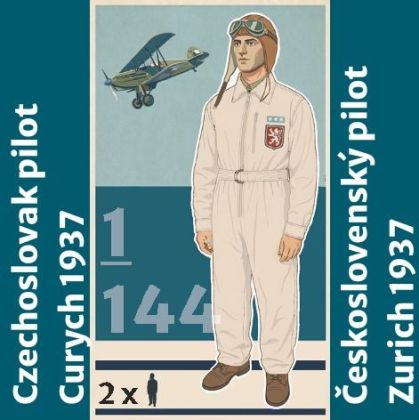
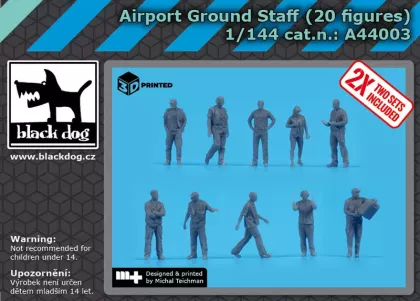
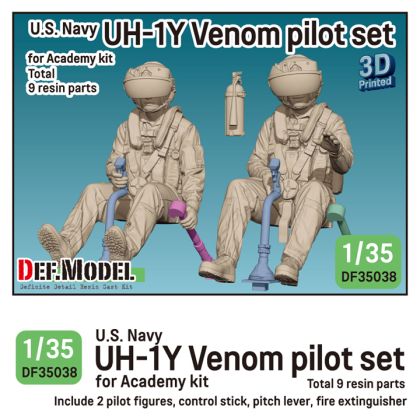
A figure marked 1:35 is reduced by the same ratio as a vehicle kit, so it drops straight into a diorama with armour of the same scale. The widest choice of crews and infantry sits in 1:35 model figures, the natural partner for 1:35 military vehicle kits. Aviation scenes are served by 1:48 model figures, while mass battle scenes work best with 1:72 and 1:76 model figures, where a single box can hold forty bodies.
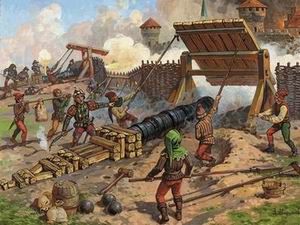
Standalone figures are usually described by height in millimetres instead of a reduction ratio, a convention inherited from wargaming and collectors' figures. 28 mm model figures are the tabletop standard and sell in regiment-sized boxes; from 54 mm upwards the figure becomes a soloist, and 54 mm model figures hold the classics of that tradition. The systems overlap rather than compete, since 28 mm corresponds roughly to 1:56 and 54 mm to about 1:32.
Injected plastic sets are forgiving and suit early attempts. Resin and printed figures carry sharper faces and crisper folds, but they want washing, cyanoacrylate glue and a steadier hand. Model figure busts push that furthest, reducing the subject to head and shoulders so the portrait has to carry everything.
Rank insignia, awards and even irises can be applied as printed film instead of painted freehand; model figure decals show how many hours that saves.