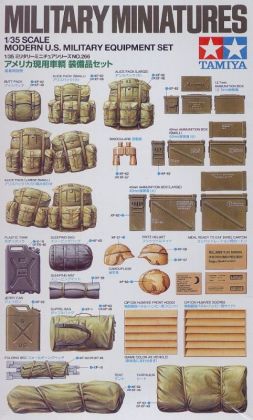
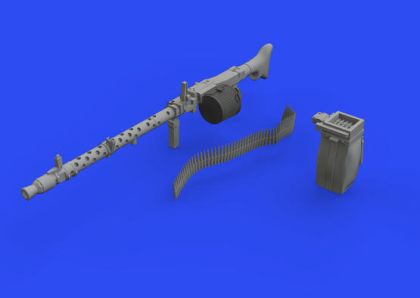
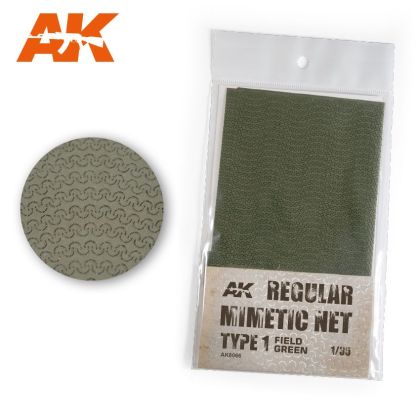
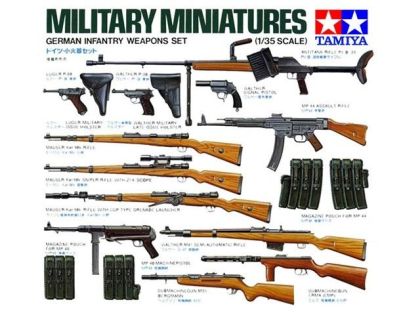
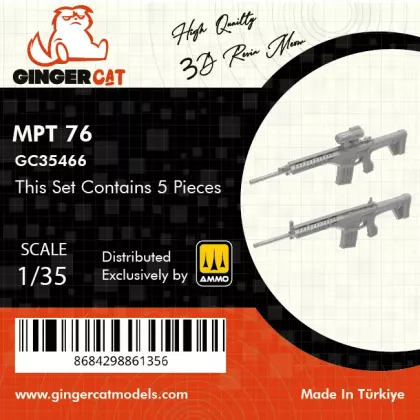
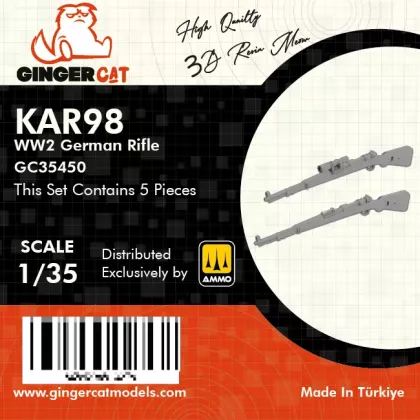
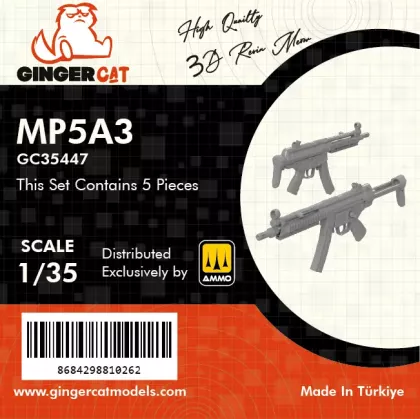
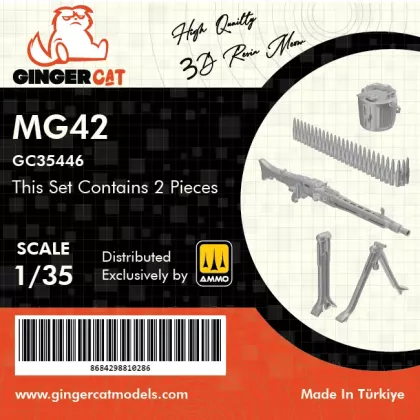
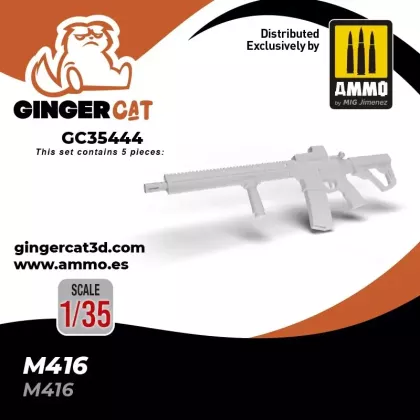
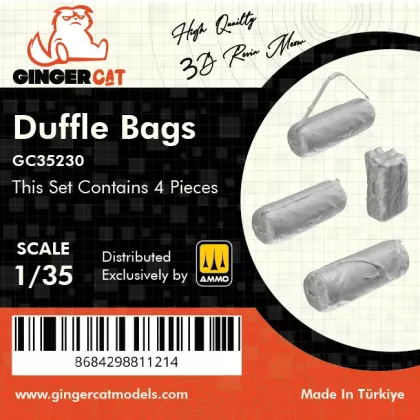
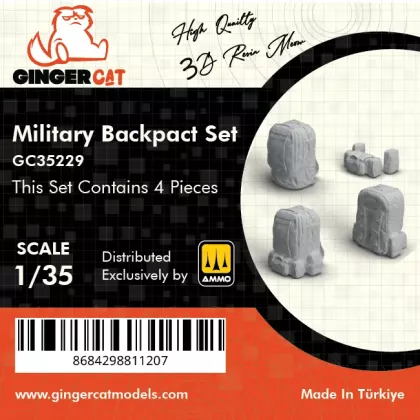
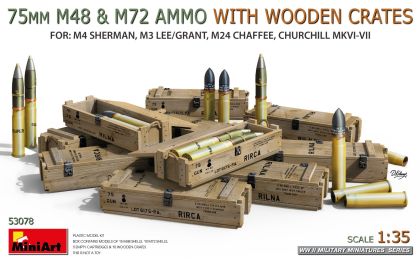
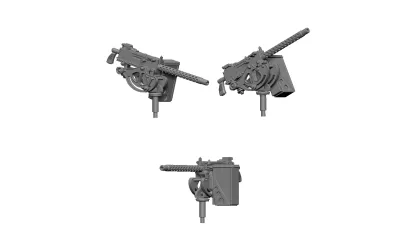
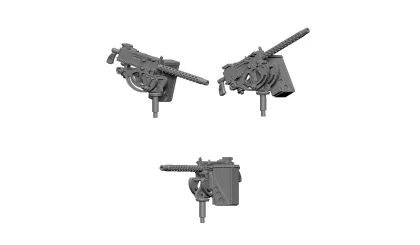
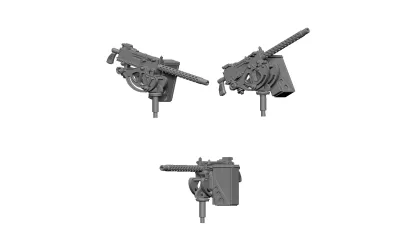
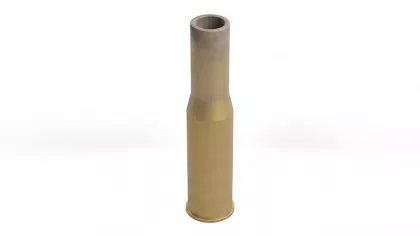
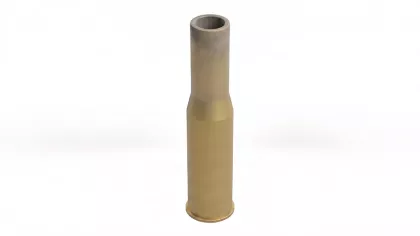
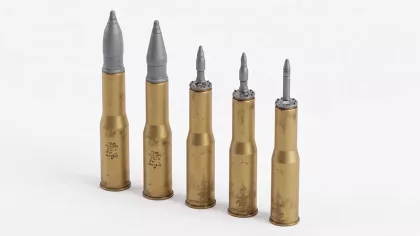
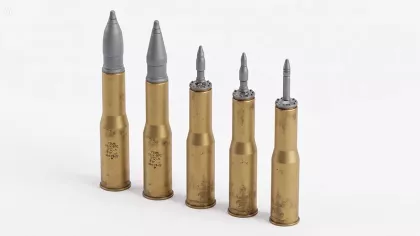
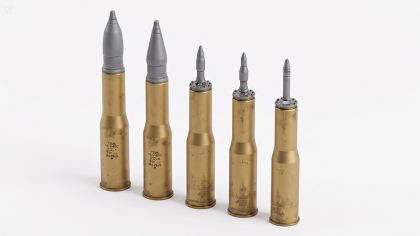
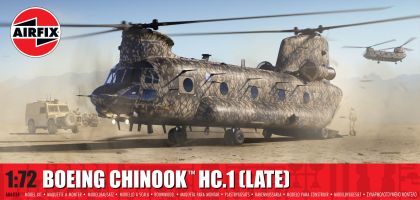
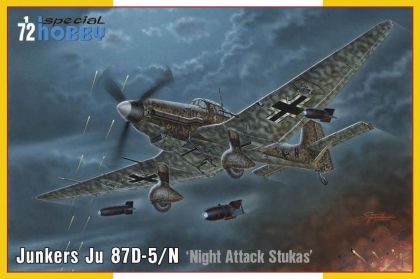
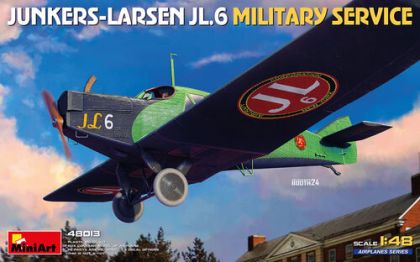
Accessories for military vehicle models are what turn a carefully built tank into a scene with a story. Ammunition crates stacked by the rear plate, jerrycans on a mudguard, a rolled tarpaulin and a few sandbags say more about the crew than any caption could. This section gathers resin and 3D printed field equipment in sizes from 1:72 to 1:16, sorted into clear type listings. Below: how to match scale, army and period, and which material asks for which glue.
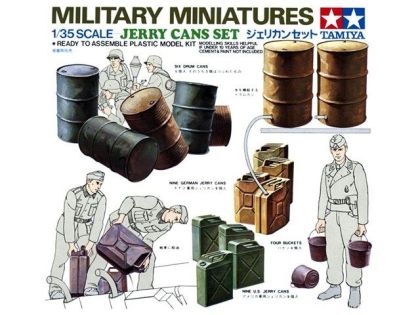
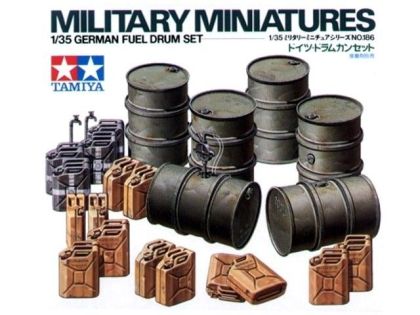
A military vehicle kit normally contains only what belongs to the machine itself. The moment you set that model on a base, however, the surroundings start to carry as much weight as the vehicle does. The items in this section are what makes a scene credible: ammunition in wooden crates, drums of fuel, hessian sacks in a gun pit, packs thrown across the engine deck. Most pieces are cast in resin or 3D printed, which gives markedly finer detail than injection-moulded styrene can manage.
The basic rule: buy the accessory in the same size as the model it belongs to. A 1:48 jerrycan beside a 1:35 tank gives the game away instantly. Coverage is traditionally deepest for 1:35 military model kits, with solid support for 1:48 military model kits and 1:72 military model kits as well.
A German jerrycan of 1938, American ration cartons and modern plastic drums each belong to a different scene. Watch the set description: titles normally state the army and the era, so a wartime diorama need not be spoiled by present-day equipment.
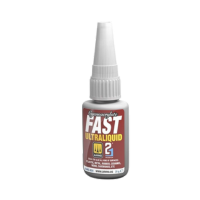
Resin castings need only a wash in warm soapy water to shift the release agent, then cutting from the block and gluing with cyanoacrylate. 3D printed parts are usually finer still and handled the same way. Start with larger items such as drums and crates; leave the buckles on stowage until your hand is steady.
A finished scene comes alive with model figures in the matching size, and patina ties it together: weathering products give vehicle and crates their service marks, while weathering pigments let you dust an entire base in one shade of earth.