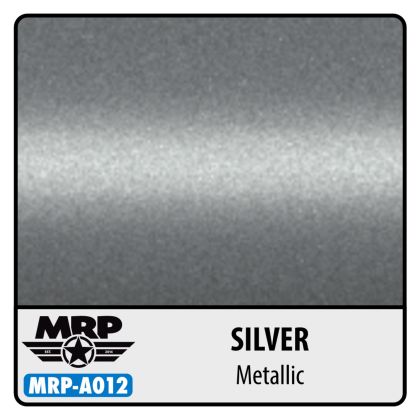
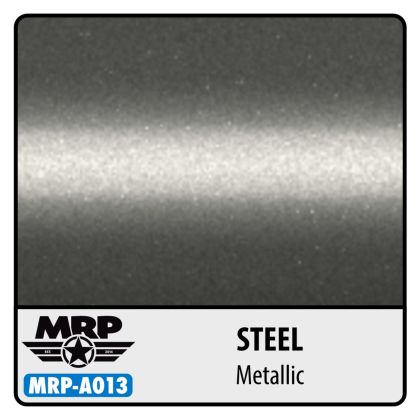
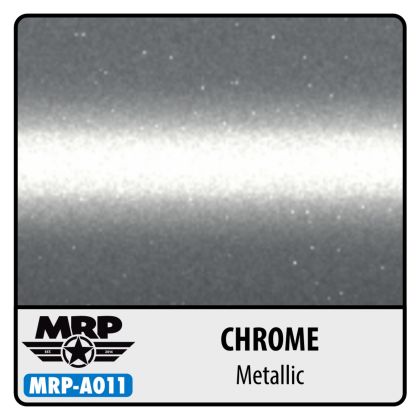
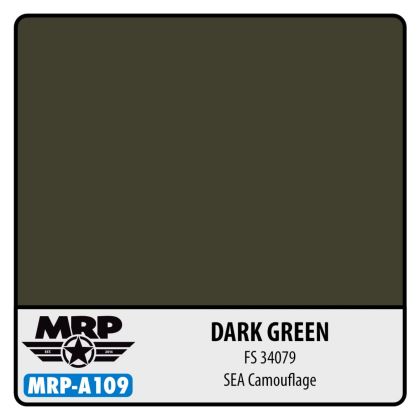
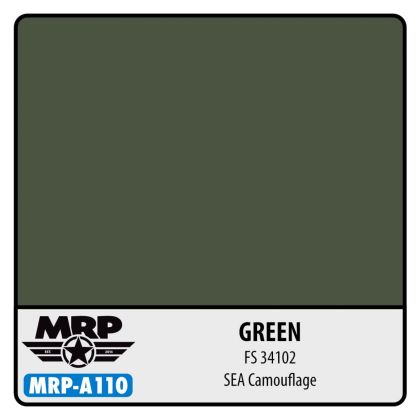
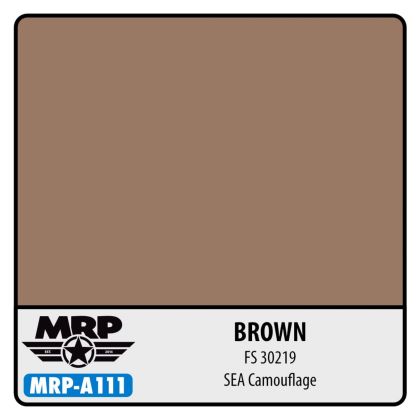
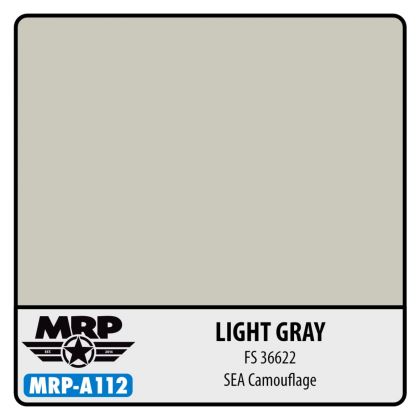
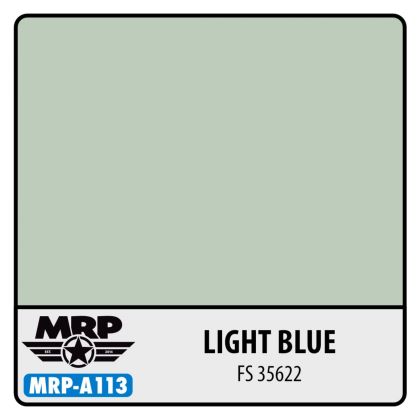
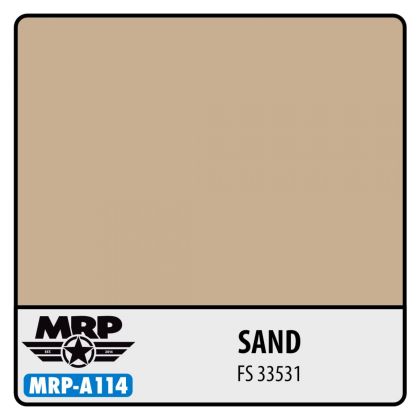
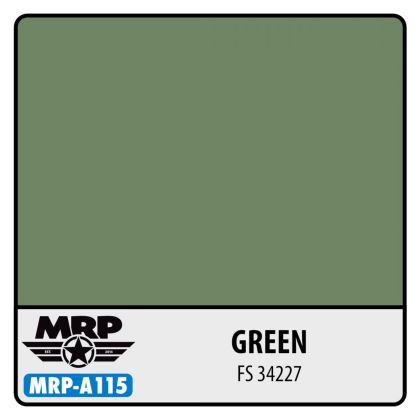
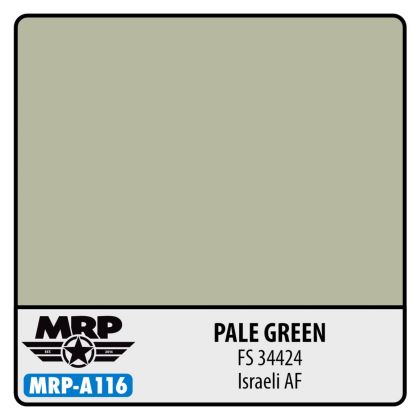
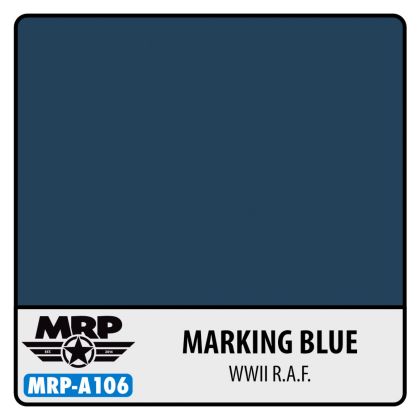
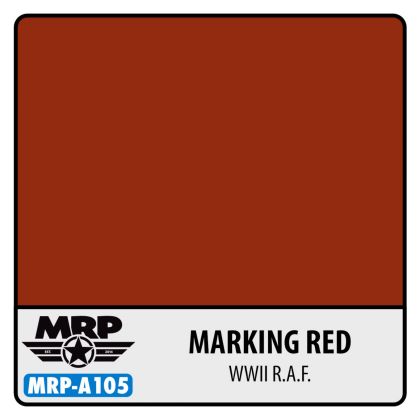
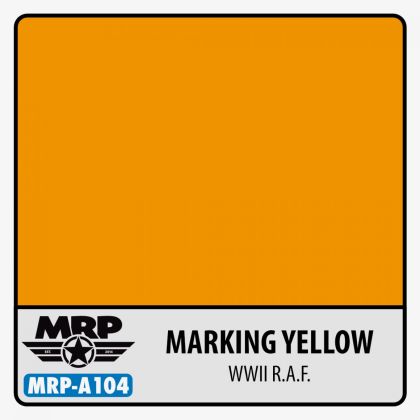
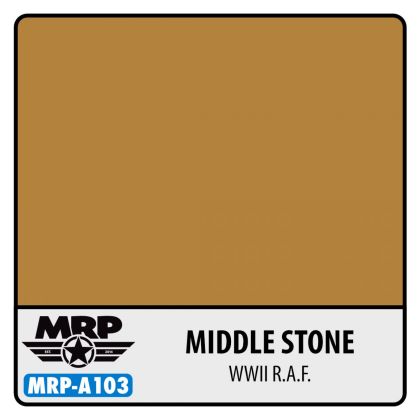
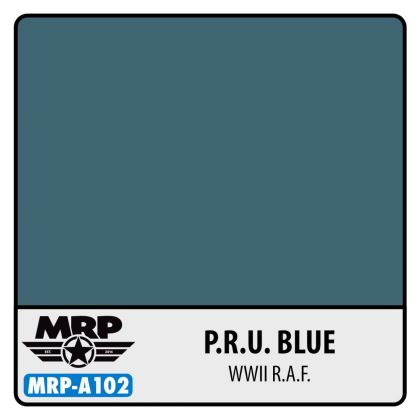
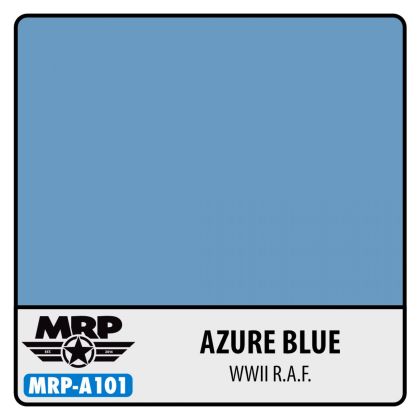
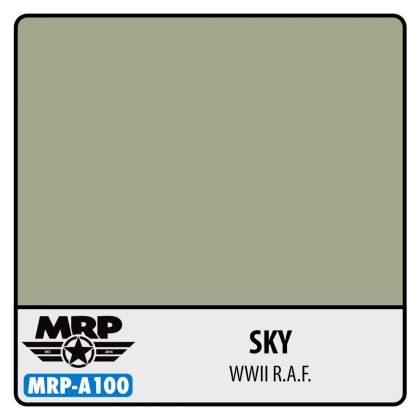
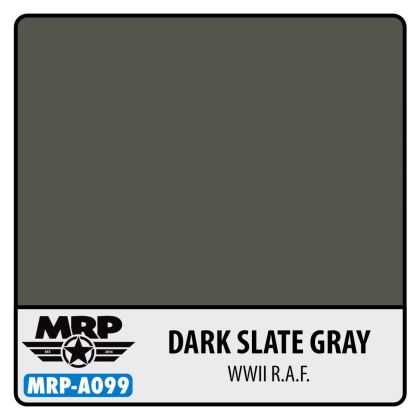
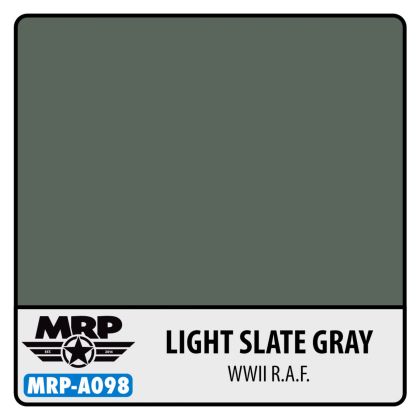
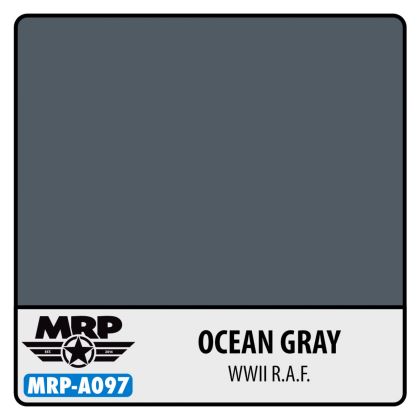
Aqua is the water-thinnable Mr.Paint line, aimed squarely at aircraft subjects. The shades carry standard references, so they can be found straight from a code in the kit instructions, and they cover camouflage tones, desert and maritime variants, and separate colours for insignia and lettering.
Because it thins with water, there is no aggressive solvent on the bench and no need to ventilate the room as thoroughly as a lacquer demands. The trade-off is a softer cured film, which changes how you plan masking. Both sides of that bargain, and the insignia colours, are covered below.
Two things that pull against each other. The gain is easy cleaning and a lighter load on the room: tools and gun wash out in water while the paint is still wet, and nothing lingers over the table. The loss is that a water-thinnable acrylic cures softer and tolerates masking and handling less well than a lacquer. The answer is to let the coat harden properly and seal it with varnish before any tape goes near it.
The line also includes separate colours for insignia and lettering, which on aircraft models are often sprayed through a mask rather than applied as decals. A sprayed marking has no carrier film edge and sits far better on a matt finish.
The paint is dry to the touch in tens of minutes and hard only after a day. Mask it earlier and it can lift when the tape comes off. Suitable materials are in masking supplies. Press the tape once against the back of your hand first so it loses some of its grip.
Plain water reduces body but also weakens the binder, and the coat then dries unevenly. For spraying, reach for a product from thinners and cleaners intended for acrylic.
Dried water-thinnable acrylic is harder to remove from a gun than from a bottle, because it sets in the narrow channels. Flush immediately after finishing rather than the next day; between two shades a short flush is enough, and at the end of the evening strip and clean the nozzle fully.
The rest of this brand's catalogue is under Mr.Paint model paints.