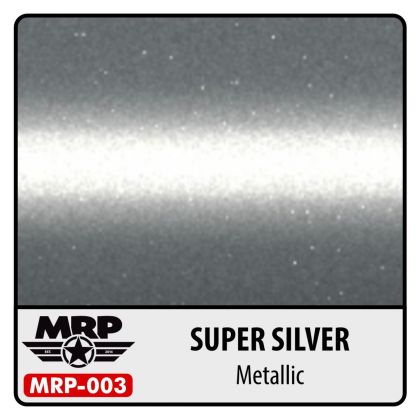
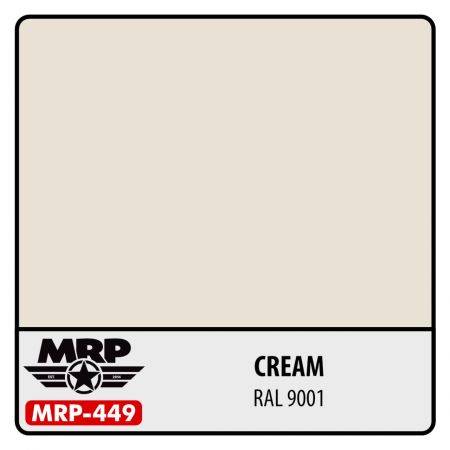
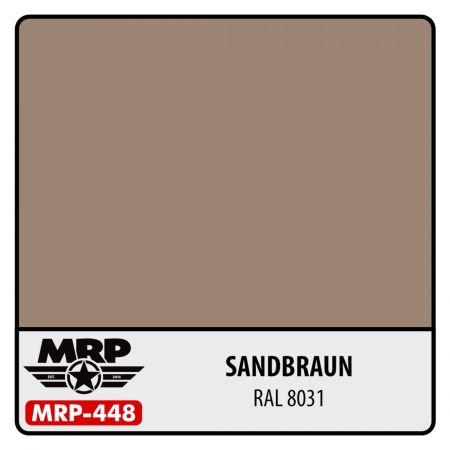
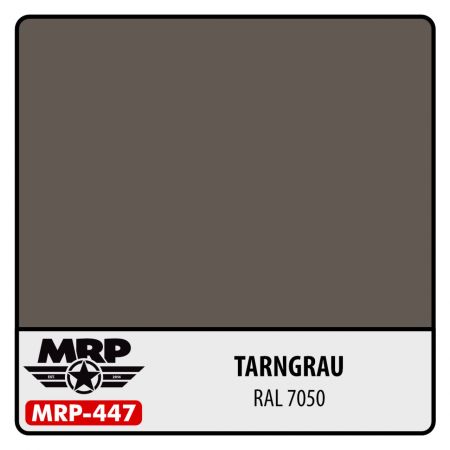
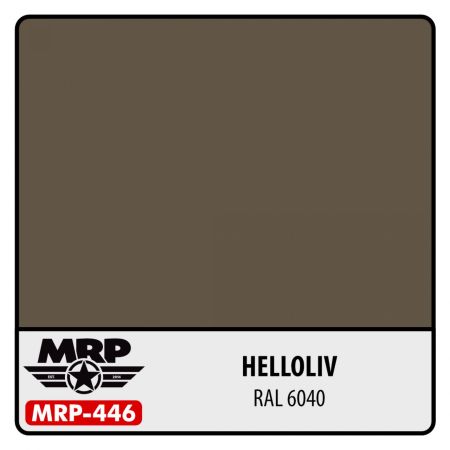
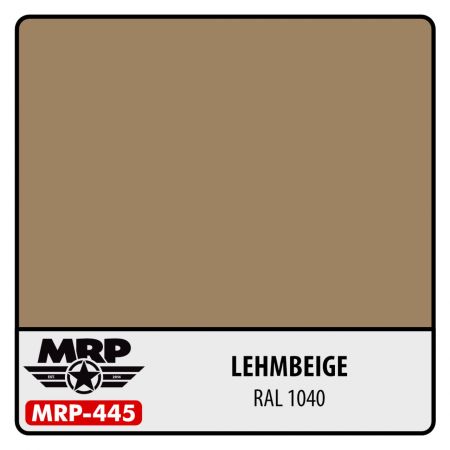
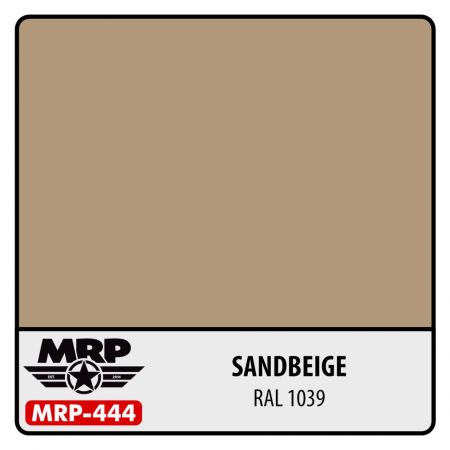
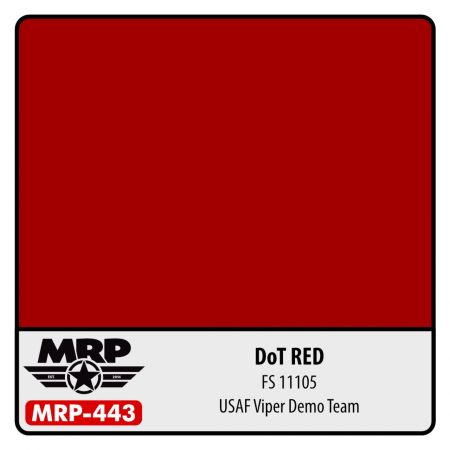
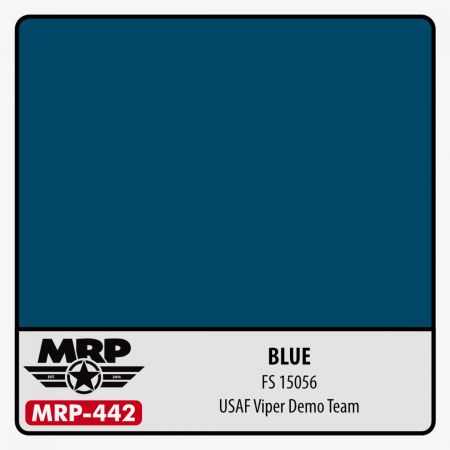
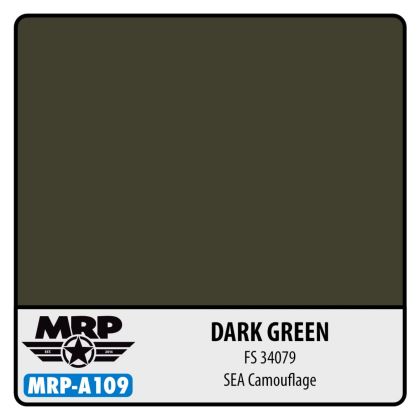
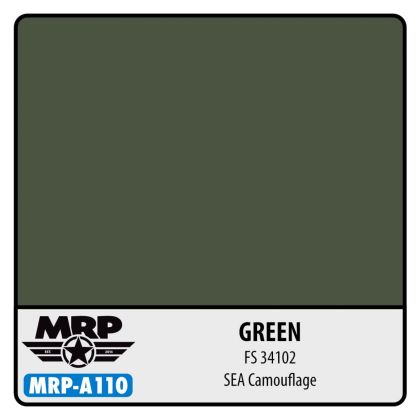
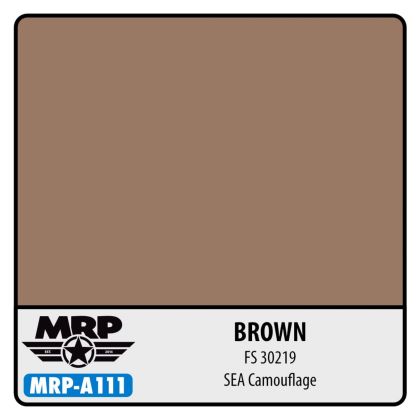
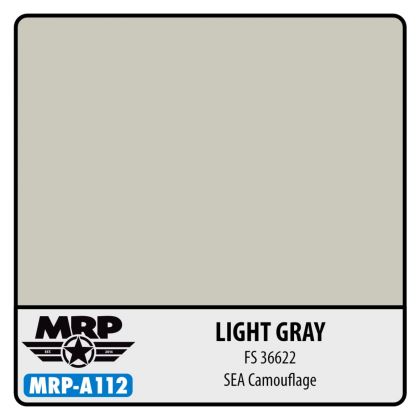
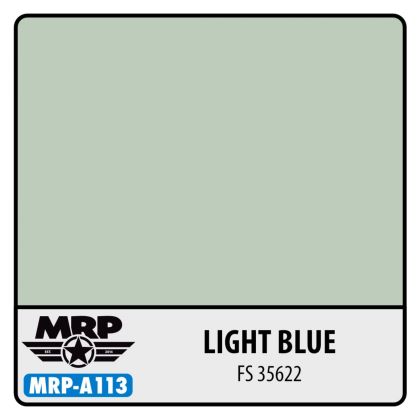
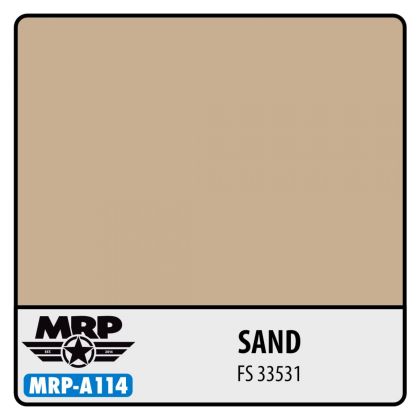
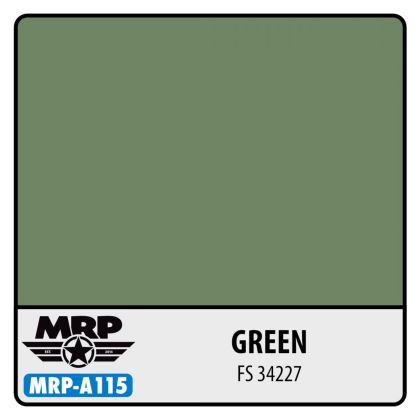
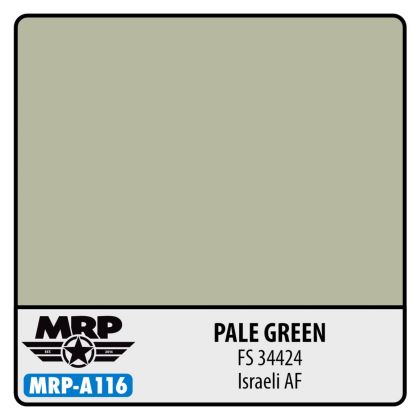
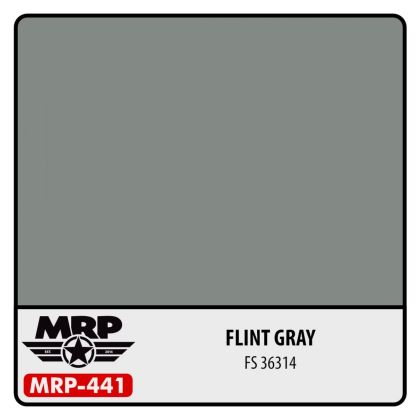
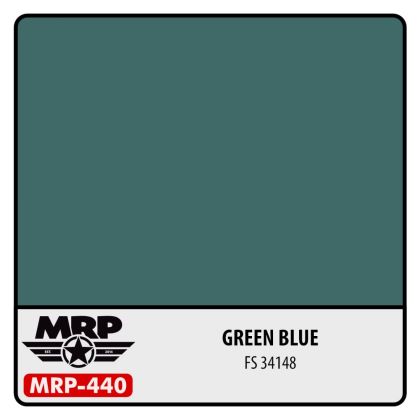
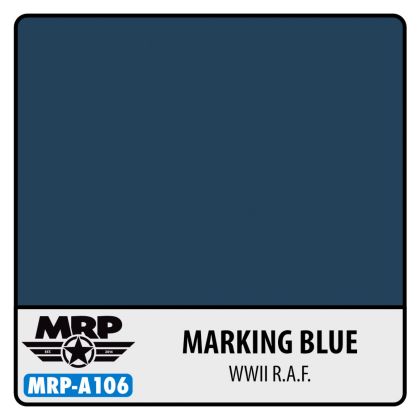
Mr.Paint labels its shades with a code from the American FS standard instead of an invented name. That means you can take a colour straight out of a monograph or a kit instruction sheet without test-spraying scraps of sprue to compare. The catalogue holds individual shades as well as complete camouflage schemes, so an aircraft or a vehicle can be finished in colours that genuinely belong together.
The range is built for the gun: fine atomisation, thin coats, smooth surfaces. Below: how to search by code, what the paint wants from your airbrush, and what to have ready before you start if decals and weathering are coming later.
The numbering. When a monograph tells you the undersides were FS 36622, you select that bottle and stop comparing chips. The paints are formulated for spray application, where a thin, finely atomised film is what makes a soft mist and a gradual transition possible in the first place.
The fastest route is to look up the FS code in a publication or the kit instructions. Without documentation, go by the name of the camouflage scheme — the shades of a single scheme are listed as a consecutive numerical group.
These paints are at their best through an airbrush, where they can be laid in translucent coats and individual panels modulated for tone. A brush works for touching in detail, but large smooth surfaces always keep the brush marks.
If decals and weathering are coming, plan the gloss coat and the thinner at the same time as the colour. The whole paint catalogue across types is in model paints, and the acrylic part of it in acrylic model paints.
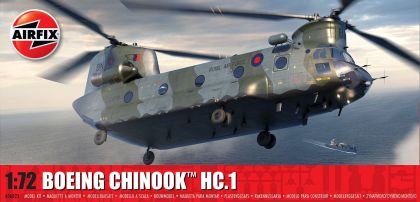
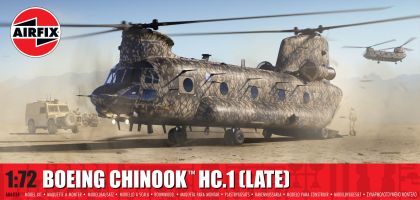
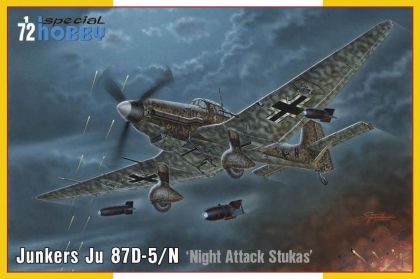
Because most FS codes come from aviation documentation, these bottles usually end up over a kit from aircraft model kits.