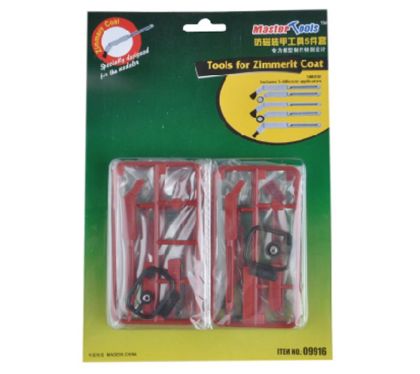
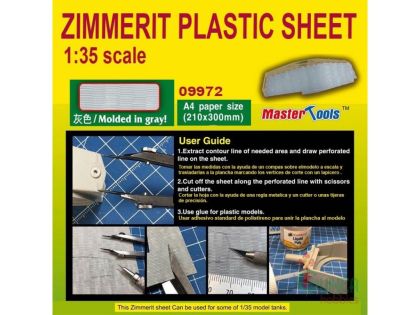
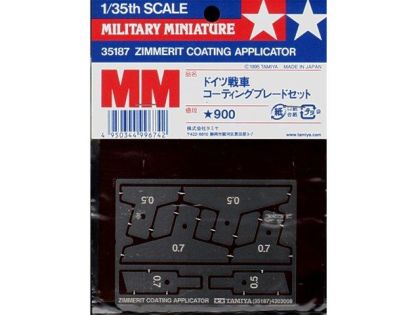
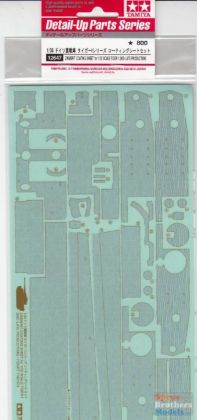
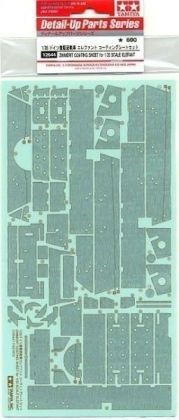
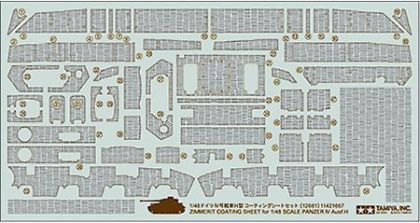
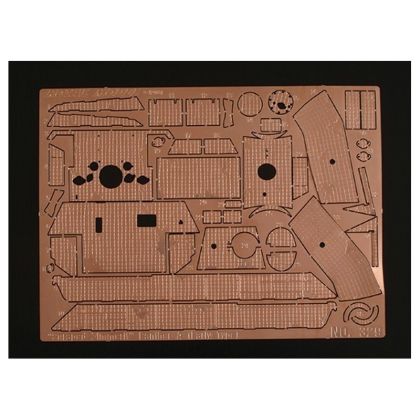
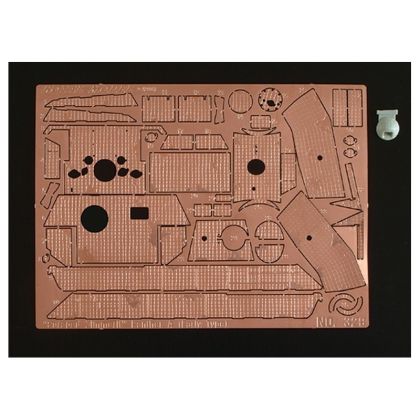
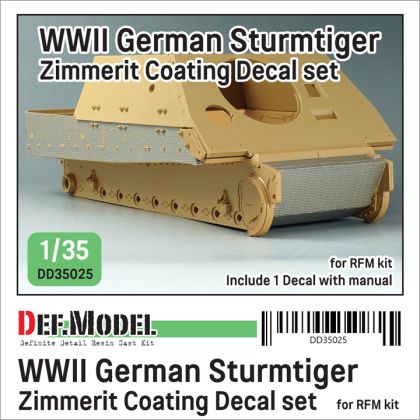
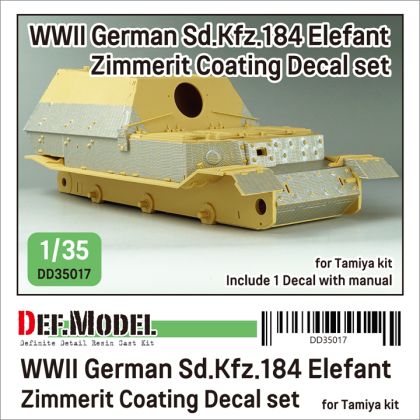
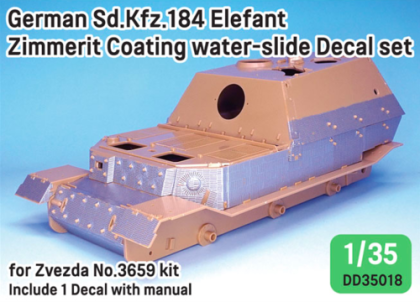
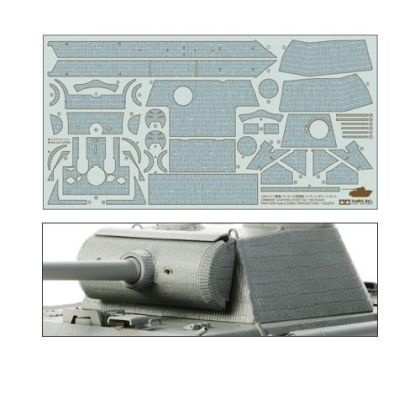
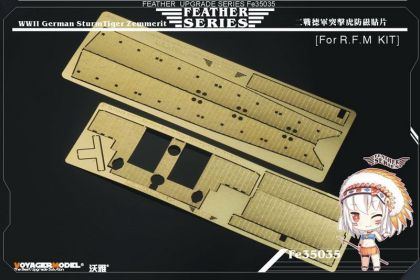
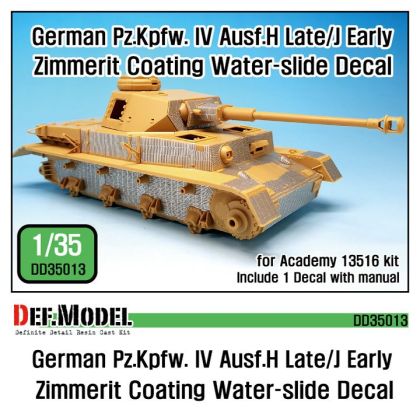
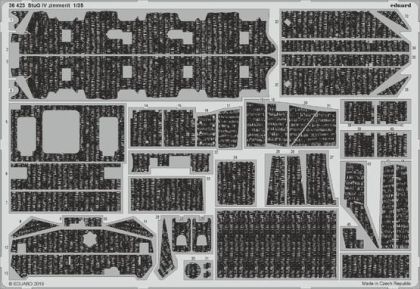
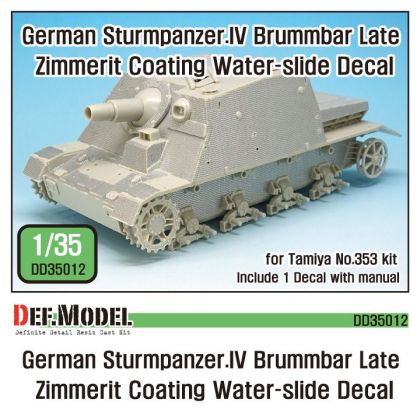
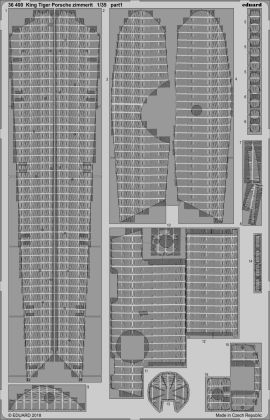
Zimmerit was the anti-magnetic coating of German armour in the Second World War: a ridged paste applied over the armour plate to stop magnetic charges from sticking to it. For a modeller it means the distinctive combed surface of Tigers, Panthers and StuGs built in 1943 and 1944, which most kits do not reproduce. The textured sets in this category transfer it onto the model without hours of scribing into putty, and how to pick the right one is explained below.
From late 1943 German medium and heavy armour left the factories with a layer of paste built mainly around barium sulphate, with sawdust, ochre pigment, zinc sulphide and a polyvinyl acetate binder, combed into ridges or a waffle pattern. The non-magnetic layer increased the standoff from the steel enough that magnetic shaped charges would not hold. Application stopped in September 1944, partly over unfounded fears about flammability, which leaves modellers with a sharply bounded period in which a vehicle must wear Zimmerit, and outside which it must not.
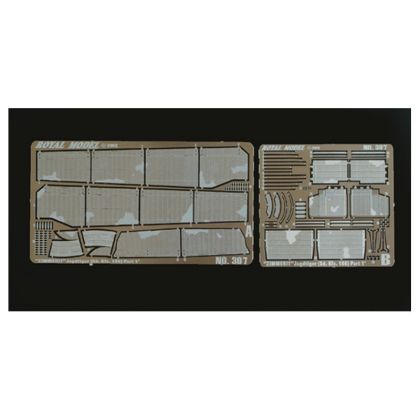
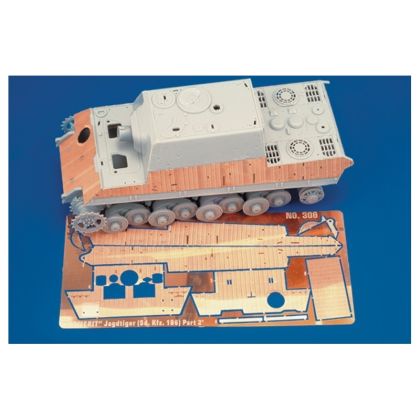
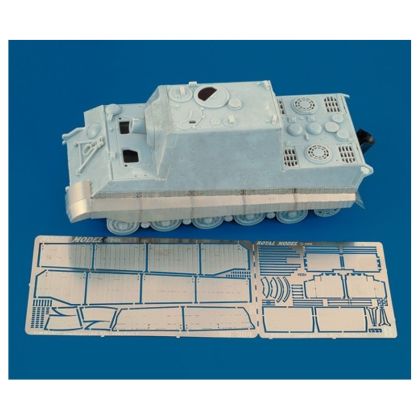
Textured sets are cut to the armour plates of particular kits, so each listing names the tooling it belongs to. Both the pattern and the spacing of the ridges follow the scale, from 1:35 down to small 1:72.
Alongside clean patterns there are versions with combat damage, where the layer has flaked away to bare plate in places. That surface gives weathering an excellent start and makes the vehicle look as though it has come from the front rather than from a parade.
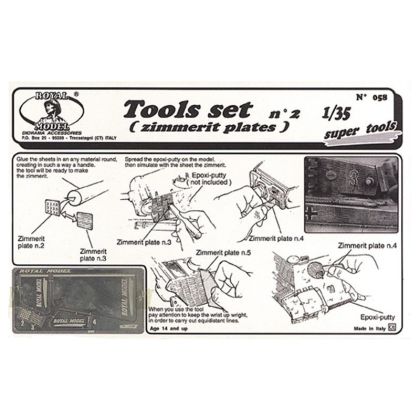
For vehicles no set covers, the classic method remains: a thin layer of two-part putty, combed patiently with a toothed spatula. It is slower, but it works in any scale and on any shape of plate.
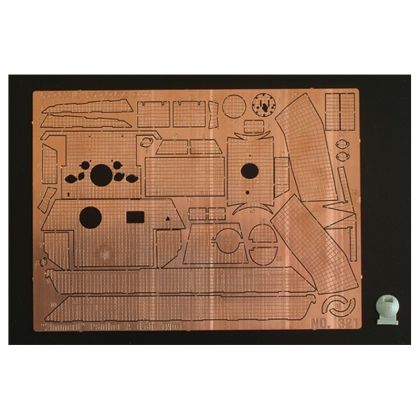
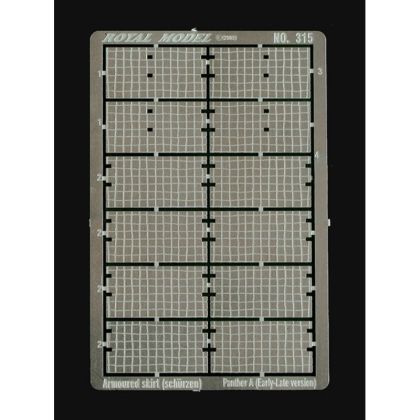
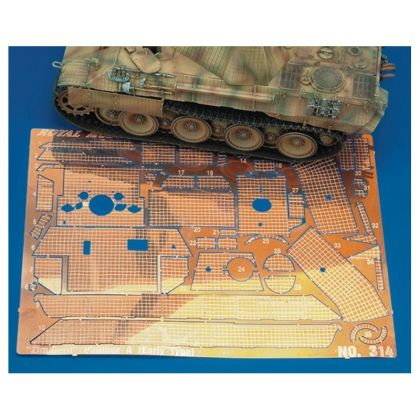
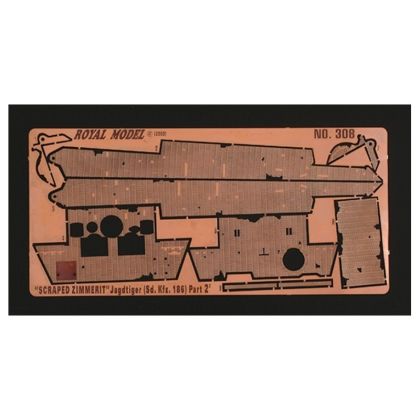
Suitable subjects, from the Tiger to the Jagdpanther, are among 1:35 military vehicle kits, and fine metal detail for them comes from photo-etched parts.