Enamel model paints are built on a synthetic resin binder thinned with white spirit or a dedicated solvent, and that chemistry is the whole reason modellers keep a shelf of them. The paint stays open long enough to level itself, so a brushed wing or a carriage side dries into one smooth film instead of a field of brush marks, and the cured surface is tough enough to survive sanding, decalling and weathering.
The range here covers numbered bottle series for aircraft and armour, shades mixed to published railway standards, car body colours and dedicated interior tones. Below is how to thin them, what to put underneath and what to seal them with.
A solvent-borne resin stays workable for minutes rather than seconds, so the paint flows out and levels itself after the brush has passed. On a wing root or the flat side of a goods wagon that is worth more than any other property, because it gives an even panel without an airbrush. Once cured the film is hard, takes sanding on an edge and tolerates a wash on top. The trade-off is drying time measured in hours and the need for ventilation, since the thinner is an organic solvent.
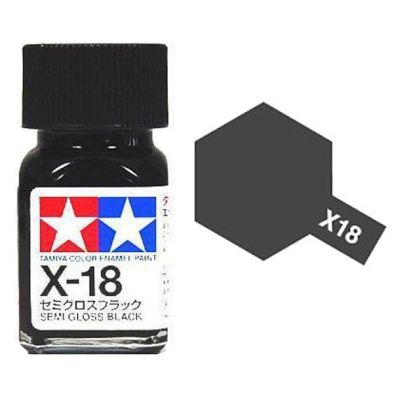
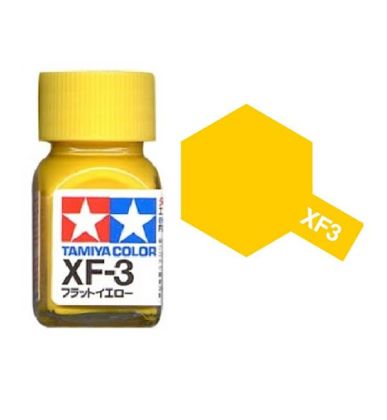
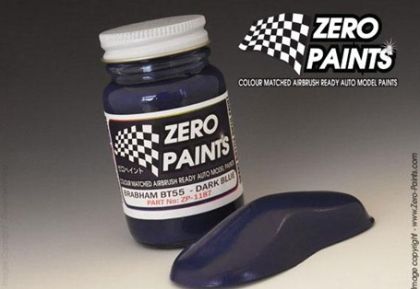
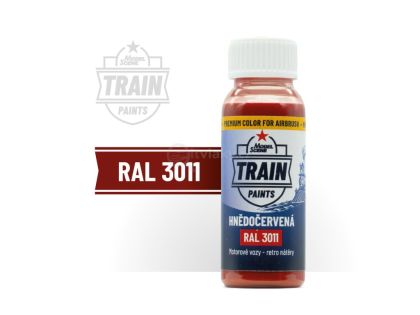
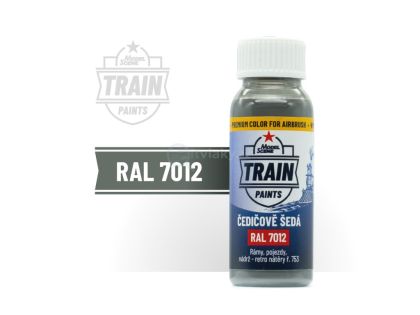
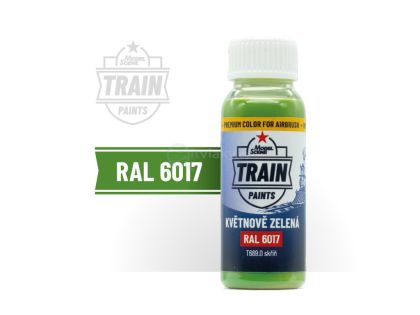
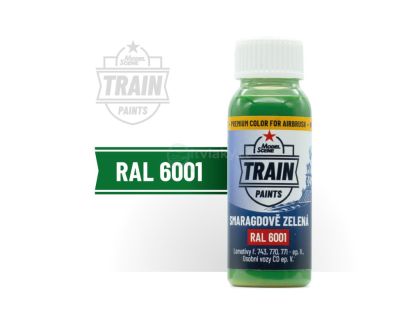
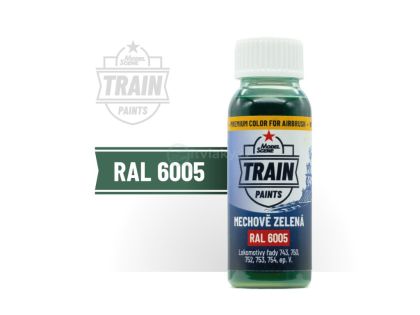
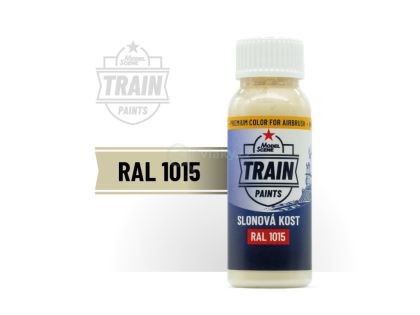
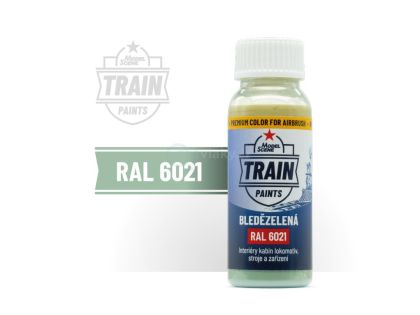
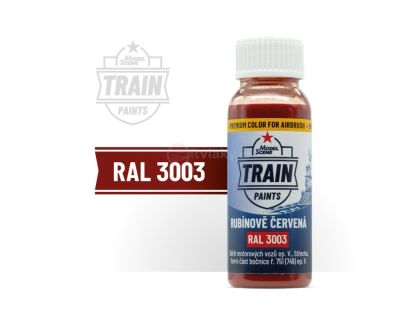
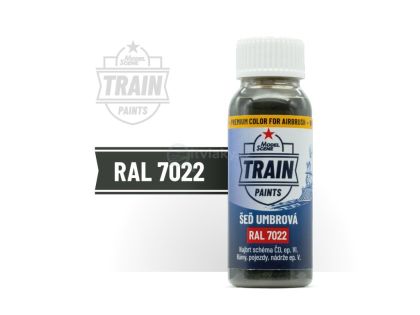
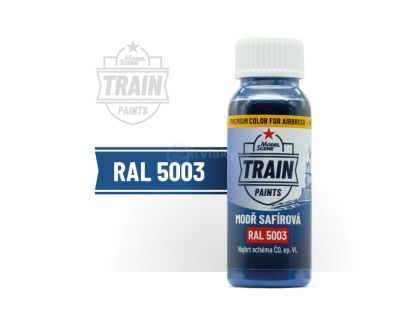
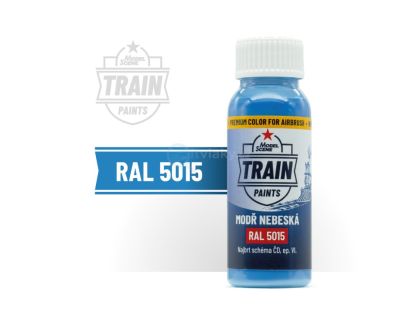
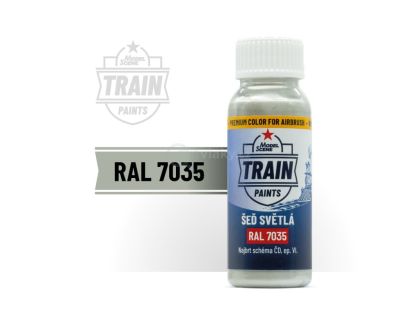
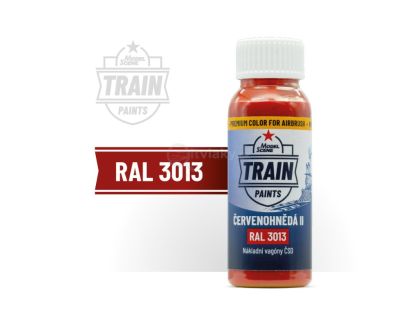
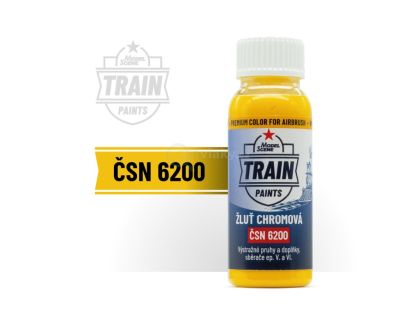
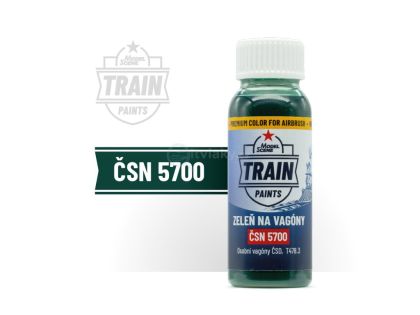
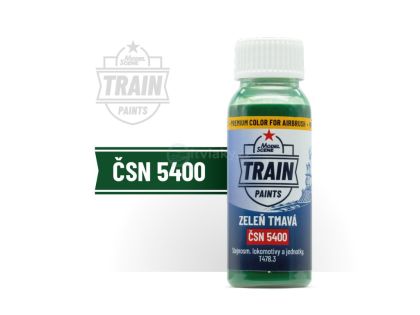
The ranges are grouped by what they were mixed for. Cockpit greys, undersurface tones and armour shades sit in Alclad II Enamel and in the numbered bottles of Tamiya Enamel 10 ml and Revell 14 ml enamels. National camouflage groups, naval greys and figure tones are sorted by era in Model Master. Rolling stock is covered by the standardised shades of MS Train Paints, race car bodywork by Zero Paints.
Sheen is a technical parameter, not decoration. Matt absorbs light and hides minor surface flaws; gloss shows everything but is what a decal needs to bed down without silvering; satin suits interiors and equipment. Pick the sheen for the step that comes next, not for how the model should look at the end.
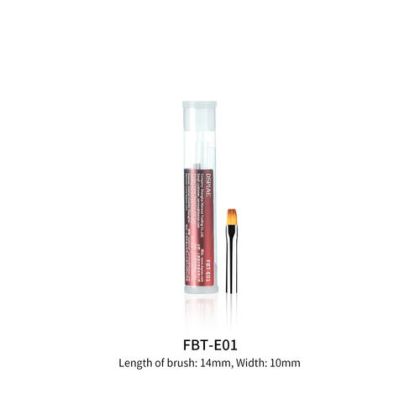
Brushing works straight from the bottle or with a drop of thinner. For spraying, bring the paint down to a freely running consistency and lay several thin passes. Most benches use both: airbrush equipment for large areas, model paint brushes for everything small.
Enamel is one binder among several, and few models are finished with only one. The full picture, from primer through colour to weathering, is in the parent section model paints.