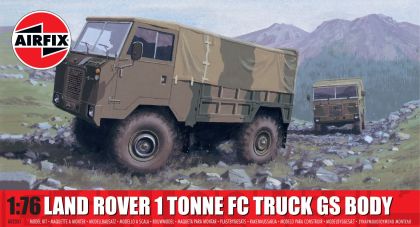
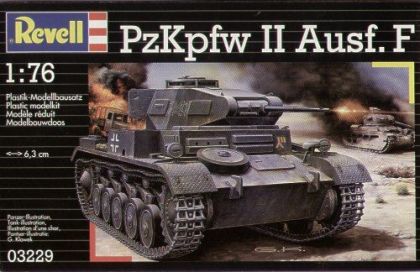
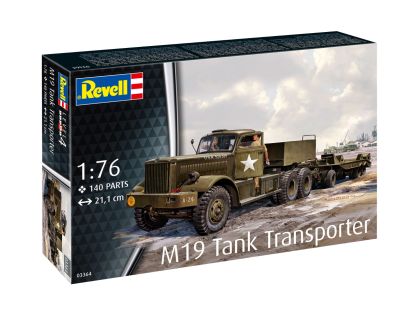
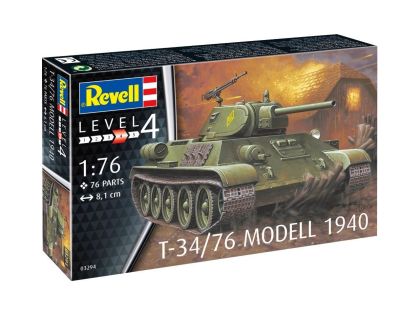
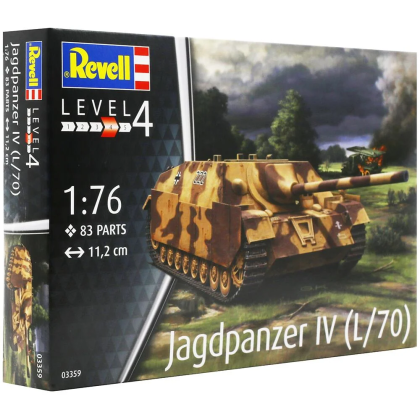
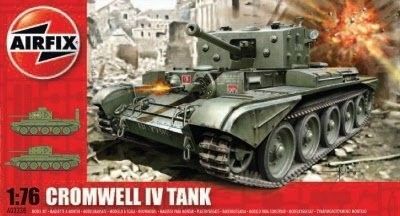
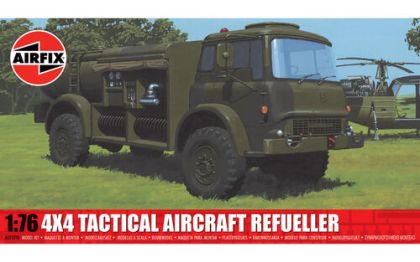
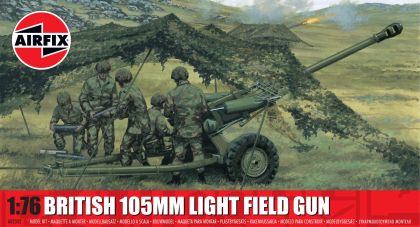
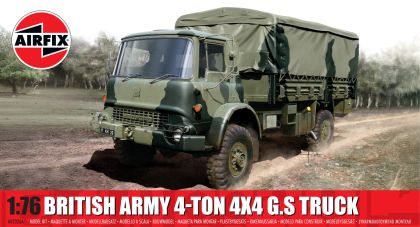
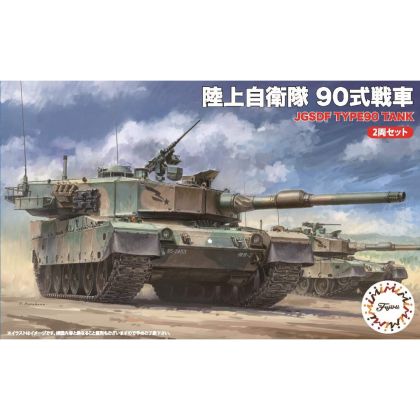
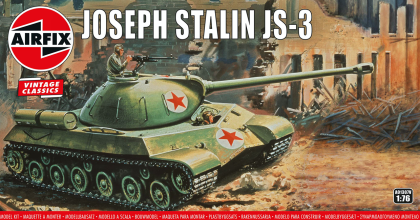
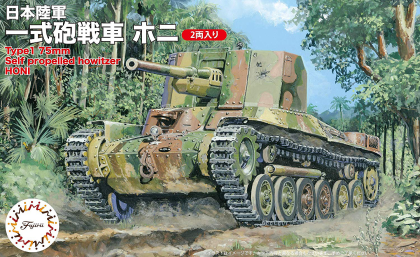
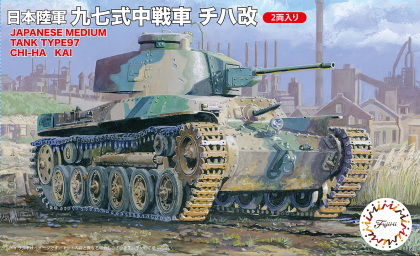
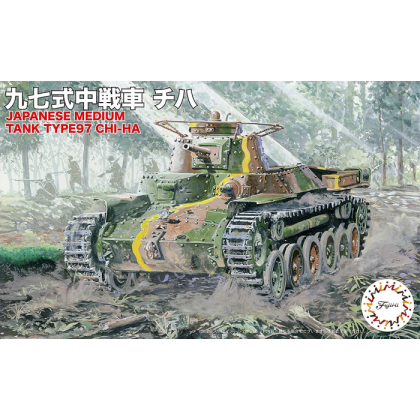
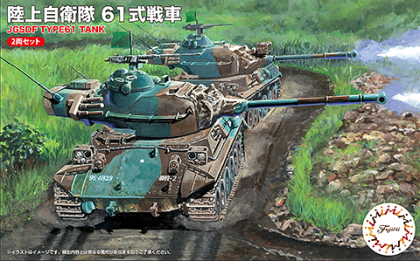
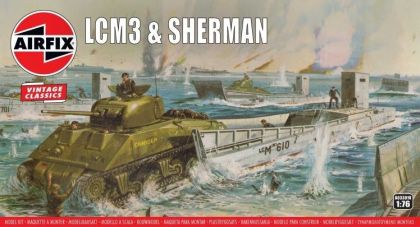
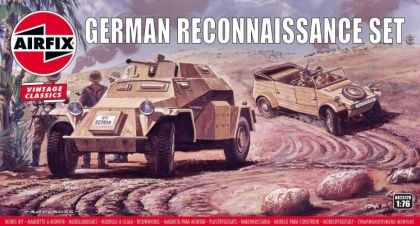
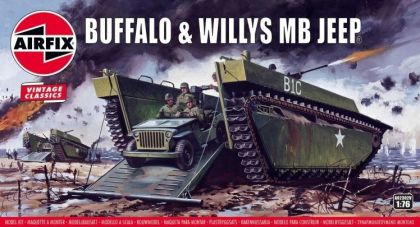
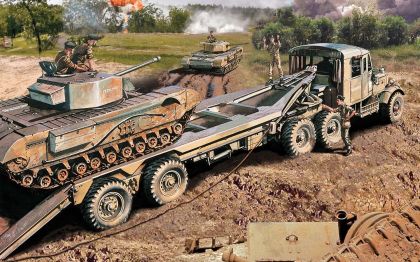
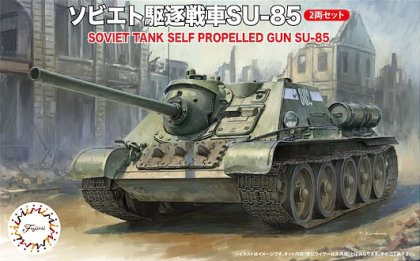
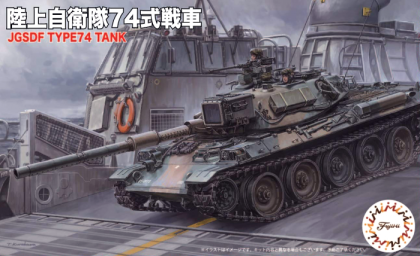
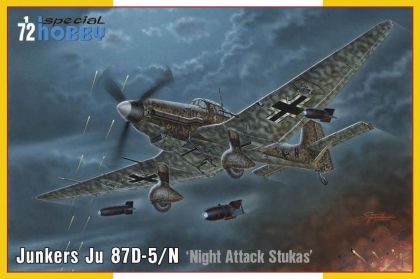
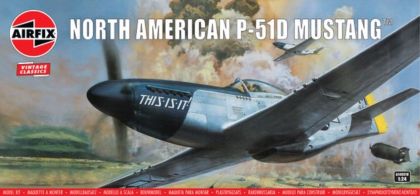
1:76 military model kits represent the British modelling tradition, the size in which generations of small-tank builders grew up. You will find machines from the Second World War through to postwar armies, diorama sets with their own groundwork, and reissues of long-running classic moulds. A tank comes out around seven centimetres long, so a collection fits on a desk rather than taking a wall. Below: where to start, and how 1:76 and 1:72 get along with each other.
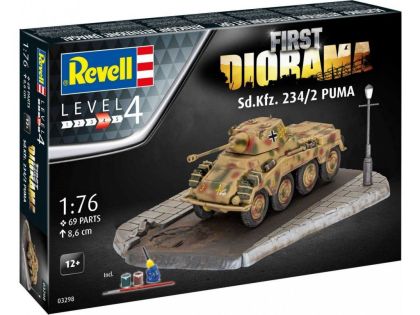
1:76 grew out of the British OO railway standard and still keeps that flavour: German armour is the largest group, with British subjects close behind it — field guns, lorries and tank transporters — and a solid run of Japanese vehicles alongside. Two formats are typical. Diorama sets pair a machine with a terrain base and figures, so a single box turns into a finished scene — more rewarding for a young modeller than a bare vehicle.
Diorama sets bring the groundwork and the figures; you supply the patience. What you finish with is a complete scene rather than a bare vehicle, and that motivates a beginner far more than the best standalone tank.
1:76 is fractionally smaller than the more widely offered 1:72 military model kits. Both look fine side by side in a cabinet, but on a shared base the difference shows, so keep a scene consistent. Pick crews from the combined 1:72 and 1:76 figures listing, which suits either.
Machine guns, mirrors and shovels are a millimetre or two long at this size. A good lamp, decent tweezers and cutting parts free only immediately before gluing will save you crawling across the carpet.
The remaining armour sizes are listed in the military model kits overview.