Vallejo organises its acrylics by how the paint is meant to leave the bottle, which is the most useful way to choose. One line is thick and rich for brushwork, another arrives pre-thinned for the airbrush, and further lines target figures, armour crews, mecha kits and railway stock. Everything thins with water, nothing smells of solvent.
The dropper bottle is worth a sentence of its own. Measuring colour drop by drop means you can write a mix down as a ratio and reproduce it weeks later, which is what separates a repeatable camouflage from a lucky one. Pick the range below that matches your tool, then look for the shade inside it.
Start with the tool, not the colour chart. Thicker lines are built for the hand, thinner ones for the gun; the thematic slant of each palette only matters once that is settled. All of them share an acrylic binder, so they sit happily on one model and mix with each other.
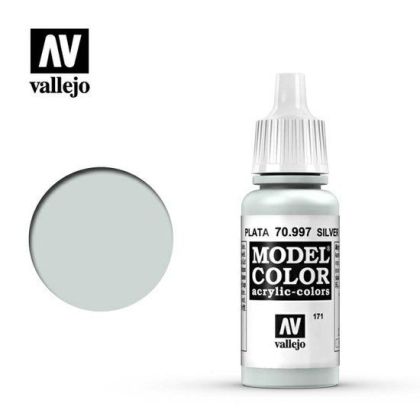
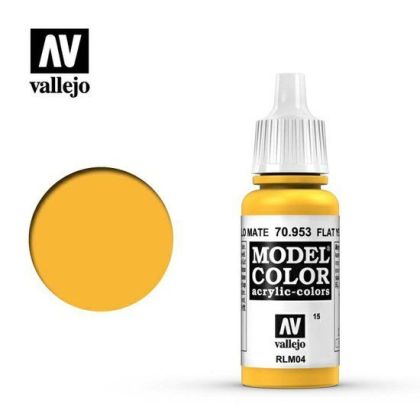
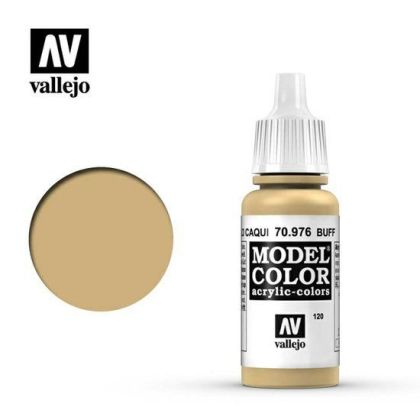
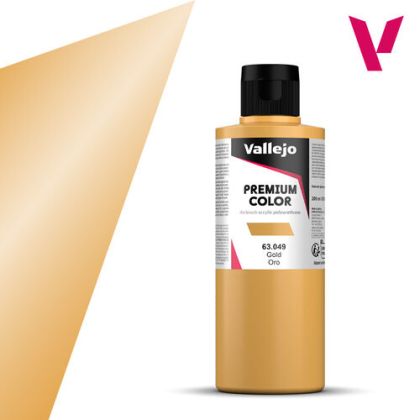
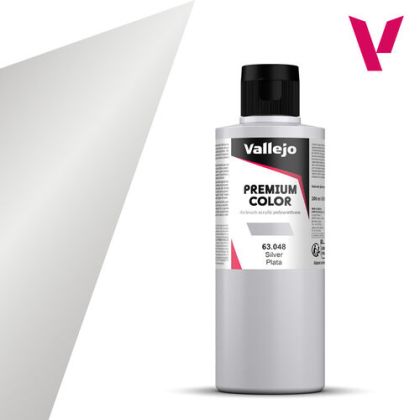
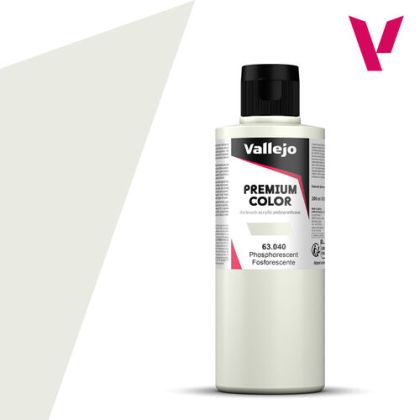
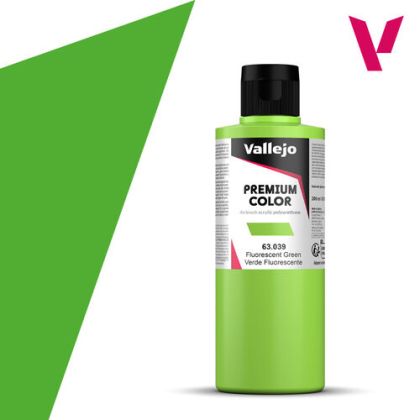
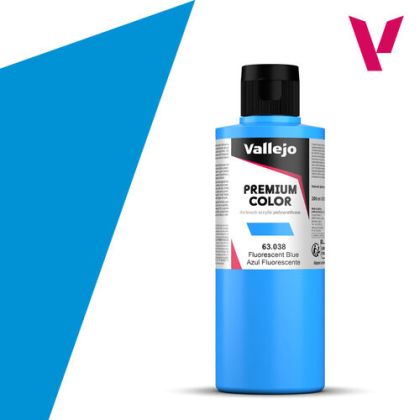
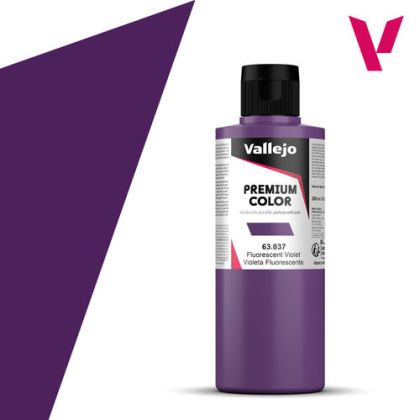
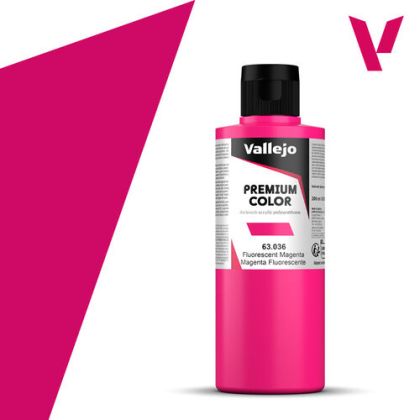
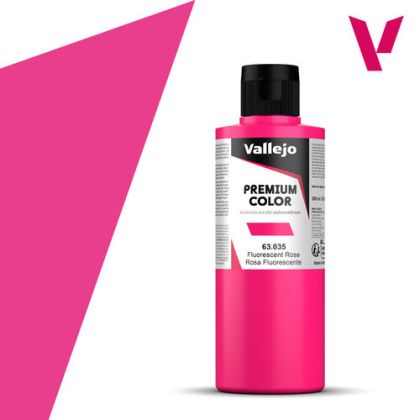
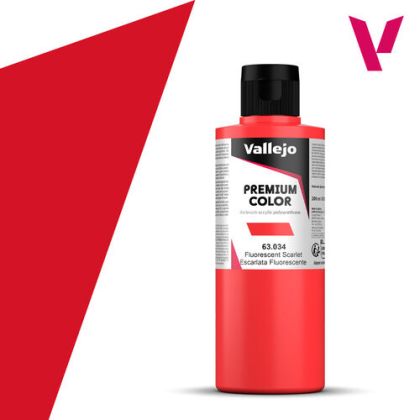
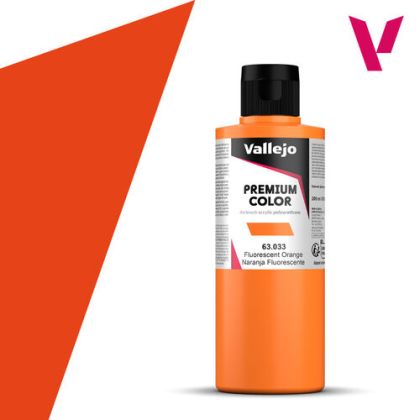
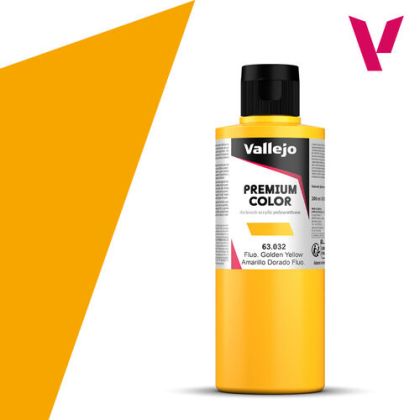
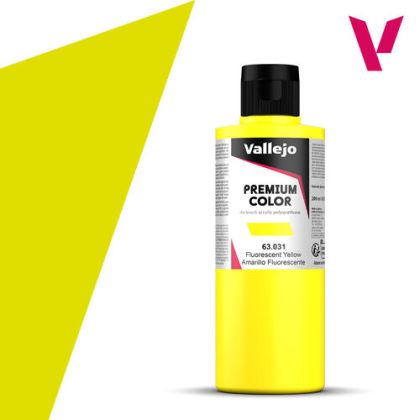
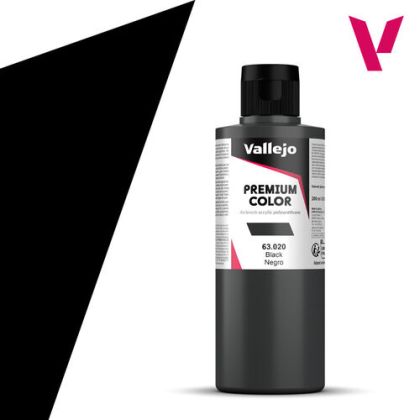
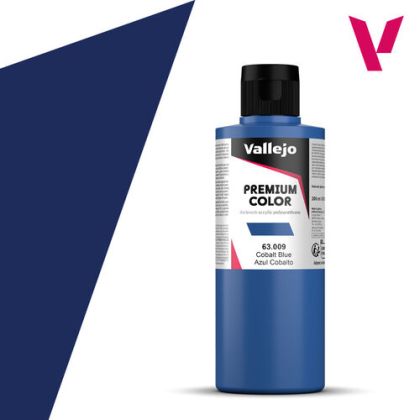
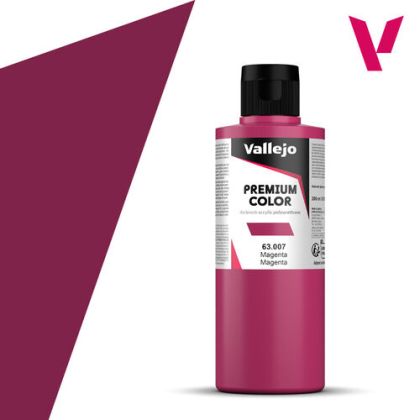
Model Color is the thick matt workhorse with the widest palette, aimed at detail, interiors and figures. Panzer Aces narrows in on tank crew uniforms and the tones that surround ground vehicles. Game Color and Premium Color extend the same approach into saturated and effect shades.
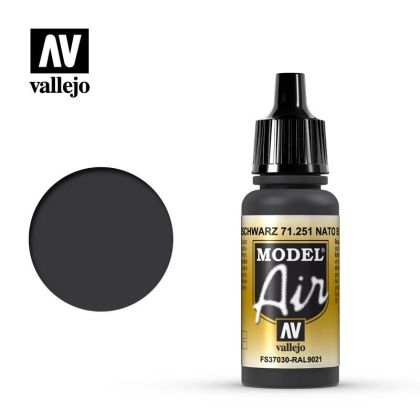
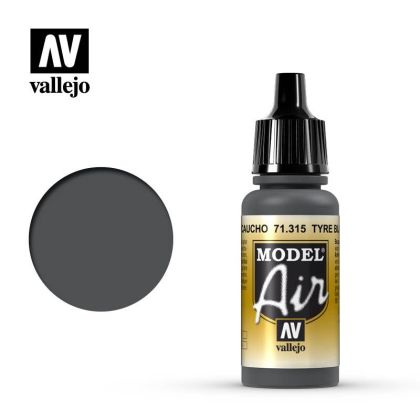
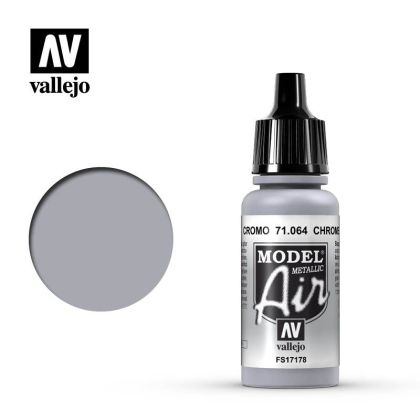
Model Air and Game Air both arrive at spraying consistency. Xpress Color works on a different principle altogether: it is deliberately runny, pulls itself into recesses and lays down base colour and shadow in one pass.
Mecha Color is built for robot and sci-fi subjects, while metallic shades cover steel, brass and gold surfaces that an opaque colour cannot fake.
Because the binder is shared across the ranges, you can spray large panels with one line and finish the detail by hand with another and still hold the same colour. On a large camouflage scheme, or on a group of figures that must match, that consistency is the whole point.