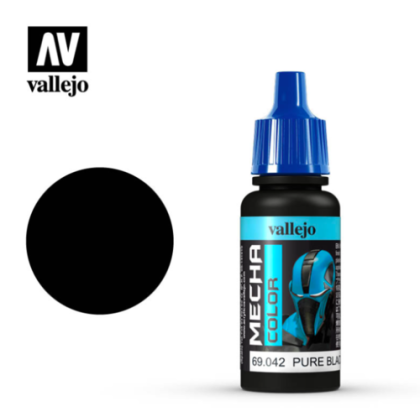
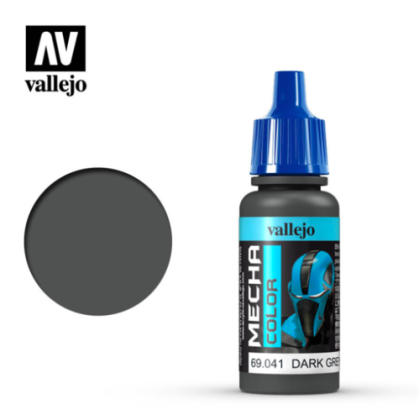
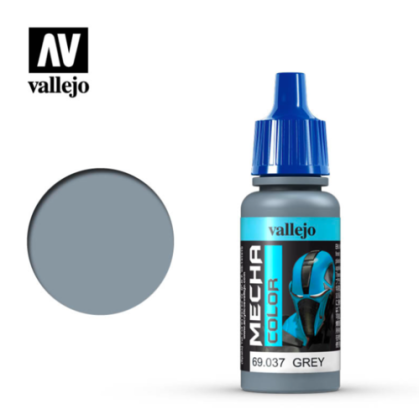
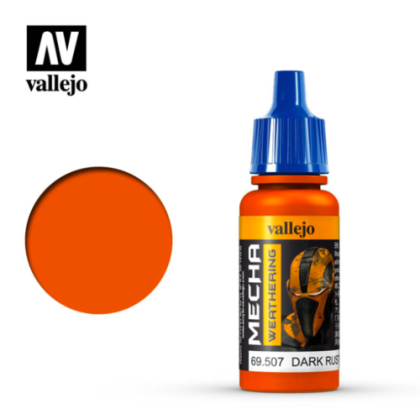
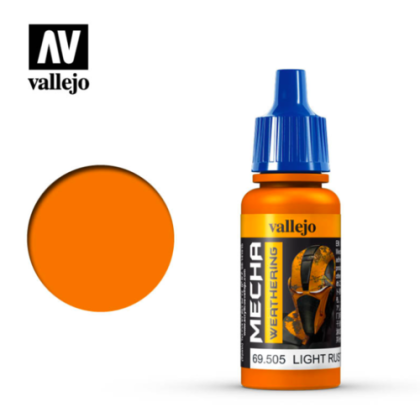
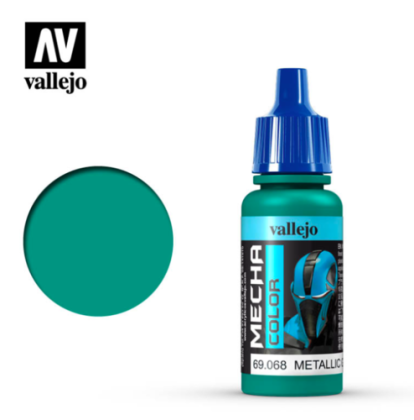
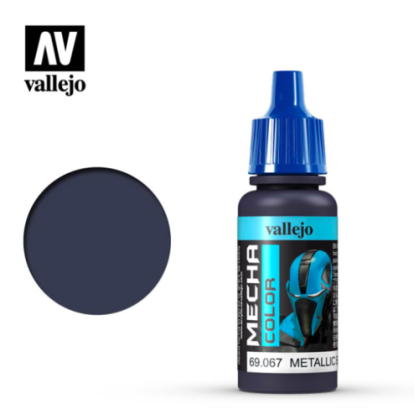
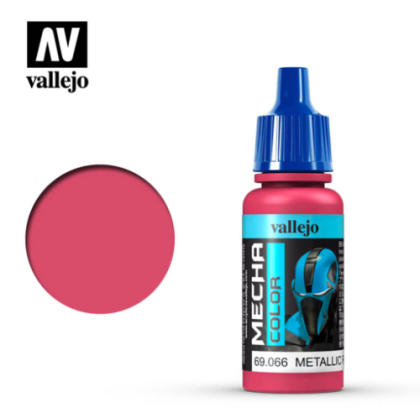
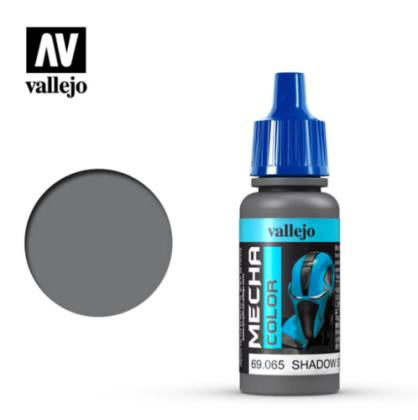
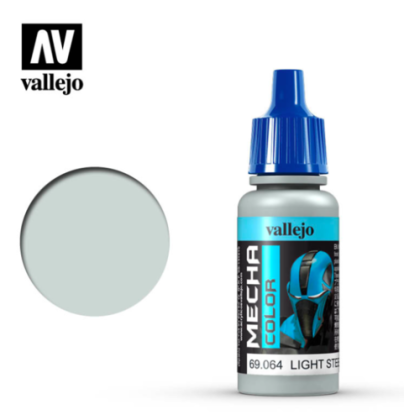
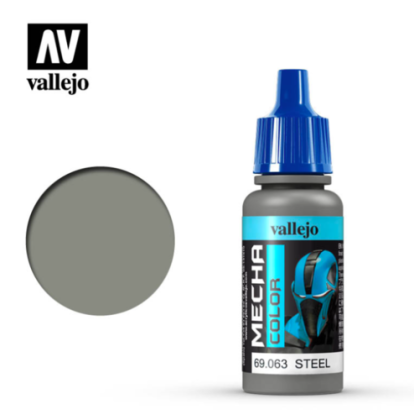
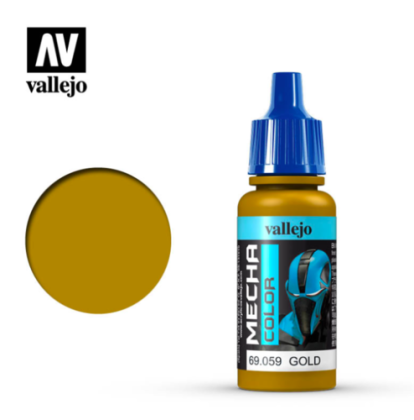
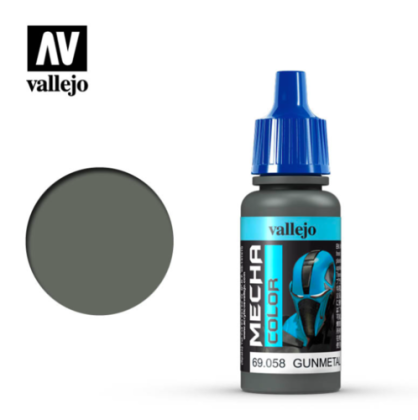
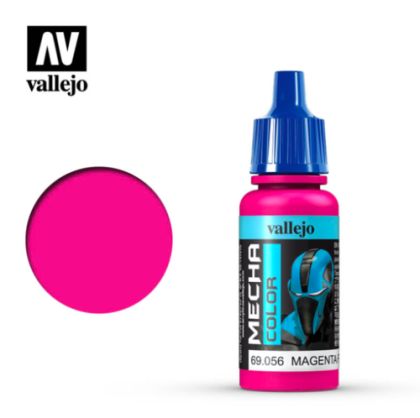
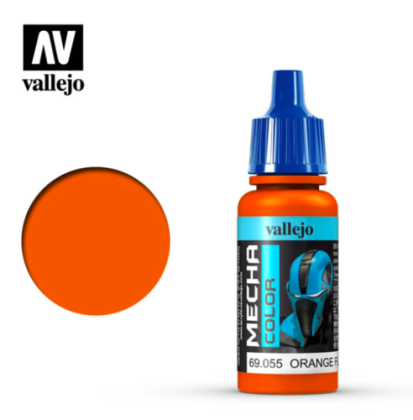
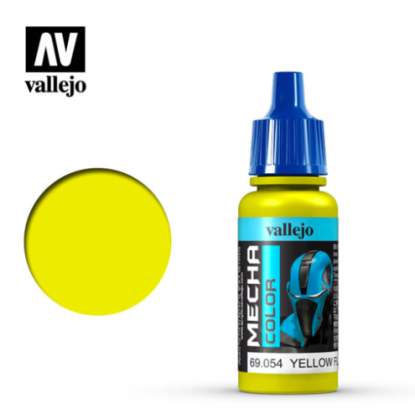
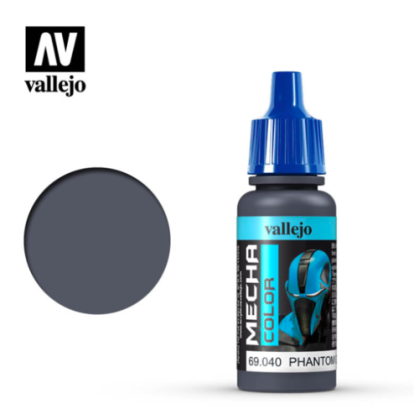
Mecha Color is the Vallejo line developed for builders of robot and sci-fi machines. Most of the range is plain matt colour, with a distinct metallic group — light and dark steel, gunmetal, bronze, copper, old and clean gold — joined by metallic green, blue and red, a fluorescent gloss green and ready-made rust washes.
The reason the palette leans so heavily on metal is the subject. A mecha surface is broken into dozens of panels, covers and hydraulic parts, and the quickest way to stop it reading as a single moulded lump is to vary the metal rather than the colour. How to plan that variation is below.
Mecha Color targets builds where the surface is split into panels, covers and hydraulic components: robotic machines, sci-fi hardware, larger gaming miniatures. The paints therefore use a finely milled pigment so they can be laid onto small facets without filling the detail, and a distinct group of them is metallic, alongside the matt opaque core of the range. Instead of one universal silver there are several grades of steel in gloss and matt versions, with bronze, copper and two golds alongside.
A robot looks best when its metal is not uniform. Load-bearing frames and hydraulics take a dark gunmetal, moving joints a light steel, decorative elements gold or bronze. The difference between the gloss and matt version of one shade is the simplest way to separate two adjacent parts without a panel line between them. Decide in advance which surfaces are armour and which are mechanism, and hold to it across the model.
Metal pigment sits on the surface and emphasises every sanding scratch. Seal the area with a coat from surfacers and primers first, ideally in a dark shade — a dark base deepens the metal and forgives weaker coverage.
The range includes two rust washes, applied over finished metal so they run into the gaps by themselves. To go further, the weathering category supplies dust, oils and fluid streaks.
The rest of the maker's catalogue, matt lines for historical subjects included, is under Vallejo model paints.