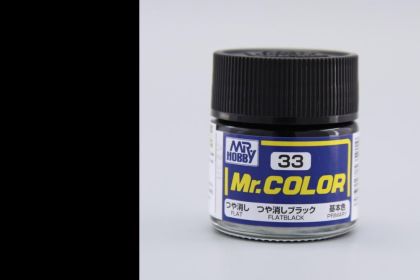
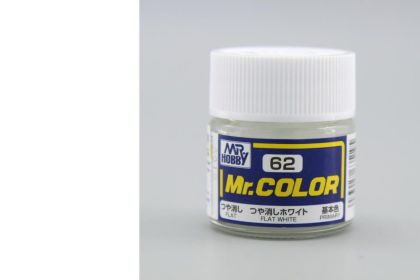
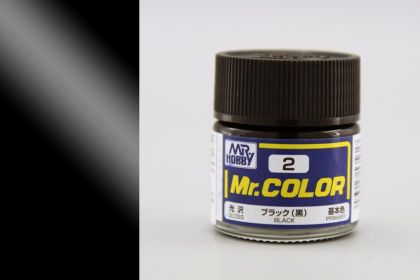
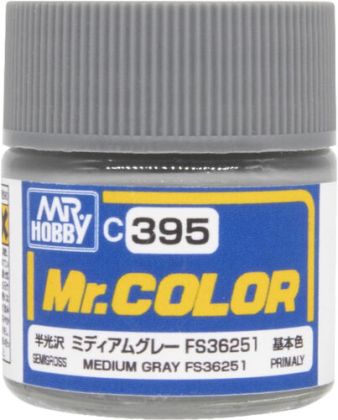
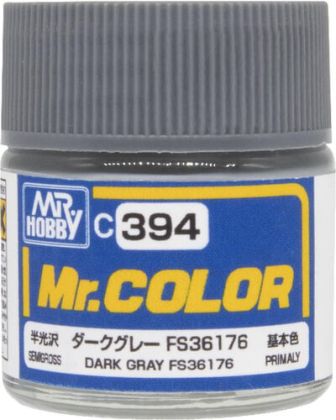
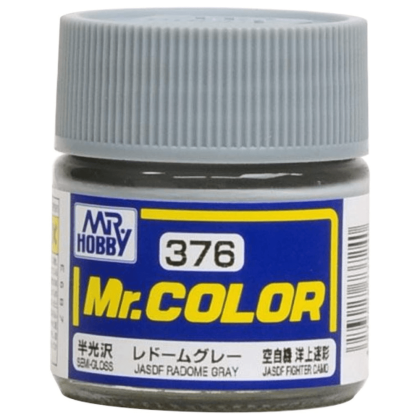
The C series is the core opaque palette of the whole system and stays close to traceable standards. It holds aircraft greys to American codes, Japanese air force and naval shades, deck and hull colours, and camouflage tones from the Second World War and from post-war service.
The film is very thin and smooth, so it does not flood engraved panel lines, and once cured it takes masking tape and the flowing colour used to bring out seams. The notes below cover thinning, layering a camouflage scheme and the large deck and hull areas where batch differences start to show.
The value of this series lies in traceability. Most shades carry a standard code in the name or an exact statement of operator and period, so you need not rely on a photograph that distorts colour through age and lighting. For wartime finishes, bear in mind that real paint varied between manufacturers, which makes the specification a starting point.
Thin with the matching thinner and work in light passes. A solvent type tolerates generous thinning, so it sprays well at lower pressure and gives a very smooth surface. The equipment is in the airbrush section.
Move from a darker base towards lighter tones. Fast flash-off lets you mask sooner than with water-thinnable paints, but still let the coat cure properly before tape touches it.
Deck and hull colours cover large areas where it pays to mix a bigger quantity at once. On a surface that size, the difference between batches shows.
Aircraft shades point at aircraft kits, deck and hull colours at ship kits. The whole brand system sits under the Gunze Mr.Color category.