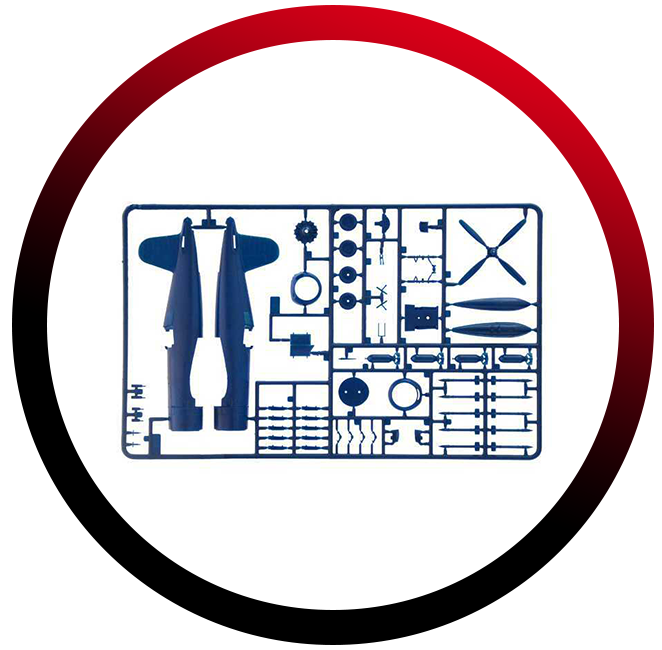
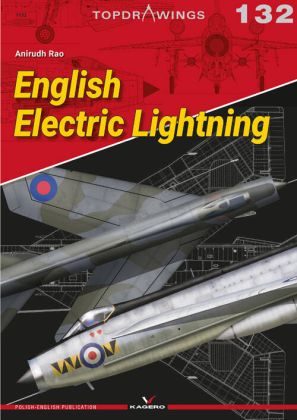
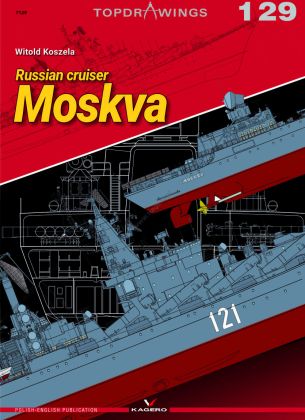
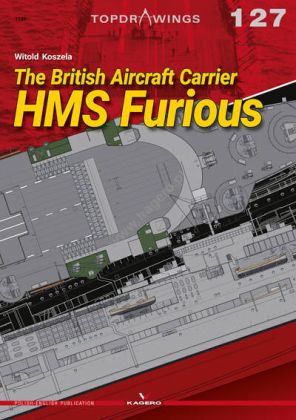
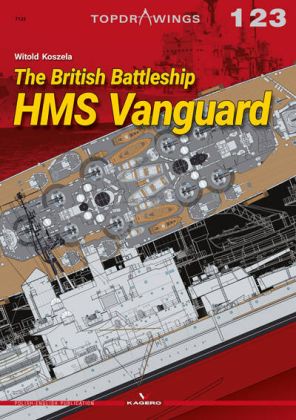
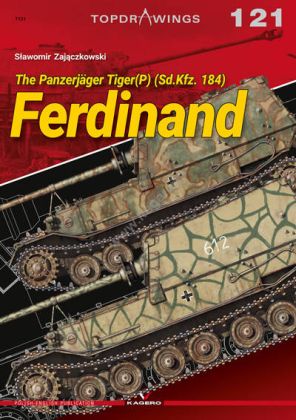
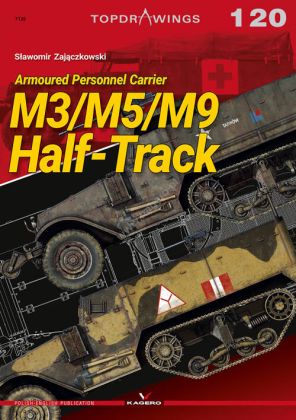
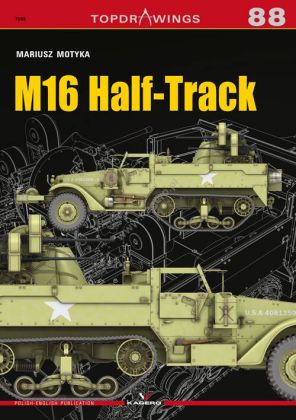
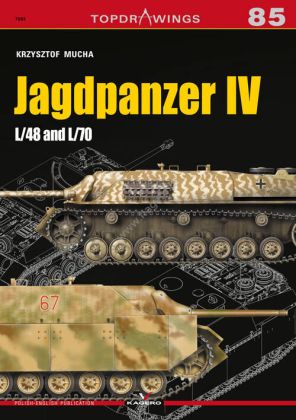
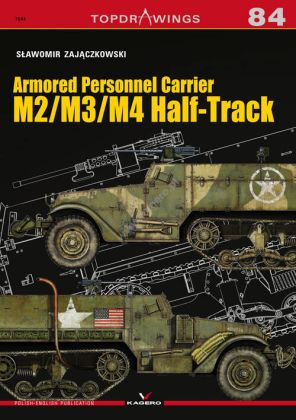
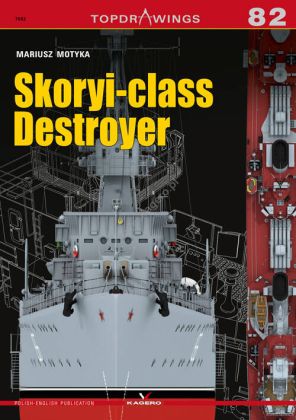
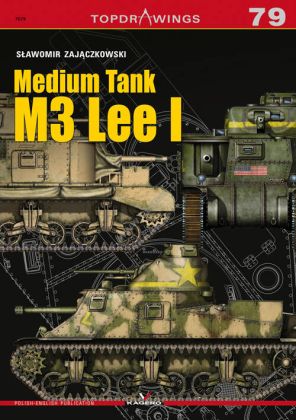
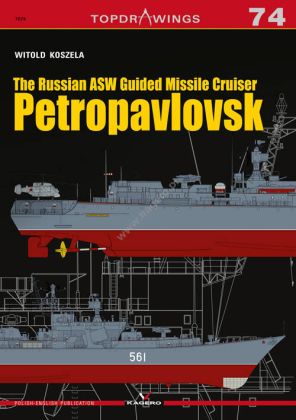
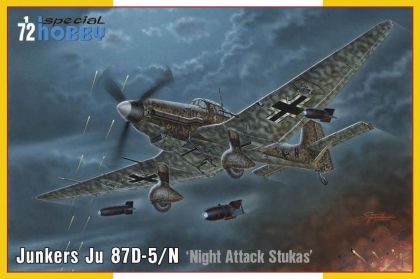
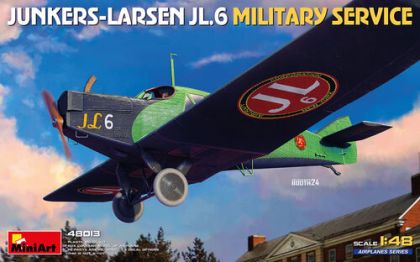
Topdrawings serves a different purpose from a conventional monograph. Instead of text and photographs you get measurable drawings of the subject in several views and sections, usually on large-format sheets. From those you check the shape and dimensions of kit parts, draw in missing detail and plan a conversion to another version. The numbered series covers aircraft, warships and armoured vehicles alike, and each volume carries its own sequence number, so the set can be collected systematically. Sheets are normally printed in more than one scale, which is the detail worth checking before you buy.
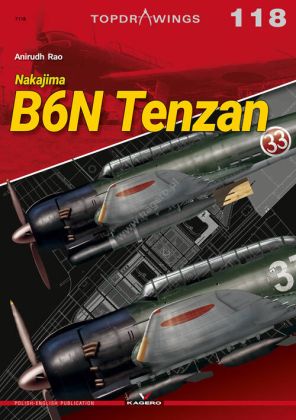 118 - Nakajima B6N Tenzan
11.16 €
118 - Nakajima B6N Tenzan
11.16 €
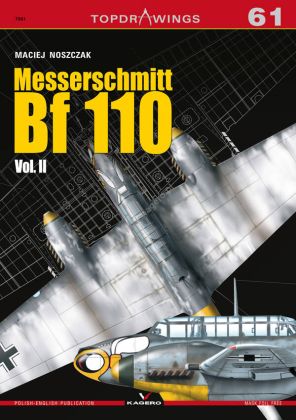 61 - Messerschmitt Bf 110 Vol. II
11.16 €
61 - Messerschmitt Bf 110 Vol. II
11.16 €
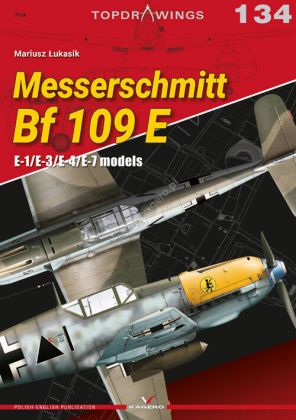 134 - Messerchmitt Bf 109 E E-1/E-3/E-4/E-7 models
13.56 €
134 - Messerchmitt Bf 109 E E-1/E-3/E-4/E-7 models
13.56 €
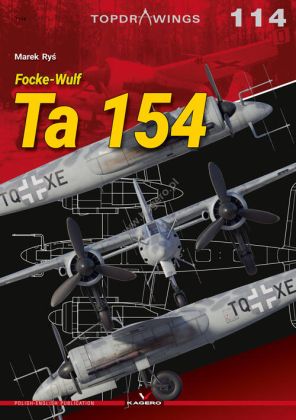 114 - Focke-Wulf Ta 154
11.16 €
114 - Focke-Wulf Ta 154
11.16 €
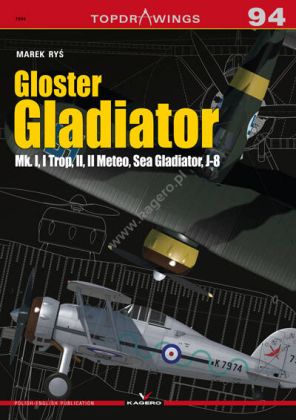 94 - Gloster Gladiator Mk. I, I Trop, II, II Meteo, Sea Gladiator, J-8
11.16 €
94 - Gloster Gladiator Mk. I, I Trop, II, II Meteo, Sea Gladiator, J-8
11.16 €
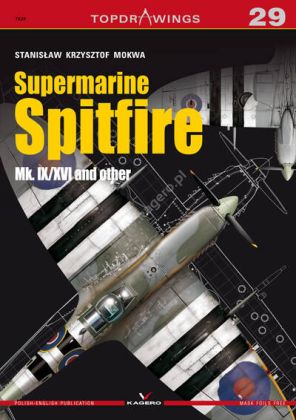 29 - Supermarine Spitfire Mk. IX/XVI and other
11.16 €
29 - Supermarine Spitfire Mk. IX/XVI and other
11.16 €
A drawing answers questions a photograph cannot: the true track width, the spacing between superstructure windows, the cross-section of a fuselage. With older kits that is how you discover a part is the wrong length or sits at the wrong angle, and decide whether correcting it is worth the effort. The same drawings earn their keep in scratch-building, when you cut a shape from plastic sheet to match.
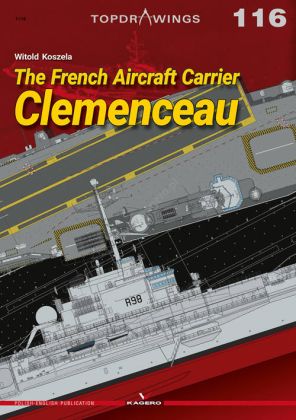
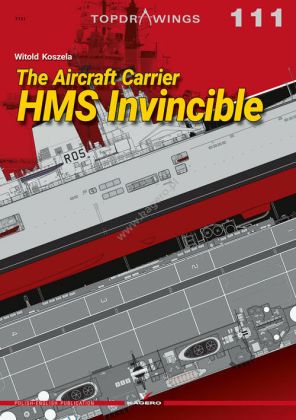
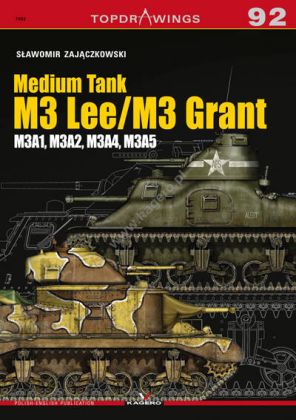
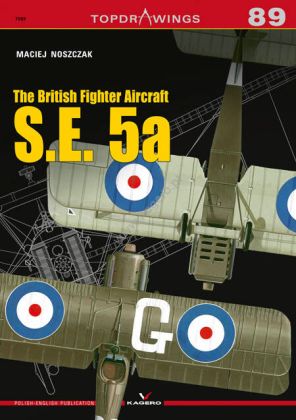
All three main fields are mixed together. Aviation volumes include the Messerschmitt Bf 109 E, the English Electric Lightning, the Focke-Wulf Ta 154, the Gloster Gladiator, the Nakajima B6N and the S.E.5a. The naval side covers aircraft carriers as well as cruisers and destroyers; the ground side covers the M3 Lee and Grant, the M2 to M16 half-track family, the Jagdpanzer IV and the Ferdinand.
Drawings are usually reproduced in more than one scale so they serve builders of different model sizes. Which scales a volume carries is stated in its description. If you need another, the drawing enlarges or reduces on a copier without any loss of proportion - just check one known dimension afterwards.
Work from a copy rather than the original sheet. A photocopy can be laid directly against a part, trimmed and marked up, which is exactly what you want when comparing an outline with a fuselage half.
For photographic documentation of the same subjects see References, and for the camouflage once the shape is right, TopColors.