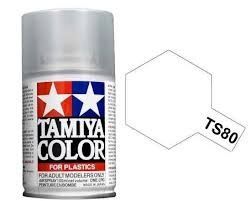
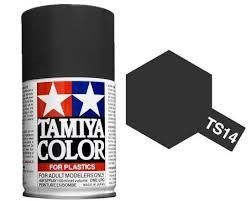
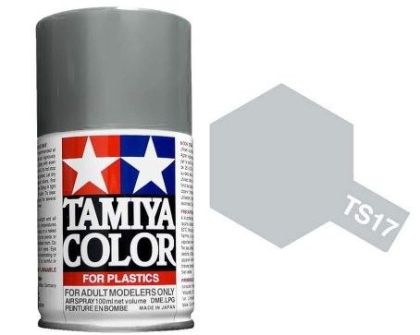
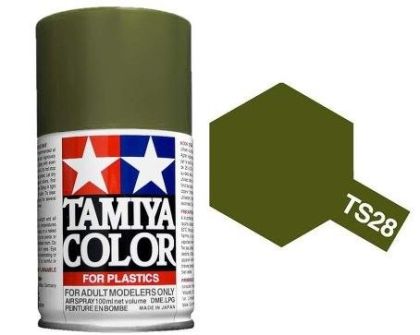
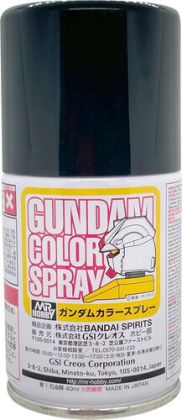
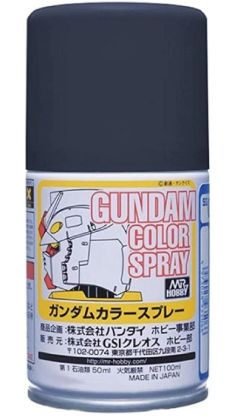
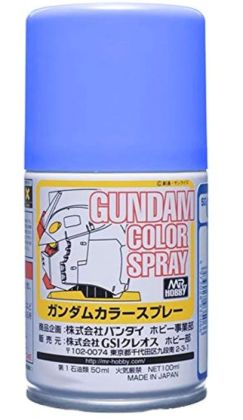
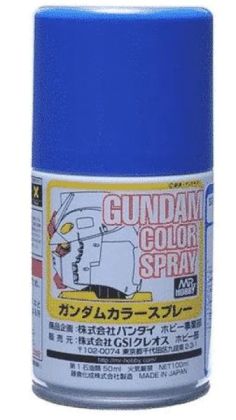
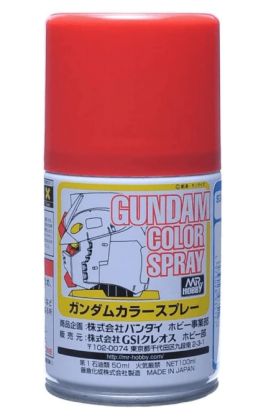
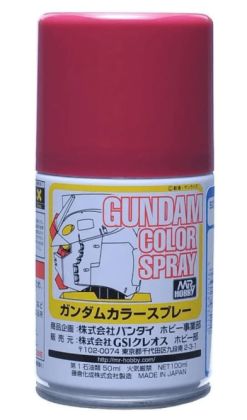
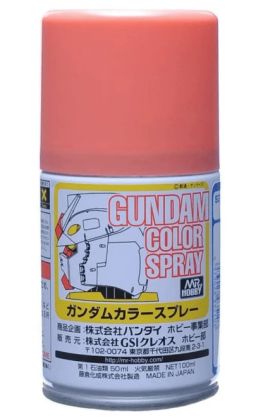
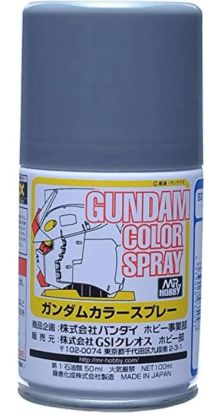
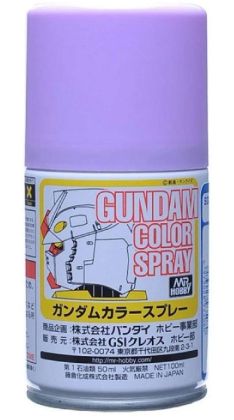
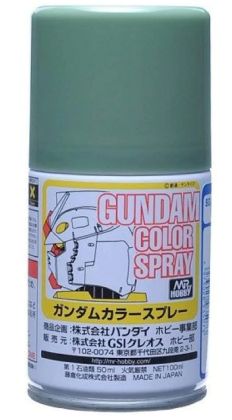
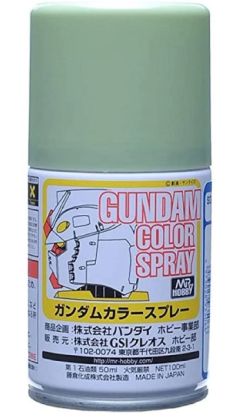
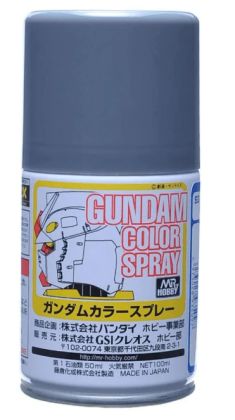
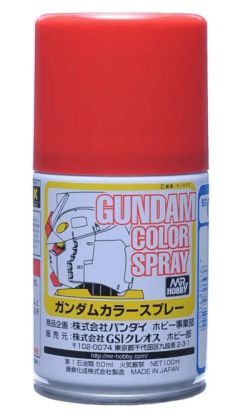
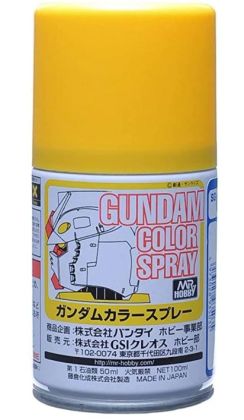
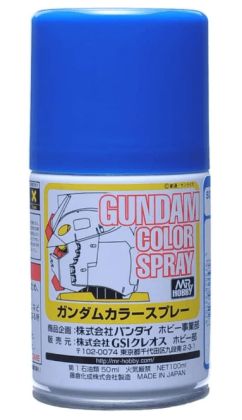
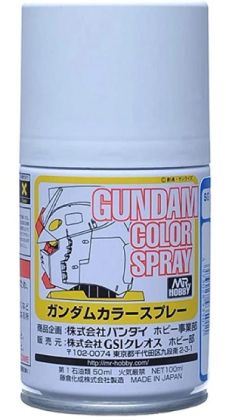
An aerosol is the quickest route to an even covering coat if you have no airbrush, or simply do not want to set one up for a single colour. A can lays an even layer across a large area in seconds, which suits car bodies, airframes, undersides and base coats. The shelf holds lacquer and enamel ranges in matt, satin and gloss, in several can sizes. How to spray without runs, and how to pick a range that will not attack the plastic underneath it, is set out below.
An aerosol wins where one colour has to cover a large area: a car body, the underside of an aircraft, a base coat over an entire kit. It loses on camouflage with soft transitions and on small detail, where there is no control over the width of the fan. Most benches therefore use both, a can for the base and airbrush equipment for everything after it.
Lacquer cans carry a stronger solvent and can bite into softer plastics or into an older coat of paint. Always test on a piece of sprue first. The safest route is a coat from surfacers and primers before any colour goes on.
Gloss for bodywork and under decals, matt for camouflage and equipment, satin for interiors. Sheen can also be adjusted afterwards with a final coat from model varnishes.
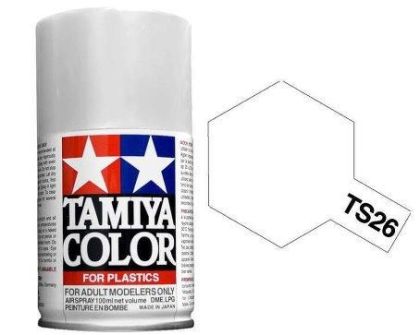
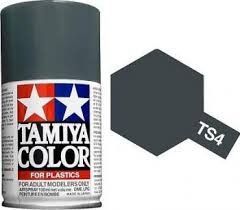
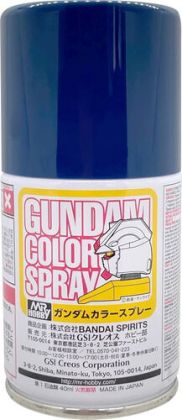
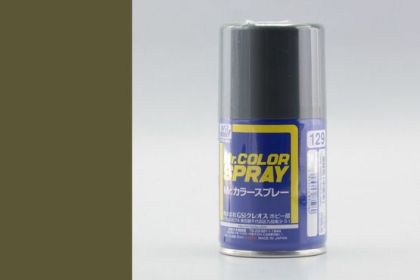
Numbered enamel shades are in Revell sprays, lacquers for bodywork and aircraft schemes in Tamiya 100 ml sprays, smaller cans for occasional shades in Gunze 40 ml sprays, and supplementary colours and effects among the other model sprays.
Solvents for cleaning up overspray and tools are in thinners and cleaners, the remaining binders in model paints, and something to practise on among the plastic model kits.