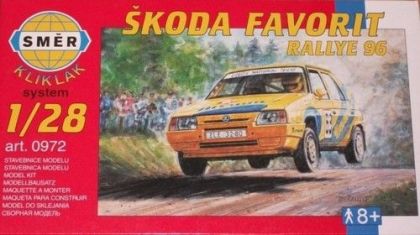
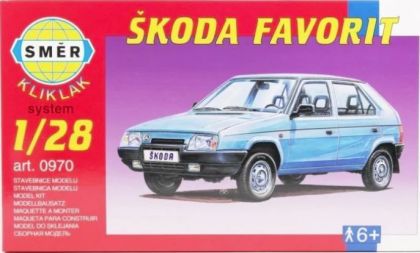
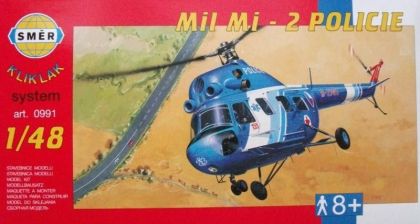
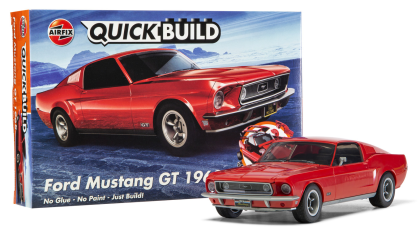
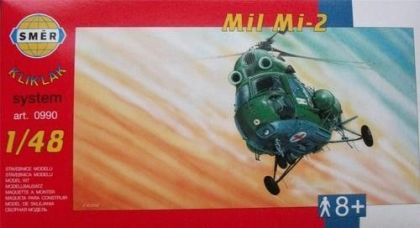
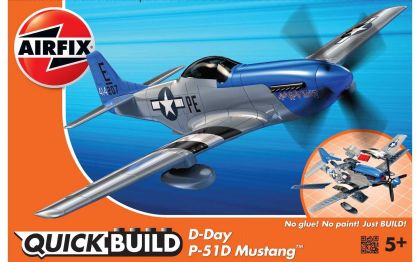
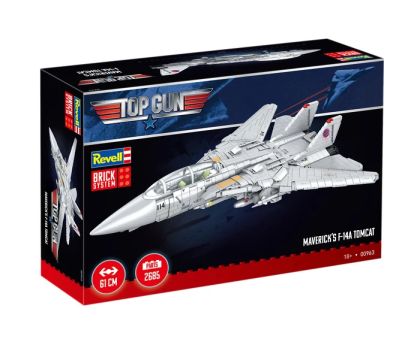
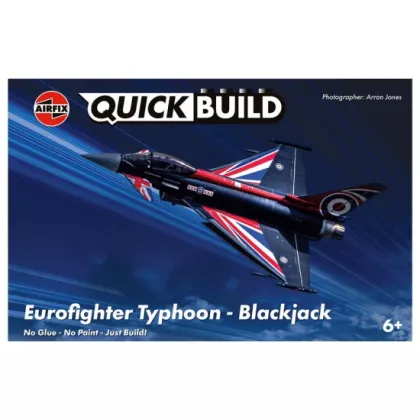
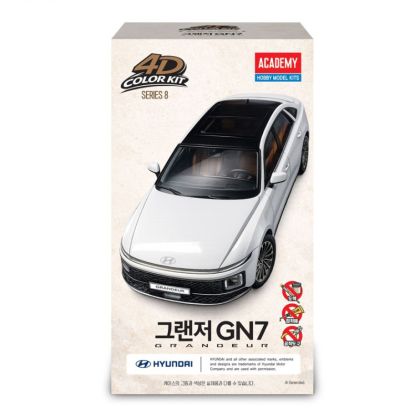
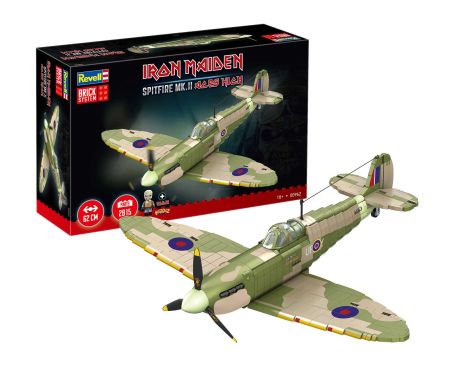
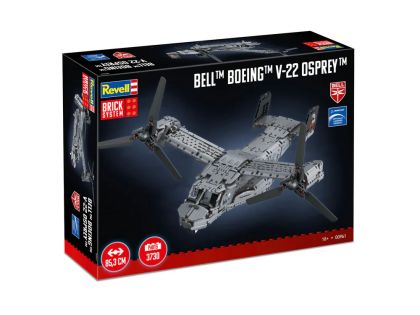
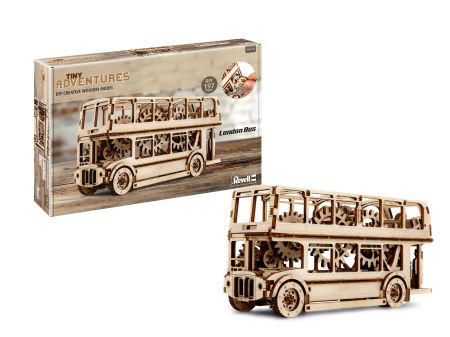
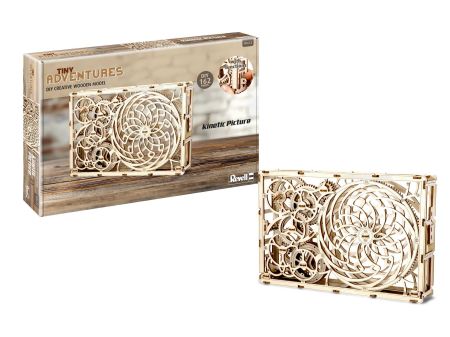
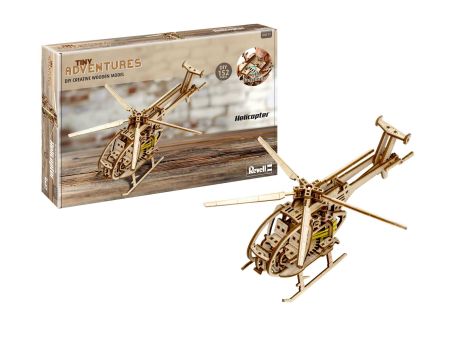
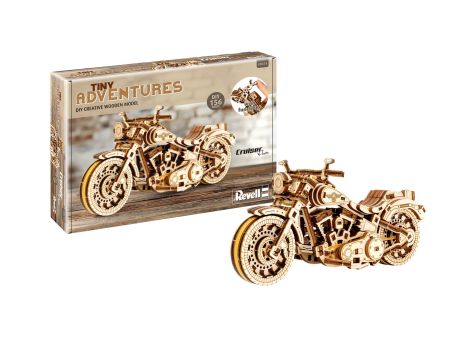
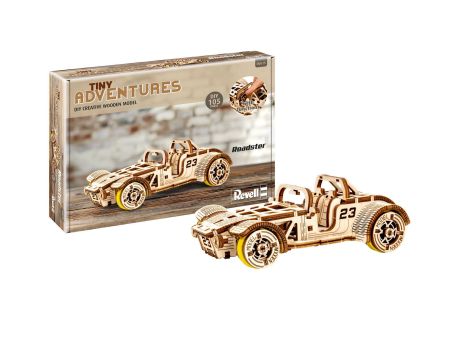
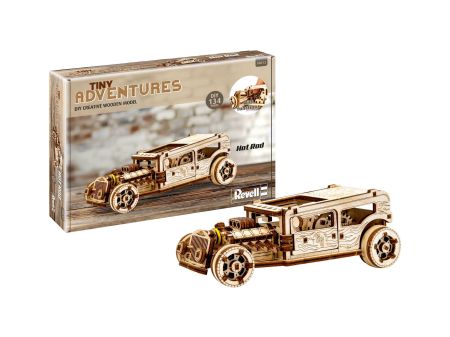
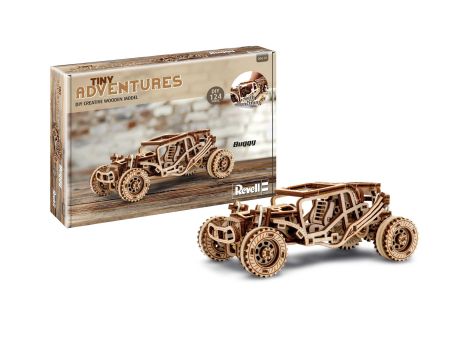
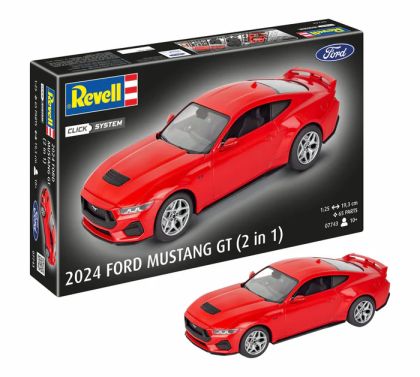
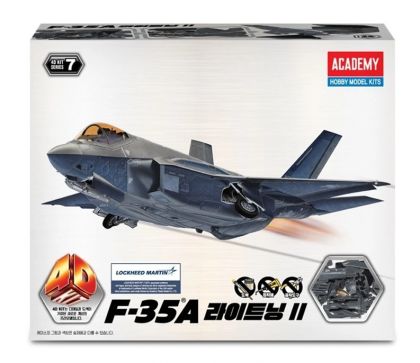
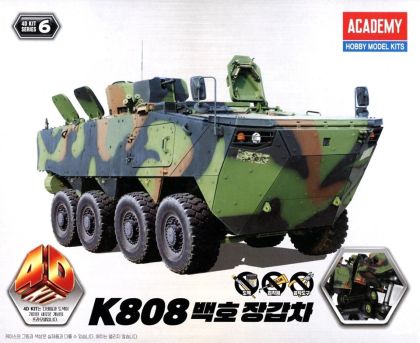
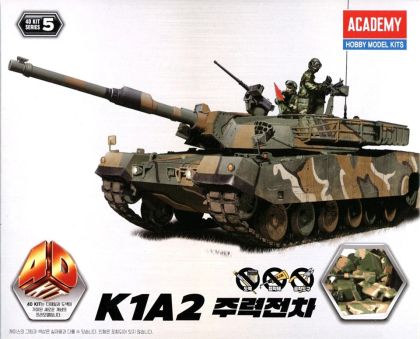
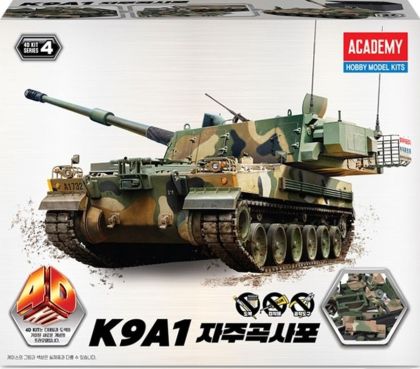
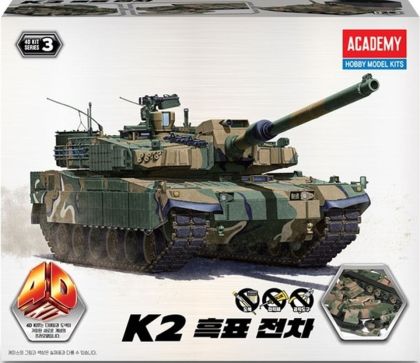
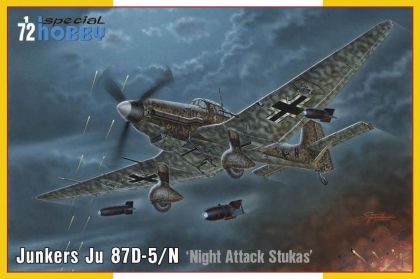
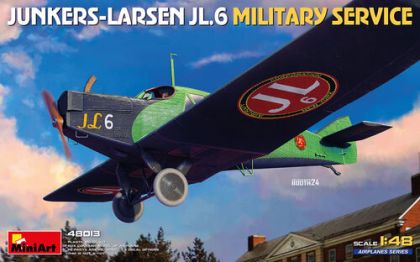
The principle could not be simpler: parts are moulded accurately enough to click into each other and the model holds without a drop of glue. A snap-fit kit removes the step that defeats most newcomers to the hobby, which makes it a sound choice for children, for complete beginners, and for anyone who wants to build something without first clearing and covering a table.
Subjects run from cars and aircraft to helicopters, motorcycles and outright novelties, and many are moulded in colour, so painting becomes something you may do rather than something you must.
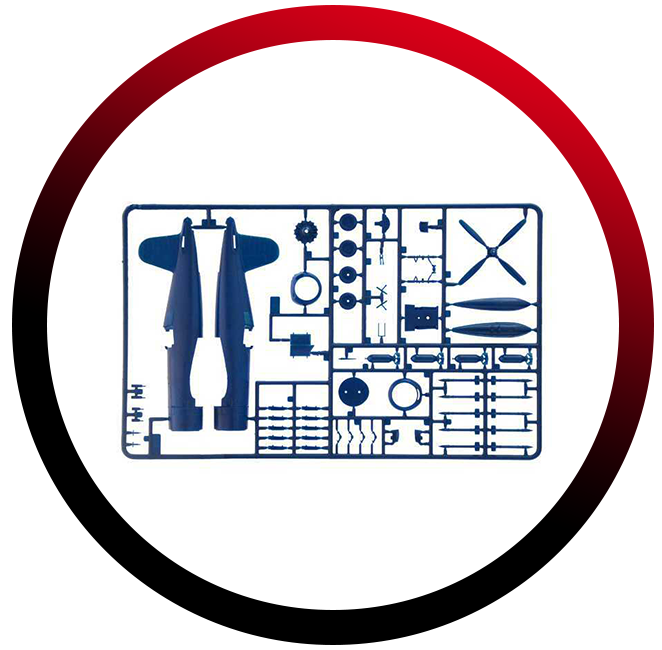
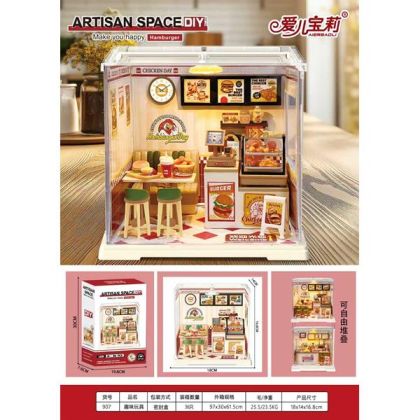
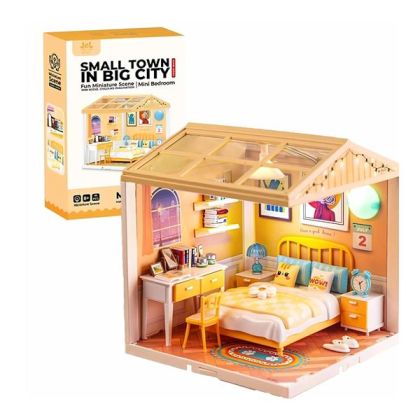
Each part carries pins and sockets that engage with a faint click, which is where the name comes from. Parts are usually moulded in several colours and the markings arrive as stickers or decals, so a finished model reads well even with no paint on it at all. Some boxes use a block-building system closer to interlocking bricks; others are conventional scale models whose joints simply push together instead of being cemented. Either way nothing has to dry and nothing has to be ventilated, so you can build at the kitchen table in the evening and clear up in two minutes.
For younger children, fewer and larger parts. Schoolchildren cope with models of several dozen parts, and adults will find more faithful kits of a hundred or more, where clicking the parts together is simply a quicker road to the same result.
Sports cars, fighters, helicopters, motorcycles and a scattering of oddities. For something gentler still there are the caricature proportions of egg models and cute model kits, and simple push-together animals appear among dinosaur model kits too.
If a snap-fit kit is meant as a first step towards conventional modelling, the natural second stop is starter sets with paints, where gluing and painting get tried with the whole outfit supplied in the box.
The whole breadth of subjects, cars through to ships, is in the overview of plastic model kits.