Submarine model kits ask a different kind of patience than surface ships. Almost the whole model is one long rotational shape, so the seam where the two hull halves meet runs the full length of the boat across a smooth, unbroken surface with nothing to distract the eye. Close that joint properly while the hull is still open and the rest of the build stays calm work; leave it, and you end up sanding and re-scribing the entire hull later.
Superstructure is sparse by comparison: a conning tower, a handful of hatches, a periscope or two. The interest therefore moves into the surface itself, which is where paint and weathering decide whether the boat reads as a machine that spent weeks at sea. The scale lists below show how much of that surface you actually get to work on.
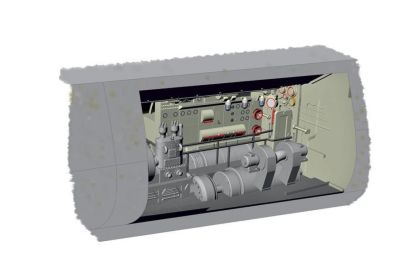
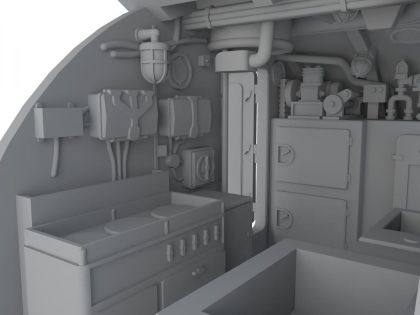
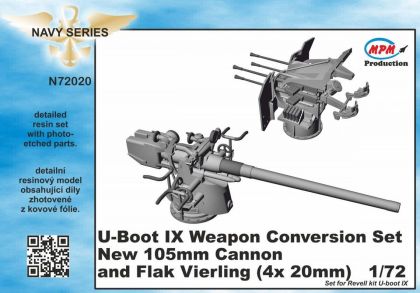
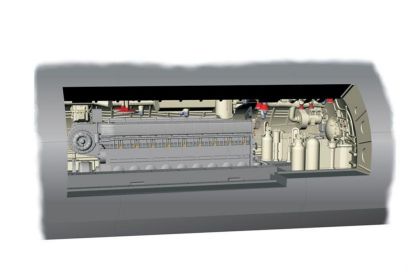
Injection-moulded submarine kits across ten scales, from Second World War midget boats and human torpedoes to nuclear fleet boats and deep-diving research submersibles. Some are waterline hulls intended for a sea base, most are full hulls that can stand on a cradle or a display base. Alongside the boats sit the matching upgrade sets, from etched casing gratings to complete resin compartments.
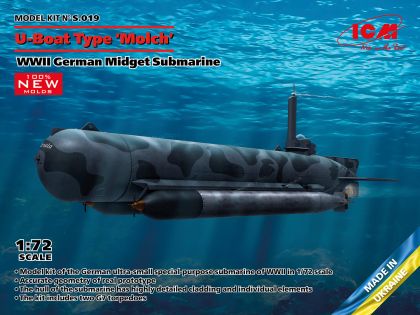
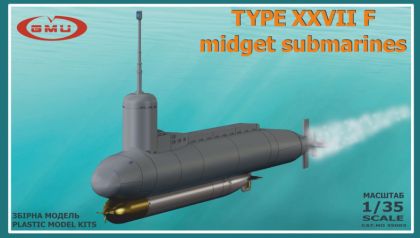
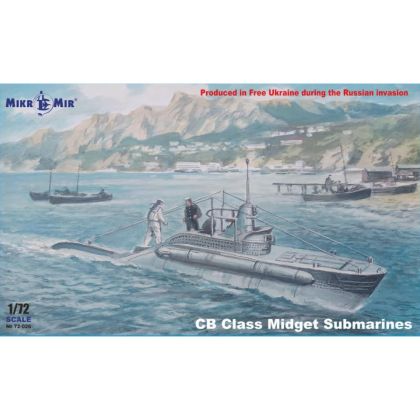
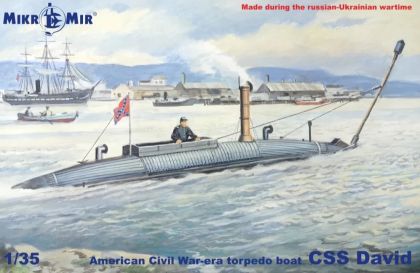
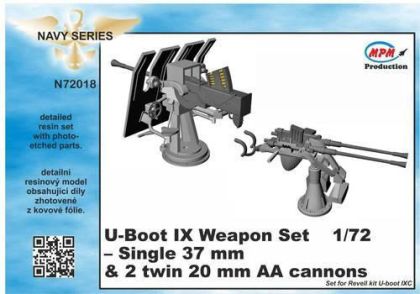
Midget submarines, S.L.C. chariots and single torpedoes dominate 1:35 submarine kits because a full-size boat at that scale would be unmanageable. Full-size hulls appear in 1:48 and especially 1:72 submarine kits, where a Type VII runs well past half a metre. At these scales plating lines, free-flood holes and hatch rims are crisply moulded, so every millimetre of filler you put on the hull seam has to be sanded back without flattening them.
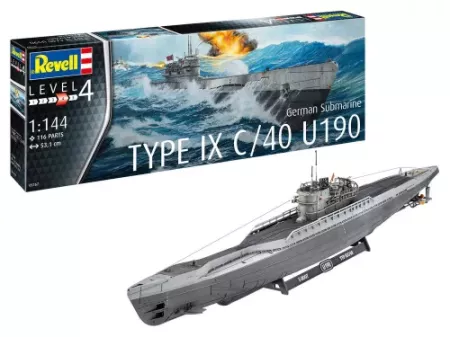
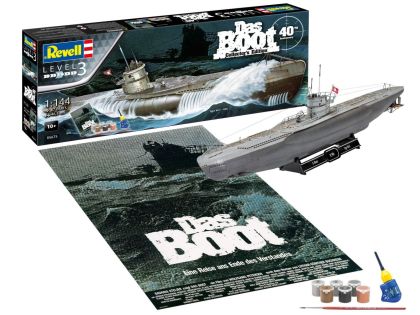
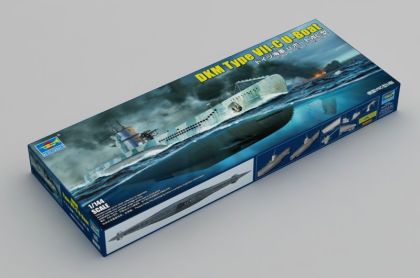
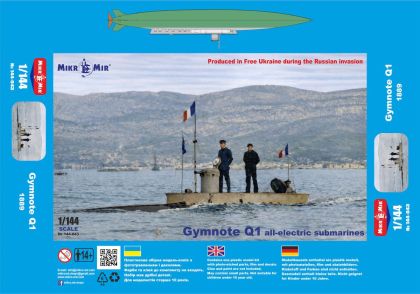
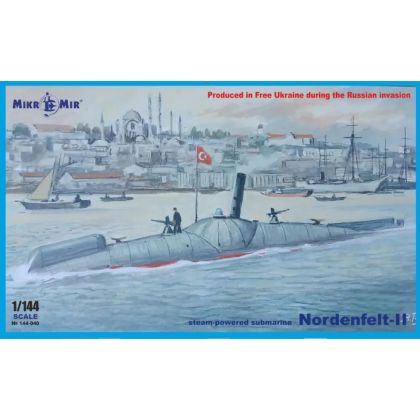
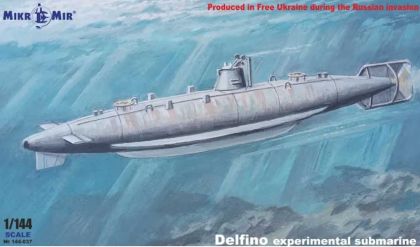
1:144 submarine kits are the compromise most builders settle on: a complete boat around half a metre, enough surface for streaking and growth below the waterline, and a hull short enough to clamp in one go. 1:200 brings the same boats down to a shelf that also holds ships, and early experimental submarines turn up here too.
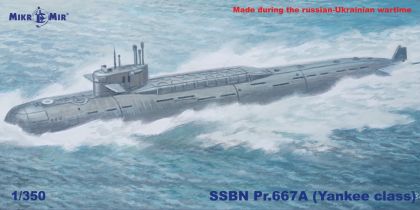
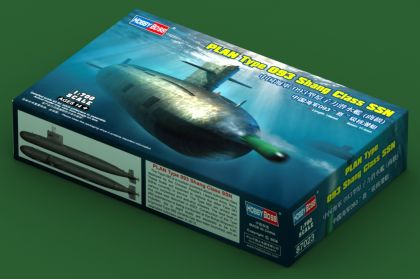
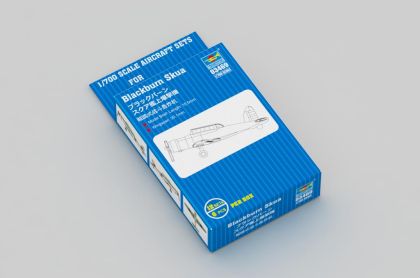
1:350 submarine kits and 1:400 put a whole flotilla on one shelf and often share a sea base with ships of the same scale. In 1:700 the hull is short enough that the seam can be dealt with in a single sanding session, and the finish carries the model: at that size a crisp waterline and a controlled tonal shift matter far more than any individual fitting.
One habit is worth adopting whatever scale you pick: dry-fit and tape the hull halves, hold them against a light and mark every gap before any glue goes near them. Ten minutes there saves an evening of filling.