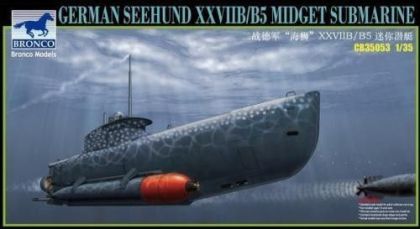
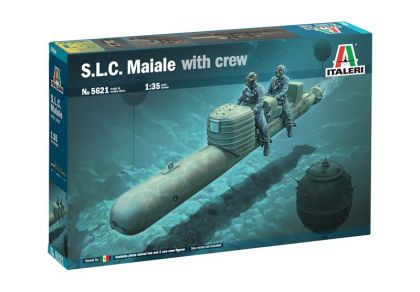
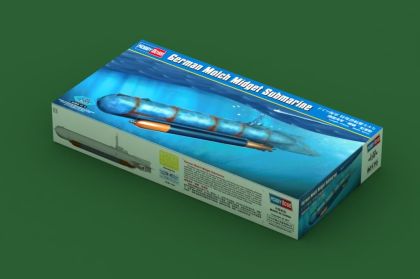
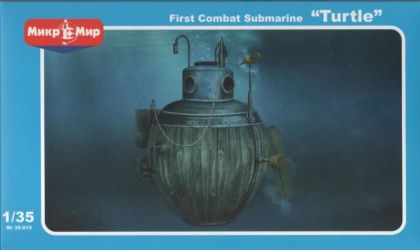
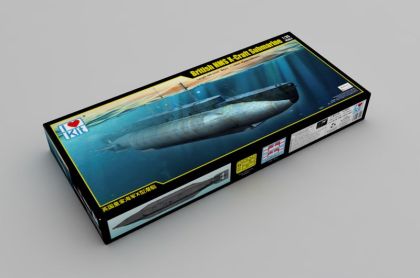
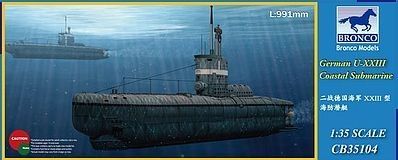
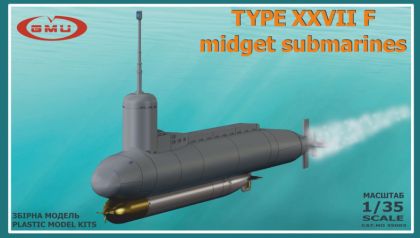
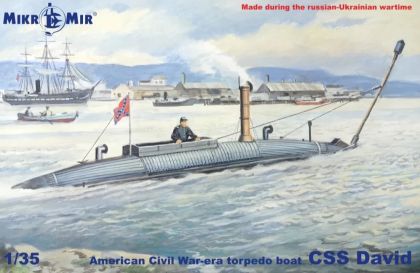
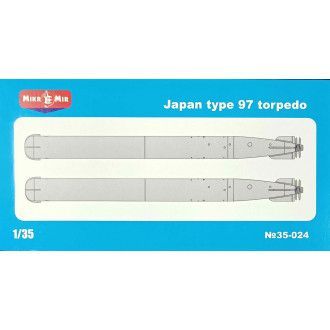
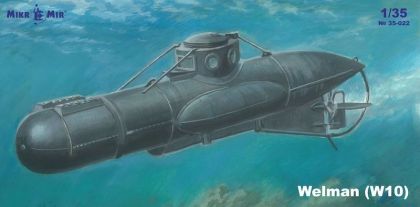
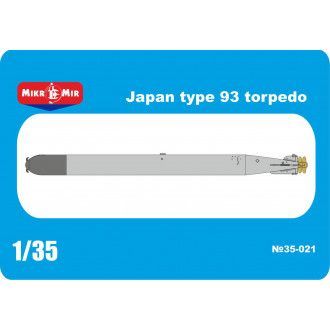
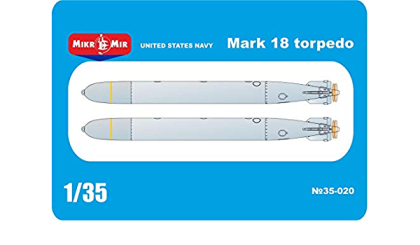
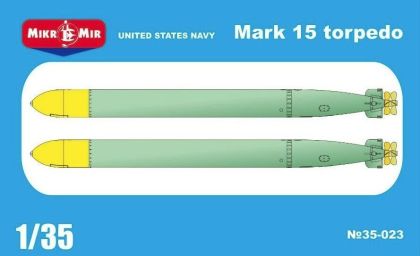
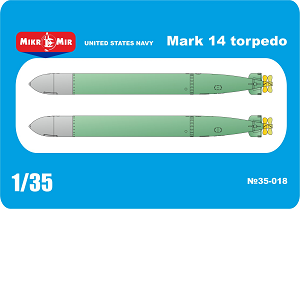
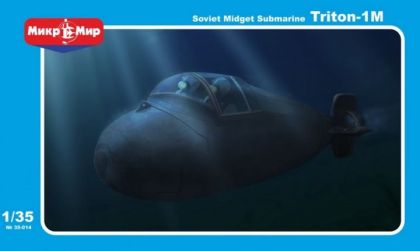
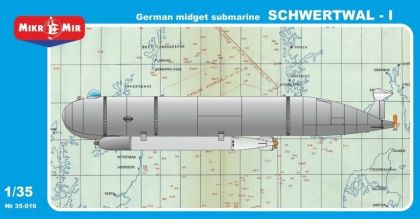
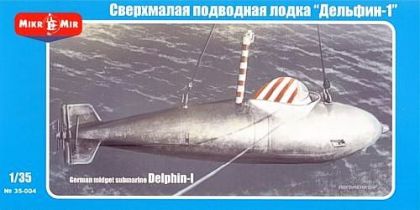
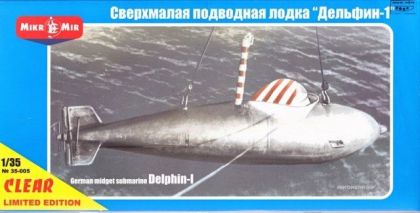
1:35 is the scale of small craft. A full-size fleet boat here would be several metres long, so what you find instead are the vessels that were genuinely small: German Type XXVII midget submarines, Welman one-man boats, Italian S.L.C. chariots with their crew, and individual torpedoes as standalone models.
The advantage is that 1:35 is also the standard scale for military vehicles and figures, so a midget boat on a trailer, a crew in diving suits and a stretch of quayside all go together without any scale juggling. These hulls are short enough that the seam is a single evening's work, which leaves the surface as the real project.
Short, stubby hulls with large surface features: riveted or welded plating, towing eyes, a single small hatch, exposed propellers and rudders. Crew figures are often in the box, which sets the sense of size better than any caption. Torpedoes supplied as separate models are useful props: stacked on a cradle, slung under a crane or laid out on a dockside they immediately explain what the boat is for.
Even a ten-metre boat reduced to 30 centimetres still has that unbroken joint down its side. Tape the halves together dry, hold them to a light, and fix the gaps before any glue goes on. Filling and sanding a closed hull means rebuilding the plating lines afterwards.
With so few fittings, the finish carries the model. Anti-fouling paint flaking off below the waterline, rust bleeding from hatch rims and towing eyes, and a band of growth along the waterline are the three effects that read immediately. Start from a solid base of model paints and build the wear with weathering products rather than trying to paint it in one pass.
Casing gratings, net cutters and railings in photo-etched brass are thin enough to be convincing where plastic is not. At 1:35 their thickness is very visible, so folding them cleanly matters more than at small scales.
The whole range by scale is in submarine model kits.