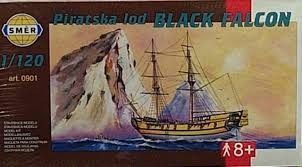
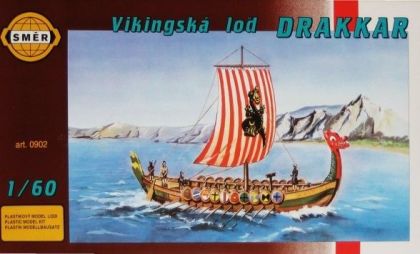
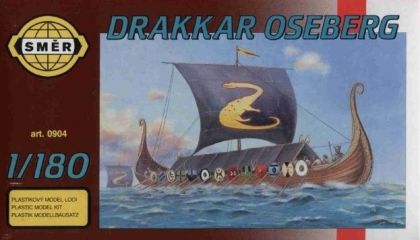
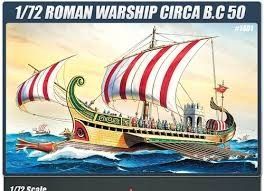
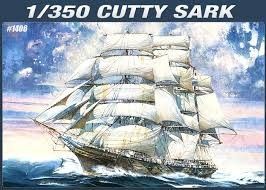
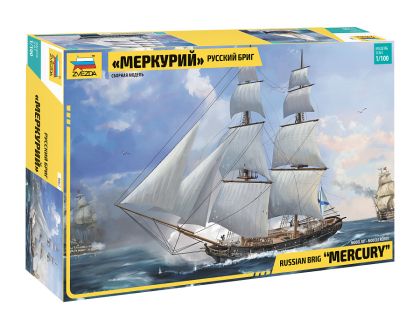
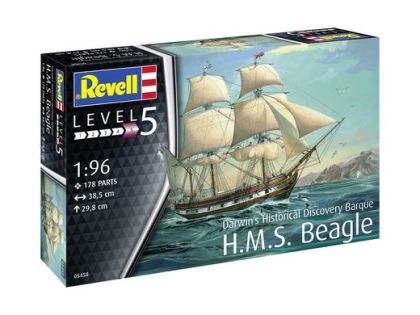
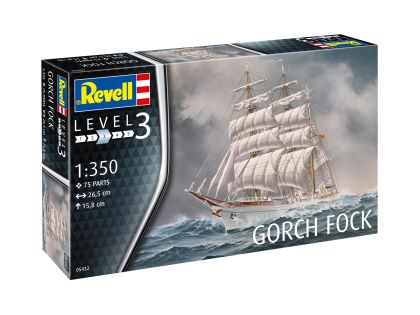
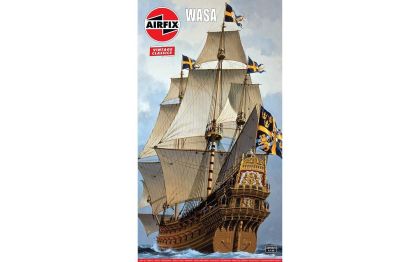
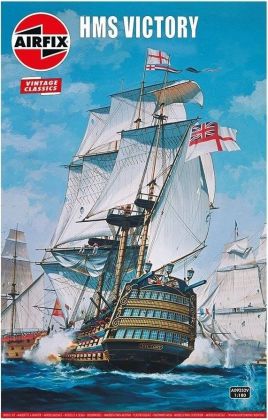
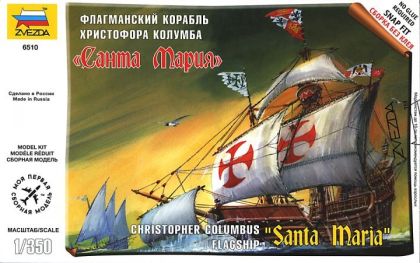
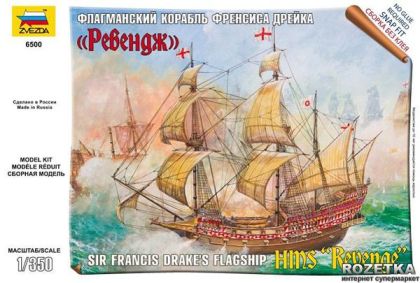
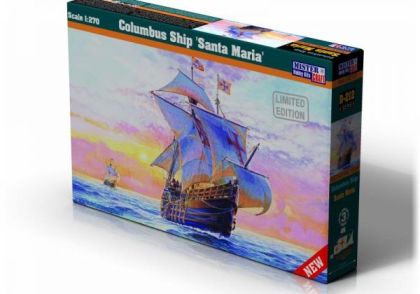
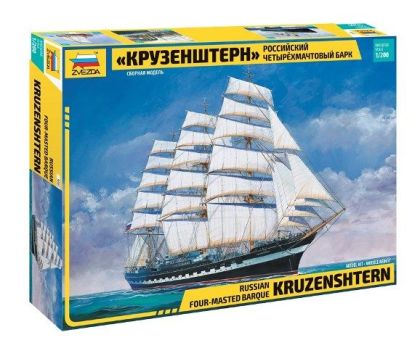
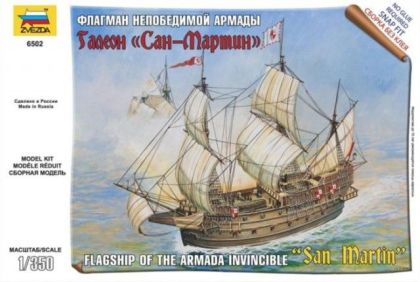
Sailing ship models are the oldest discipline in ship modelling and the finest lesson in the history of seafaring: a Viking longship, the flagship HMS Victory, the Pilgrims' Mayflower, the Swedish Wasa and the training barque Gorch Fock. Plastic kits of historic hulls are within reach of builders for whom a plank-on-frame wooden build would be too much, yet the rigging remains a genuine test. Below, how to choose a ship and how to approach the lines.
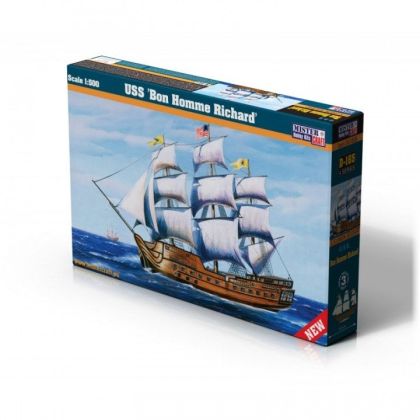
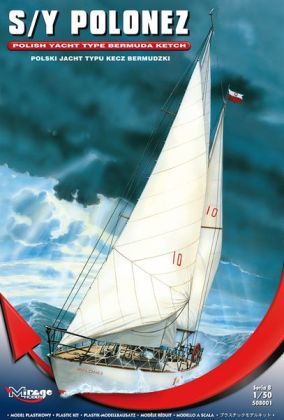
Injection-moulded kits of historic vessels from antiquity to the age of training ships. Compared with building in timber you get an accurately shaped hull and moulded carving detail, which lets you concentrate on colour and rigging. Scales vary from subject to subject, so choose by the finished size and by how much rigging you want to take on, not by the ratio on the box.
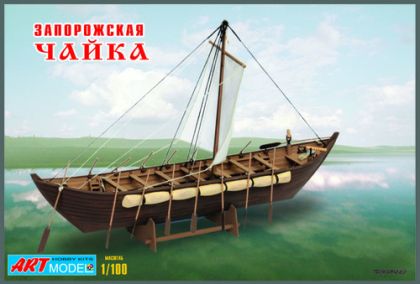
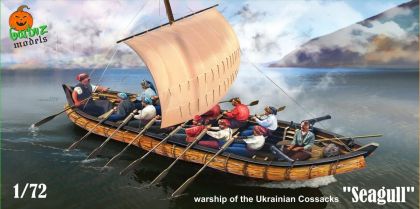
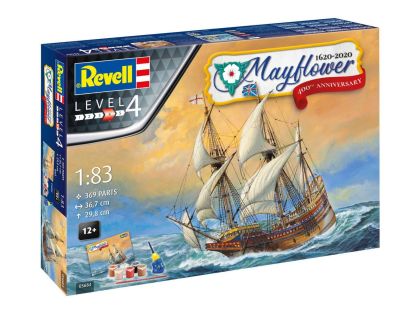
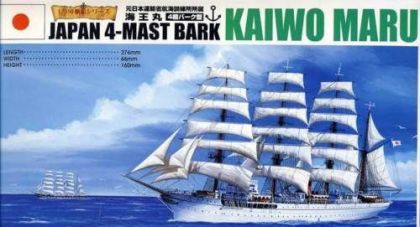
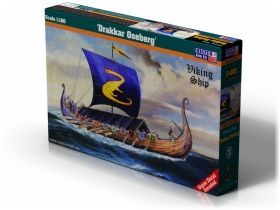
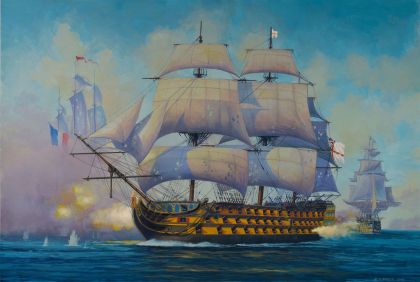
The early medieval era is represented by the Oseberg longship, the age of discovery by Mayflower, the golden age of sail by ships of the line such as HMS Victory and Wasa, later centuries by the barque Gorch Fock and a Cossack chaika. Each period brings a different hull form, a different sail plan and a different palette.
Standing and running rigging is half the work on a sailing ship. Start with one or two masts — a longship or a chaika is forgiving; a fully rigged three-decker is a project for long winter evenings. The instructions give the order in which lines are tied, and it pays to follow it exactly.
HMS Victory in the larger boxing passes half a metre with the bowsprit fitted, while smaller scales are content with a shelf. Sailing ships want a plinth with a nameplate and a dust-tight case, because rigging is miserable to clean.
Fine railings and metal detail come from ship photo-etched parts; steamers and warships are grouped under ship model kits.