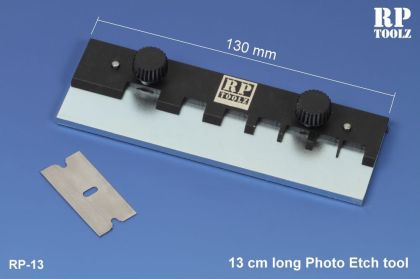
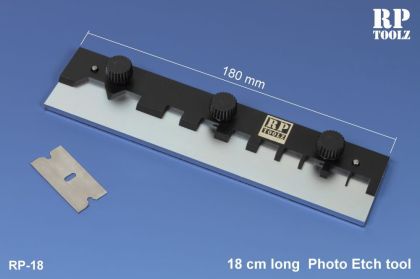
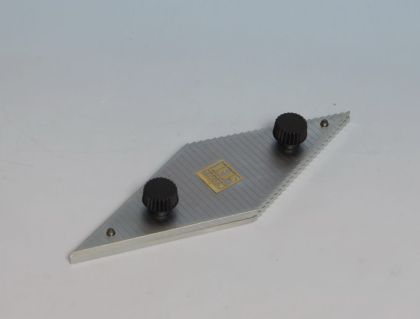
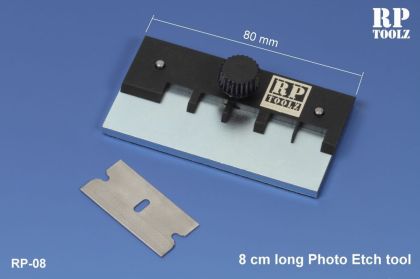
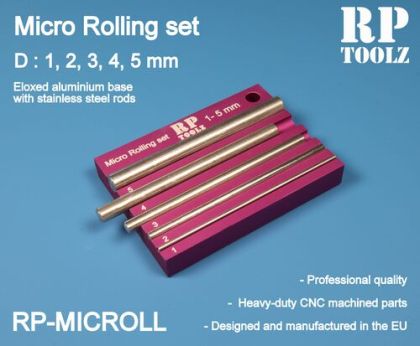
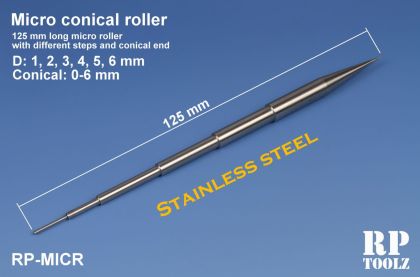
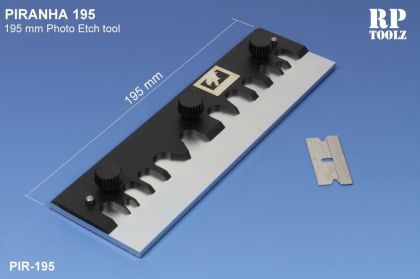
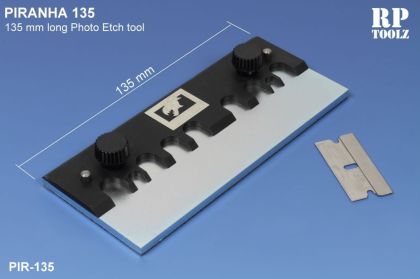
Bending tools and jigs shape the stock in your hand: thin metal sheet, wire, tube and strip. Rolling bars turn flat material into an arc of constant radius, conical mandrels handle a tapered form, and stepped tools offer several diameters in one body. Beside them sit wire bending jigs for forming eyes, handles and grab irons to a repeatable shape, and sliding squares that hold a part at a true right angle while a joint sets. Which tool you want depends less on the material than on the shape you are after — a constant arc, a taper, or twenty identical bends.
Fingers are not enough for a curve. Sheet bent by hand has an uneven radius and wire remembers the spot where the pliers gripped it. A jig spreads the load along the whole length and the result is symmetrical, which is why rolling bars are unavoidable for anything meant to be round: engine cowlings, fire extinguishers, hoops, tyre bands, track guards, funnels and tubular frames.
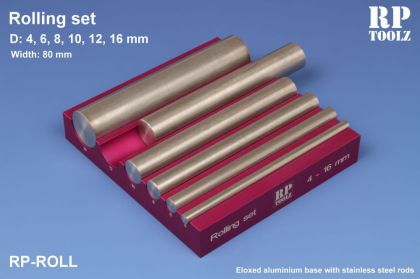
Two or three rollers with the material drawn between them. Setting the gap decides how sharply the sheet curls, and repeated passes bring the radius down step by step. It is the most reliable way to get a clean cylinder with no kink in it.
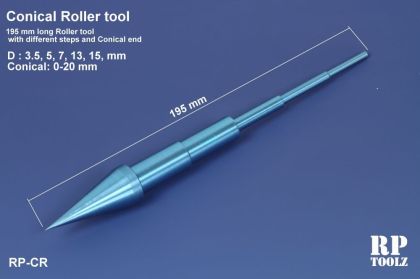
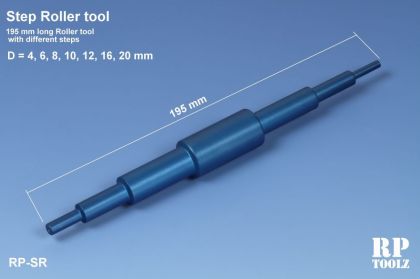
A conical mandrel produces a form that tapers along its length — a spinner cover or a funnel being the obvious cases. A stepped tool carries several diameters on one body, so a radius is picked without resetting anything and even a short part can be formed.
These have shaped grooves and pins that bend wire the same way every time. When one model needs twenty identical grab handles, it is the only way to avoid having twenty slightly different ones.
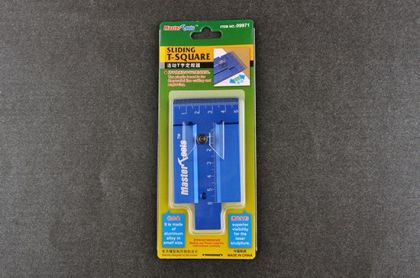
A sliding square and a backing plate hold a part at ninety degrees until the joint has set. They earn their keep on boxy structures, interiors and any combination of styrene stock that would otherwise twist as it is glued.
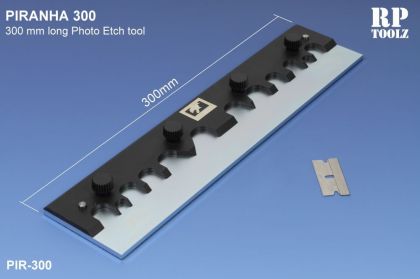
Formed details are routinely combined with brass from aircraft photo-etch sets, where shaping thin sheet is daily practice.