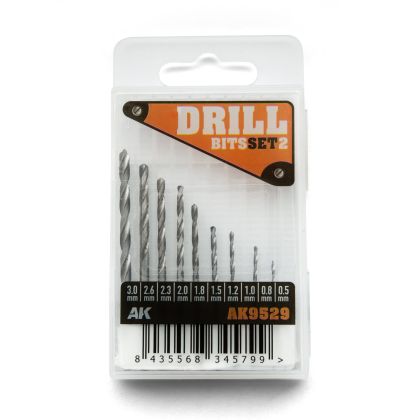
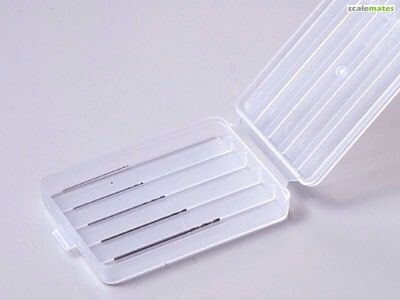
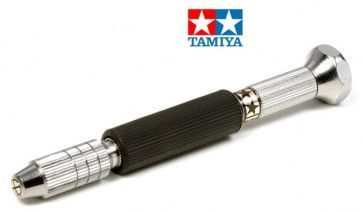
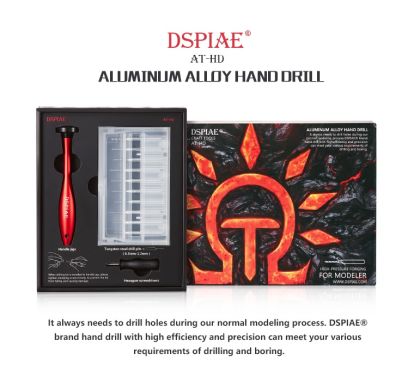
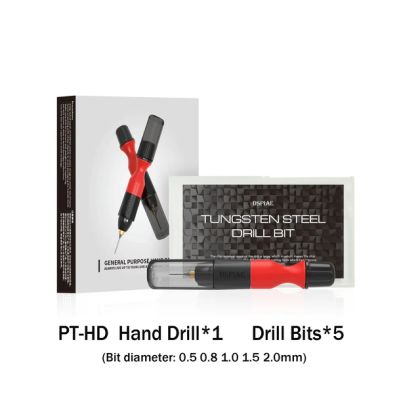
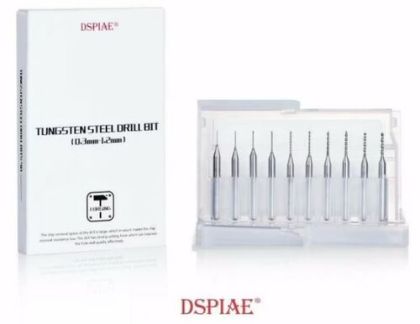
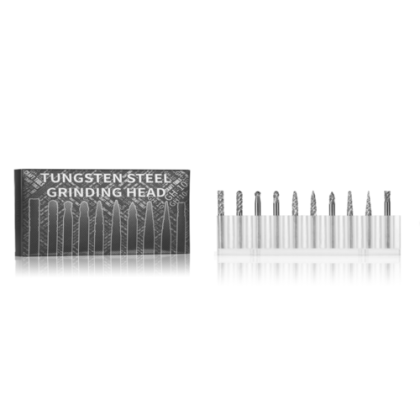
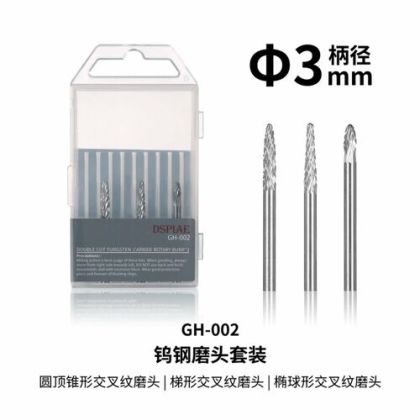
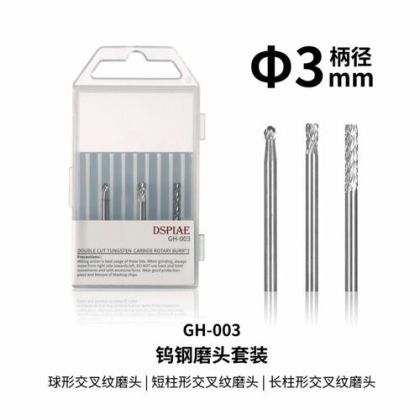
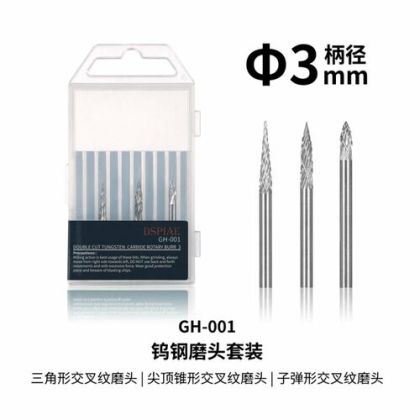
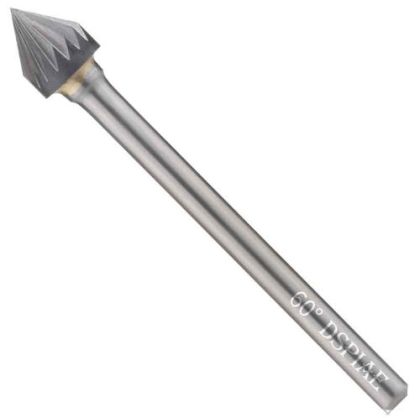
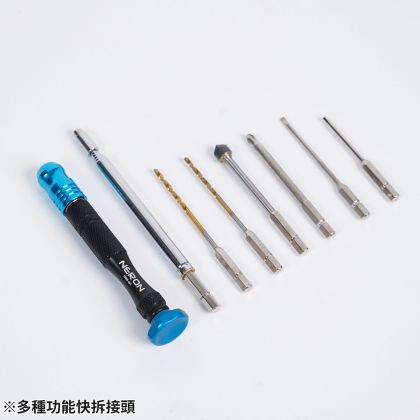
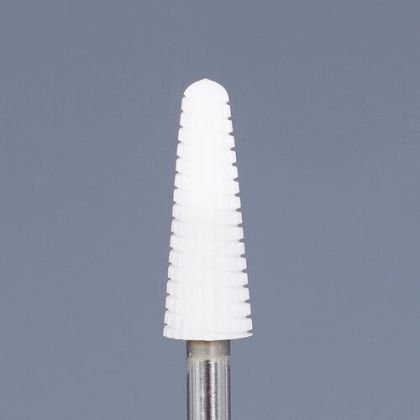
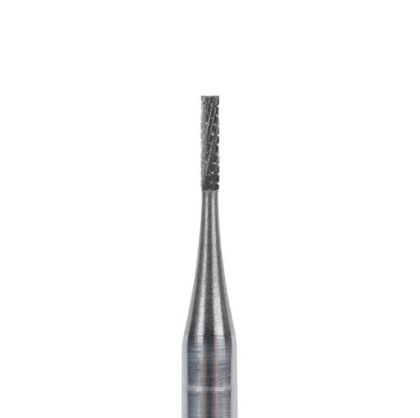
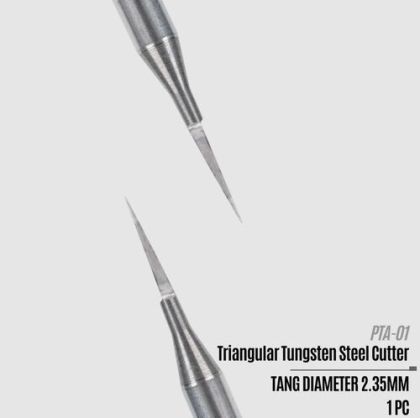
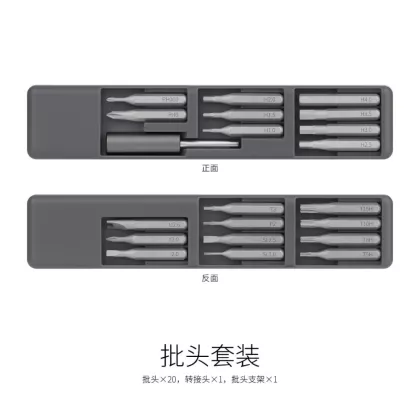
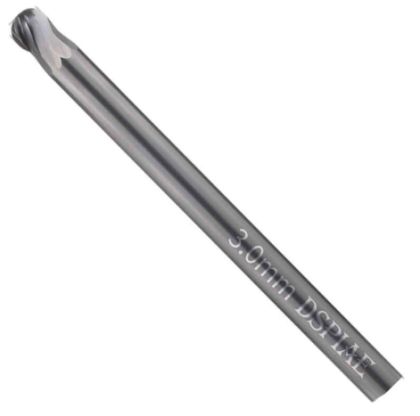
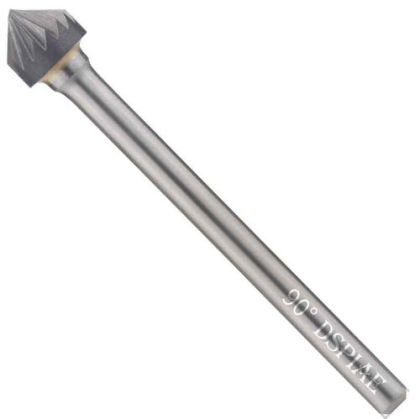
Drilling is one of those operations that moves a model forward for very little effort. Opened gun muzzles, hollowed exhausts, lightening holes, a seat for a pin or a wire aerial — small things that separate a model built straight from the box from one that has been taken further. This section holds pin vices, drills from the finest diameters upwards, micro drills and the burrs and heads used for milling and reshaping an opening once it is there. Holder and bit are bought separately, so it is worth knowing which of the two is limiting you.
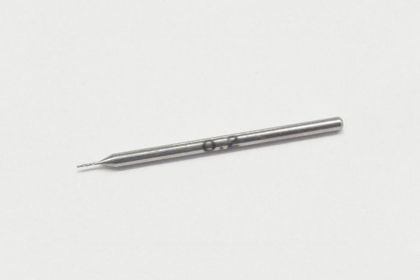
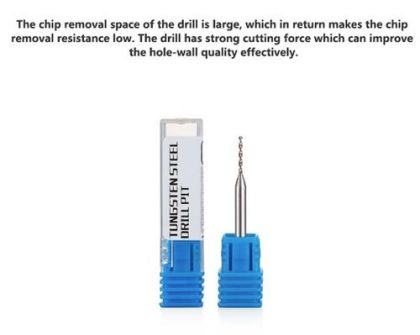
You need two things: something to hold the bit, and the bit itself. Holding is covered by pin vices for work by feel and micro drills for drilling in series. The cutting tools sit in drill bits and tools for micro drills, which also covers burrs and grinding heads for shaping an opening.
Modelling diameters start around a tenth of a millimetre and most work on a model happens between 0.3 and 1.0 mm. Do not estimate — measure the wire or tube you intend to fit with a caliper from rules and measuring tools. Drilling tight and then easing the hole open is always safer than starting with a large bit.
Fine bits break under pressure rather than from work. Turn a pin vice smoothly and let the tool cut. For powered drilling choose low speed — high speed softens styrene and the material winds around the bit instead of being cleared.
A bit will skate across a smooth surface. Make a dimple with a point or a needle exactly where the hole belongs. Without one the tool wanders and the hole ends up beside the mark, usually in plain view.
Styrene drills easily. Resin is dusty and its dust is a health hazard, so extraction or wet working is in order. Metal and hardened parts want tools with a tougher edge and a much slower feed.
A drilled edge is always eased afterwards — fastest with a tool from sanding or a thin file.