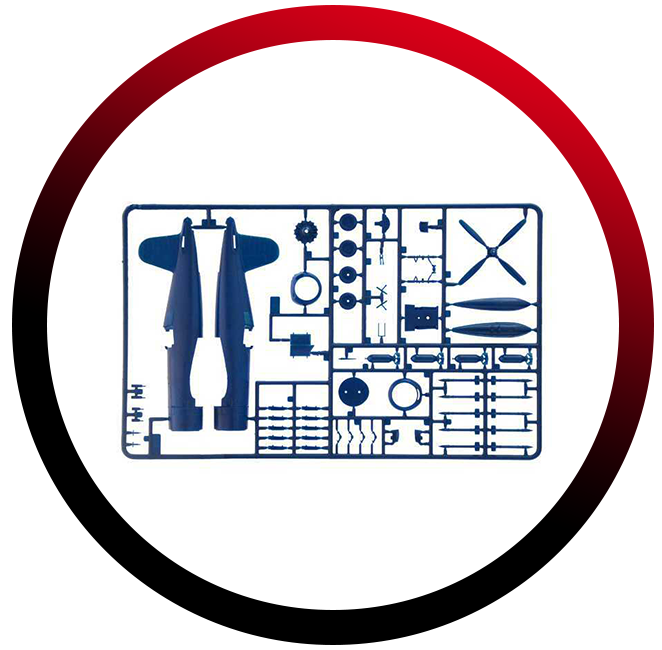
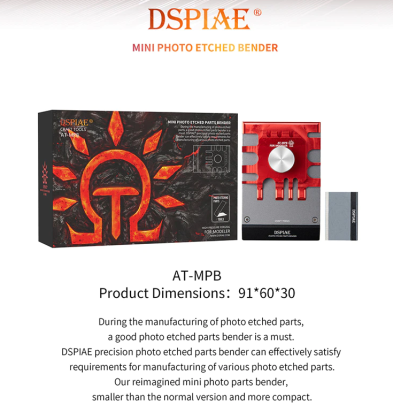
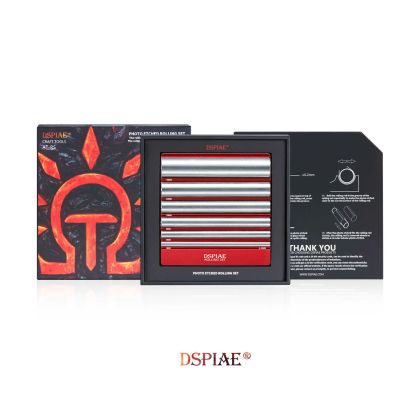
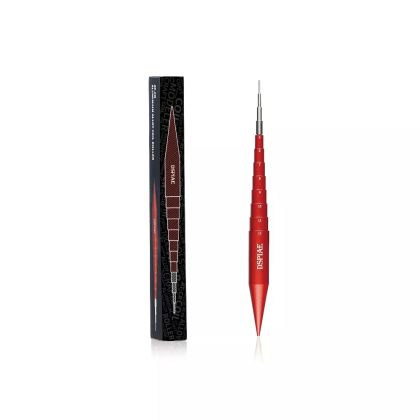
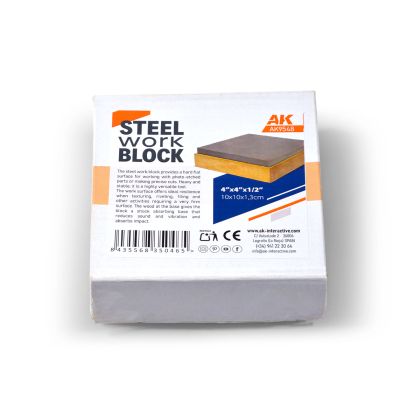
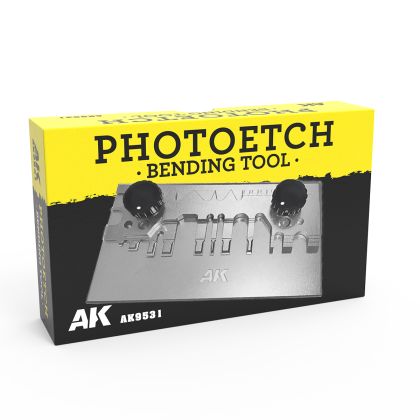
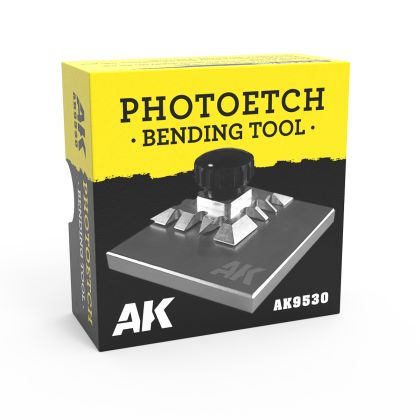
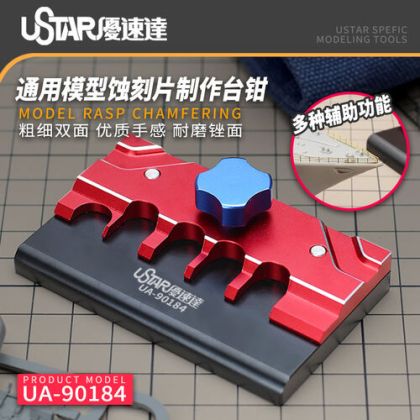
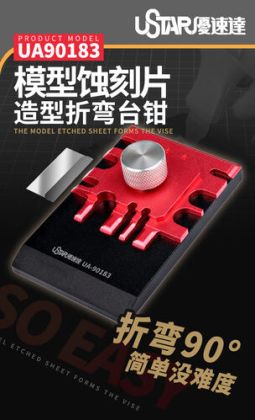
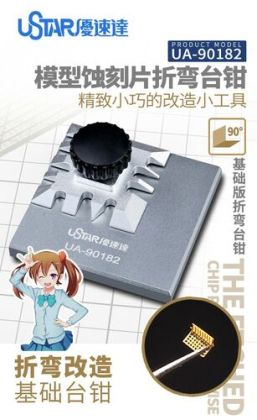
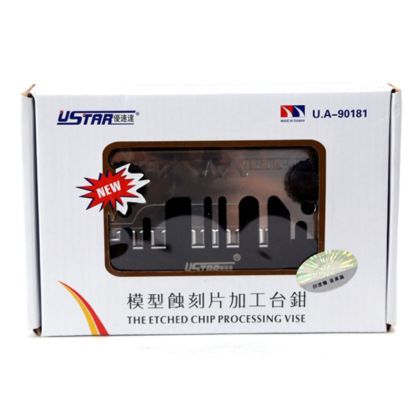
Photo-etch is thin metal fret carrying finely etched detail — grilles, seatbelts, brackets, instrument panels, trims. To turn a flat fret into a three-dimensional part it has to be folded, precisely along the etched score and to a sharp angle. Fingers cannot do that. This section holds the tools that can: benders with a clamping bar, bending pliers with flat jaws, rolling sets and steel backing blocks, scissors for the fret and the various supporting jigs that go with them.
The fret is usually a few tenths of a millimetre thick. Material like that bends wherever you press it — a problem, because the fold has to be in the score and nowhere else. A bender clamps the sheet between two faces right at the fold line and holds the rest of it captive. You therefore bend only what is free, and the resulting edge is straight along its whole length.
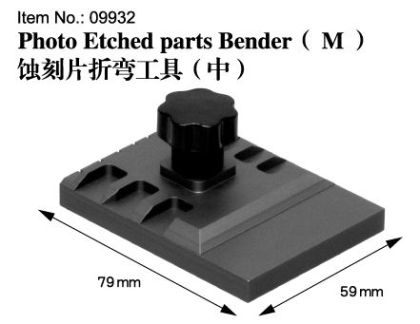
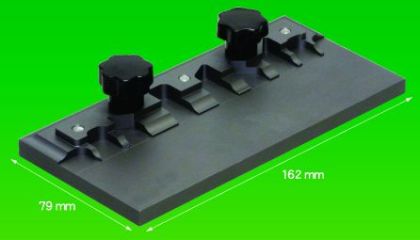
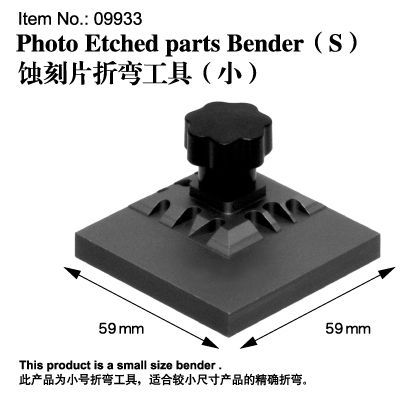
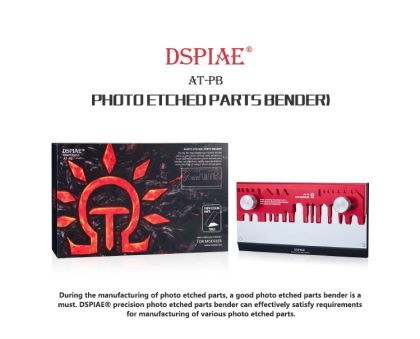
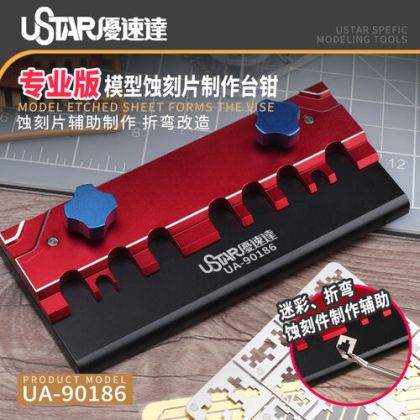
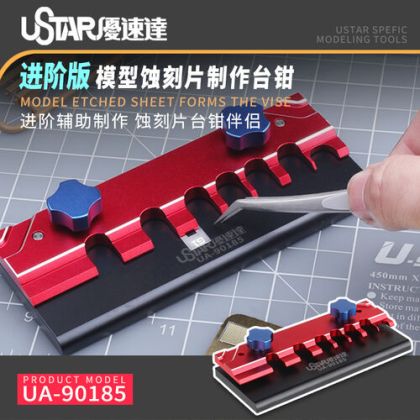
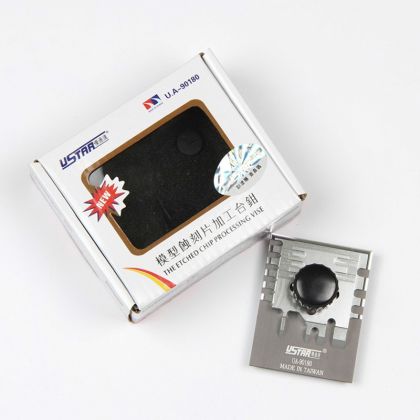
The core tool of the section. The fret goes under the bar, the bar is tightened, and the free part is lifted with a blunt blade or an arm. They come in several lengths — short ones for small parts, longer for strips and long trims. The detail is in benders.
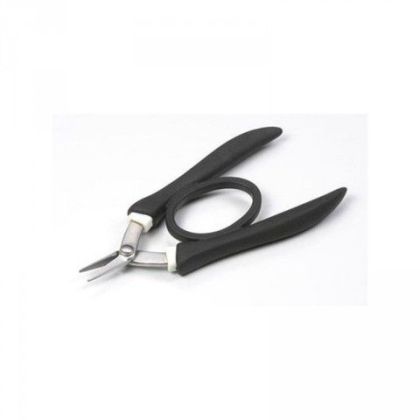
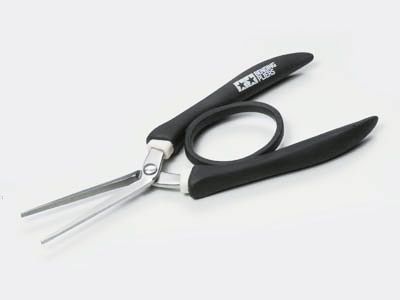
Wide, unserrated flat jaws, so the fret carries no impressions afterwards. They suit folds away from a bender, small parts and adjusting an angle after the main fold. They are in flat-jaw pliers.
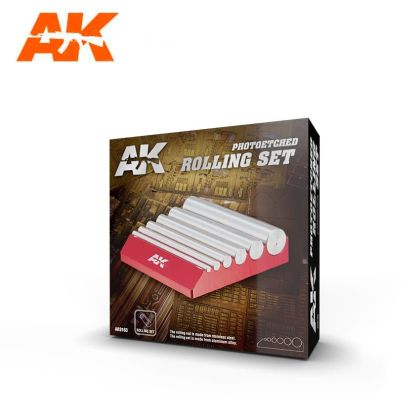
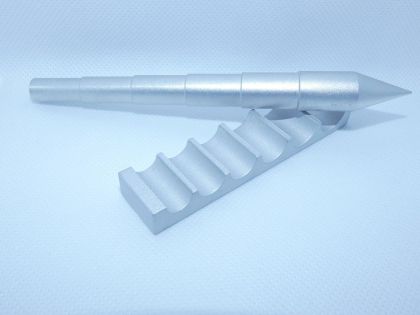
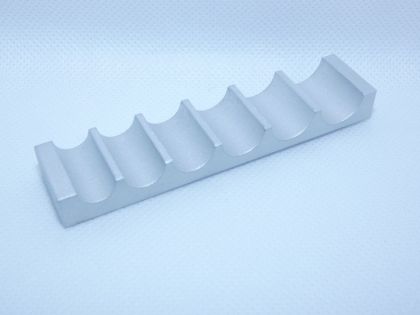
When a fret has to become a cylinder or an arc, you need rollers and shaped blocks. Steel backing plates belong here too, used for forming and for work with a small hammer. All of it sits in other aids.
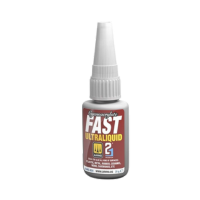
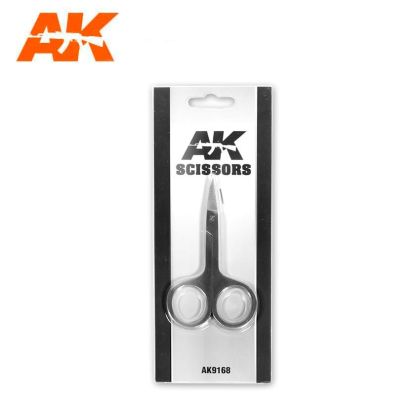
Separate the part with etch scissors or by cutting against a hard backing, never by snapping it off. Always fold towards the side carrying the etched score, because that is what decides where the metal collapses. Work with flat-jaw tweezers and under good light. The finished part is attached with cyanoacrylate, since metal cannot be welded with solvent.
Basic forming of sheet and other stock is also served by tools from modelling tools.