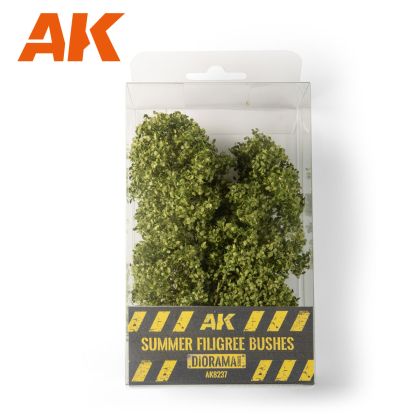
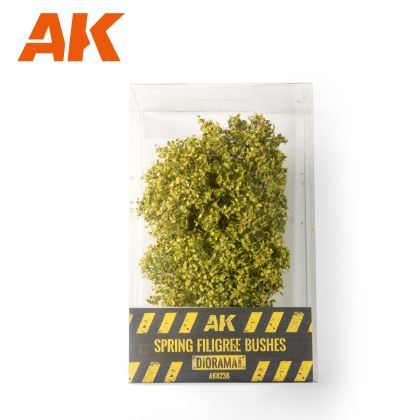
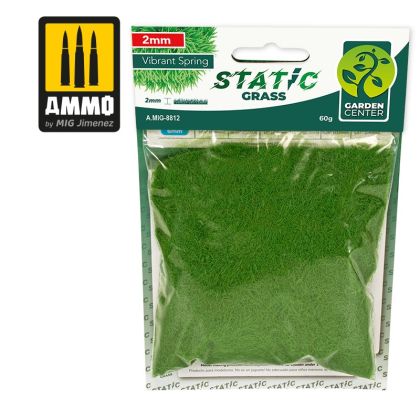
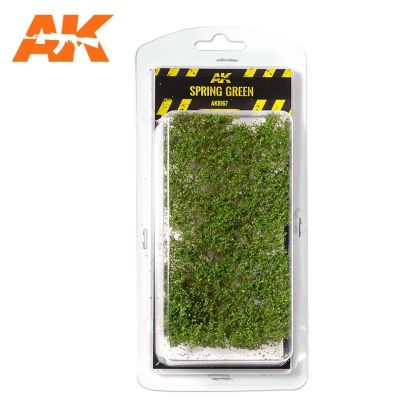
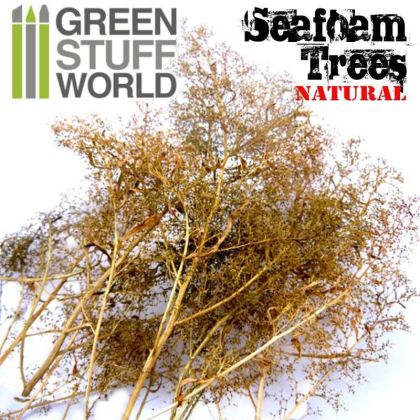
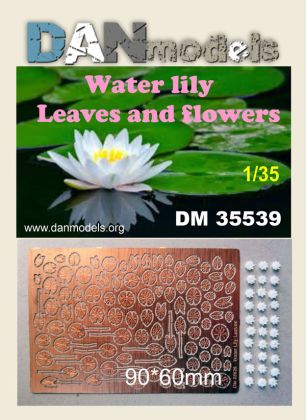
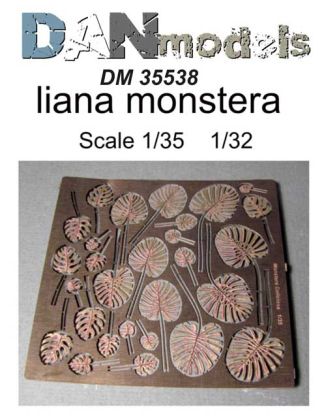
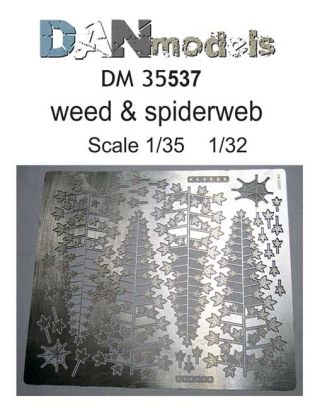
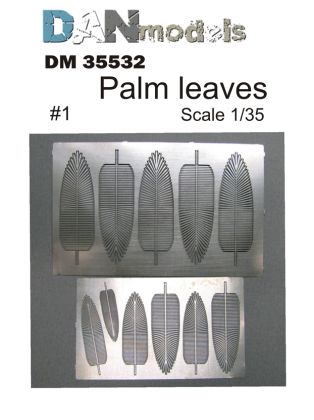
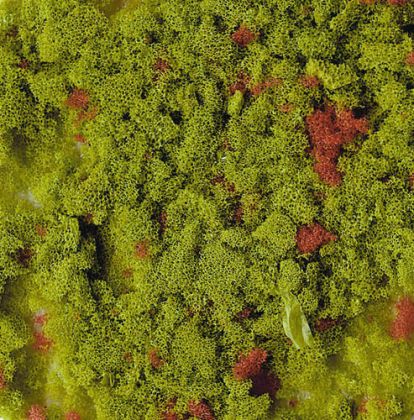
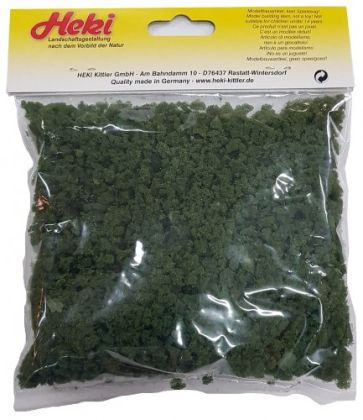
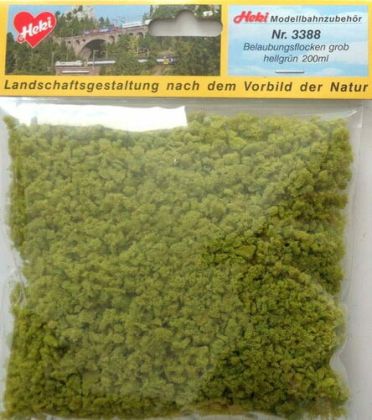
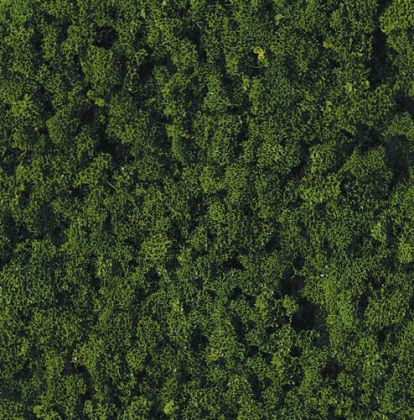
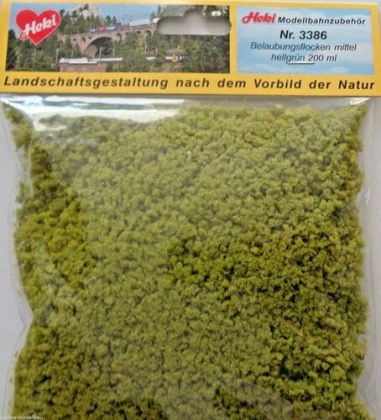
Scenic accessories are the layer that changes bare groundwork into landscape: grass flock and matting, static grass, ready-made tufts, leaves, moss, foliage, scatter gravels, trees, shrubs and plants in etched brass or semi-latex. The choice runs from fine dust for the edge of a track to 1:35 palm fronds and spruces over thirty centimetres tall.
The text below gives the order to work in, layer by layer, and how to combine the individual materials.
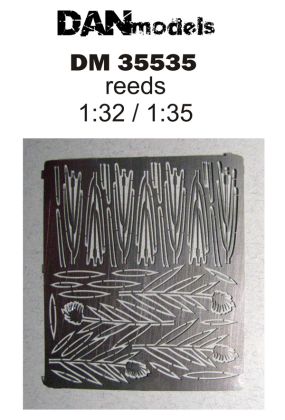
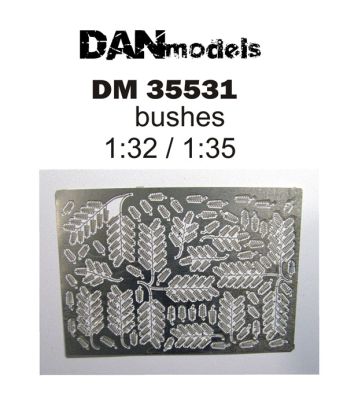
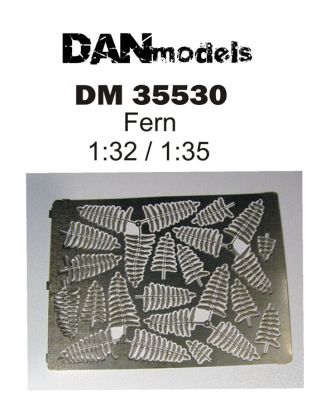
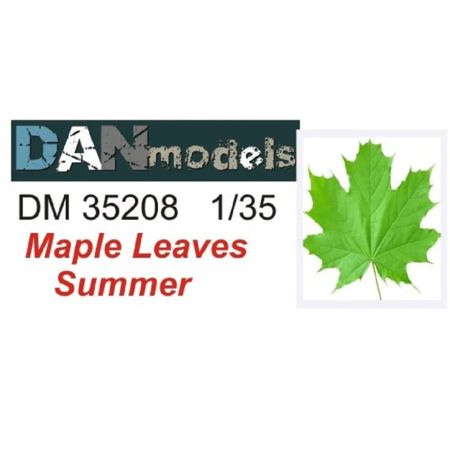
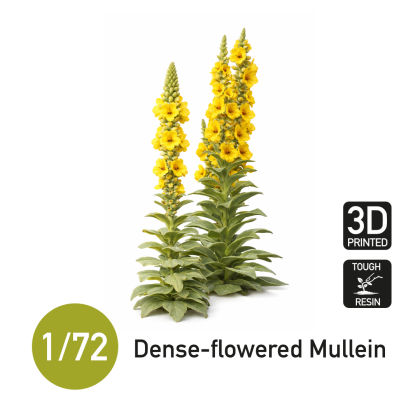
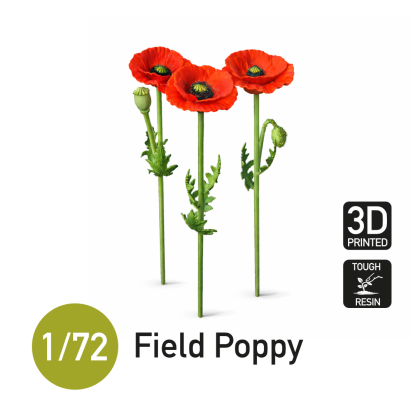
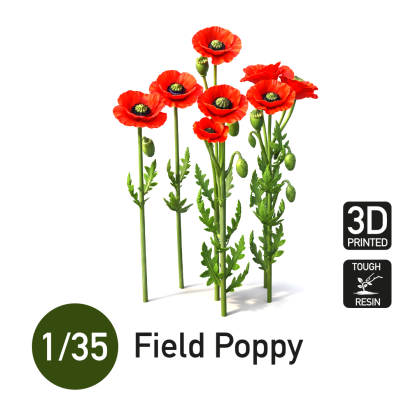
These are the materials that stand in for living nature and for the ground underfoot. Loose materials - flock, microflock, crushed foam, gravel and sand - make the surfaces. Finished items such as tufts, shrubs, hedges, ferns and trees make height and shade. Thin leaves in photo-etched brass, paper and semi-latex handle detail no loose material could ever reach: a single maple leaf, a vine tendril, the edge of reeds above water.
Groundwork and soil colour first, then scatter materials for tracks and trodden areas, then the grass cover, and height only at the very end. The other way round ends with glue splashed over finished tufts, and tufts turning grey.
Static grass applied with an electrostatic tool gives a level area with the fibres standing upright. Grass tufts on a self-adhesive backing settle copses and verges with no preparation at all. Grass foliage and matting cover large areas quickly and work as a base under the more detailed layers.
Two to three millimetres matches mown grass in 1:35 and lush growth in 1:72. Five to six millimetres is an uncut verge, ten millimetres is already a reed bed. One single fibre a centimetre long ruins the scale of a whole scene, so choose length against a figure rather than by how it looks in the bag.
Once the greenery is in place, dust pulls the whole scene together. Finely rubbed weathering products put the same shade on the grass as on the track and the mud on the wheels, and the scene stops looking like an assembly of separate materials.