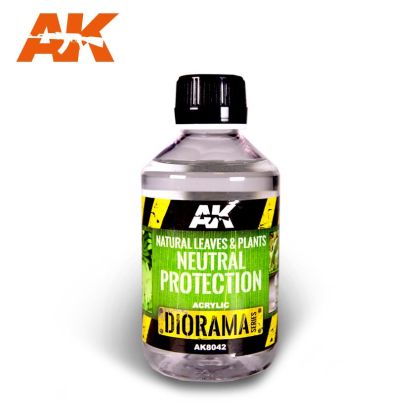
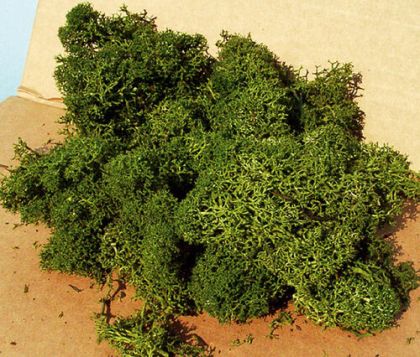
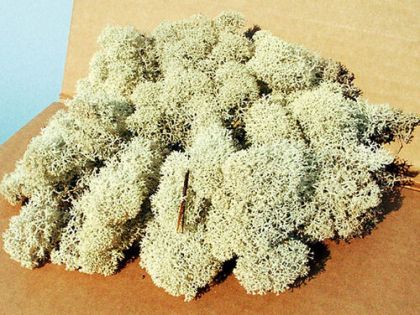
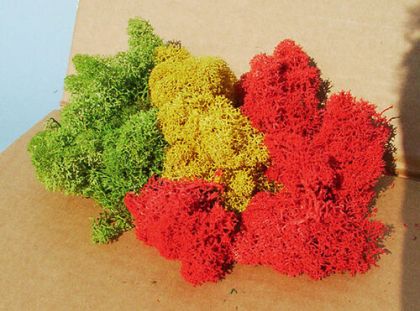
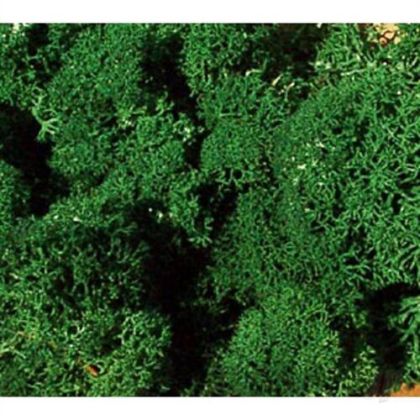
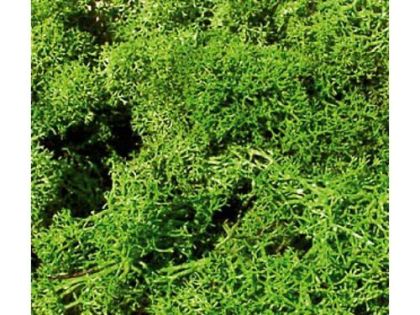
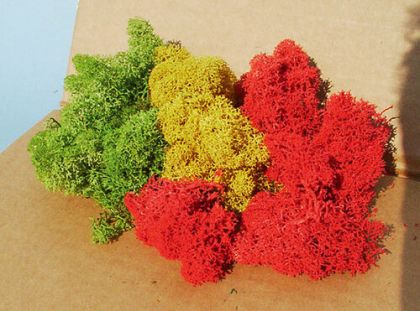
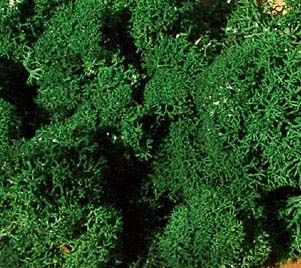
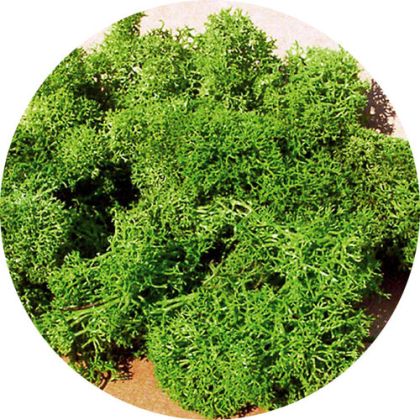
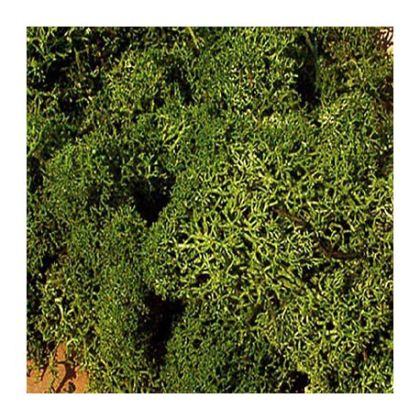
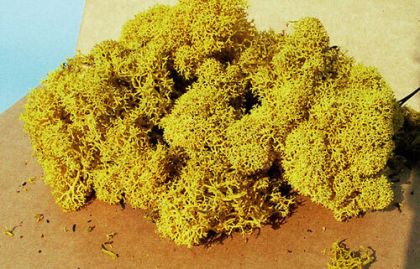
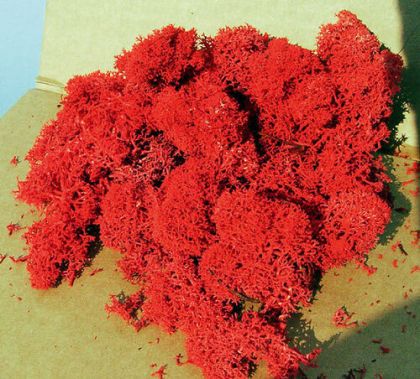
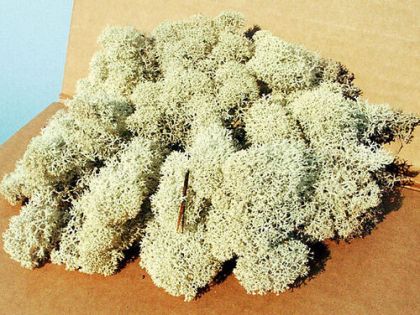
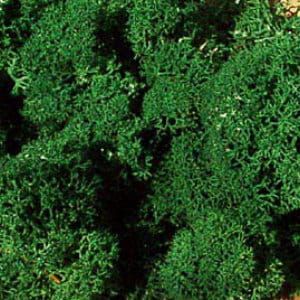
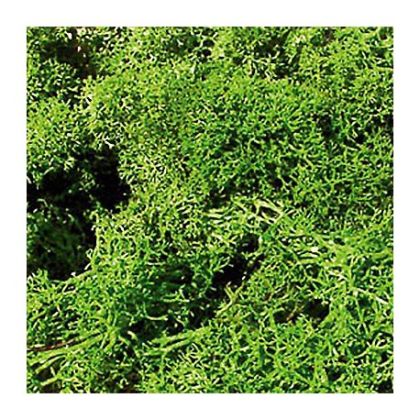
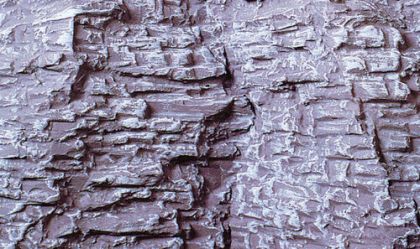
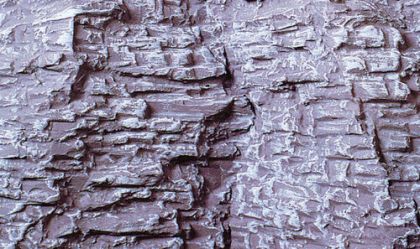
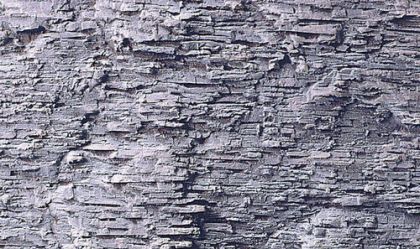
This is where scenic stock that fits no established group ends up, and for groundwork there is a great deal of it. Rock can be built from scratch: moulds for outcrops, boulders, strata and a creek bed, modelling plaster and plaster cloth, or ready-cast faces and boulders that only need bedding in and painting. Greenery comes as natural moss and lichen in green, grey, yellow and red shades, in packs from thirty grams up to two hundred and fifty; surfaces come as sandstone, limestone and slate rock foil in 40 by 18 and 80 by 35 cm sheets and as litter and gravel mats 75 by 100 cm.
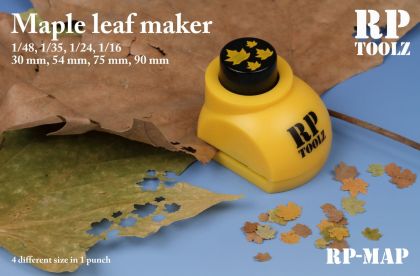
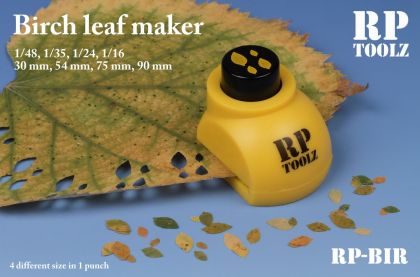
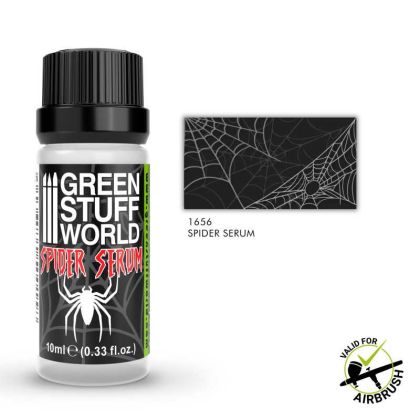
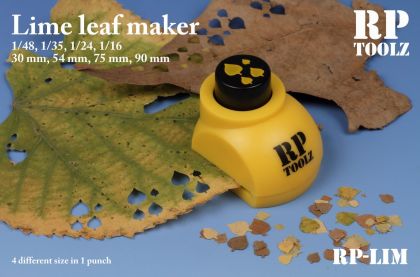
The rest of the listing goes to the small print of a scene: road striping pens and a stripe remover, H0 concrete panels and loading areas, punches for maple, lime and birch leaves, modelling clays, resin stalactites, pollen in several colours and tools for spinning cobwebs. Complete kits for landscape, road, water and trees are here too, for anyone who would rather start from one box.
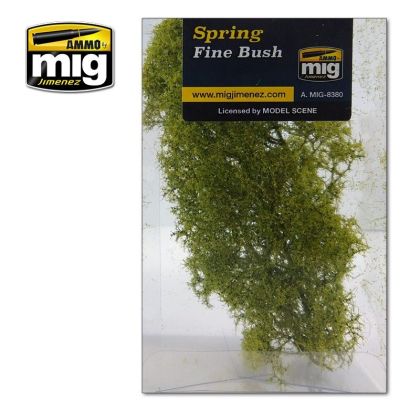
Mosses and lichens are used two ways: whole as low scrub in the smaller scales, and torn up fine as growth in crevices and on stone - though for complete, recognisable plants the resin and 3D-printed model vegetation is the better choice. Rock foil is bonded over shaped groundwork and, once painted, stands in for a whole face, much as broken model cork does. Both are worth finishing off with ground surface and greenery from scenic accessories.
Casting rock is straightforward: plaster goes into the mould, the casting comes out once set and is bedded onto the groundwork, joints are made good with plaster cloth and the whole face is coloured with thin washes. Anyone who would rather skip the casting takes the ready-made rocks instead. Modelling clay and the leaf punches handle the parts of a scene that repeat, and pollen is dusted on dry for blossom and settled powder.