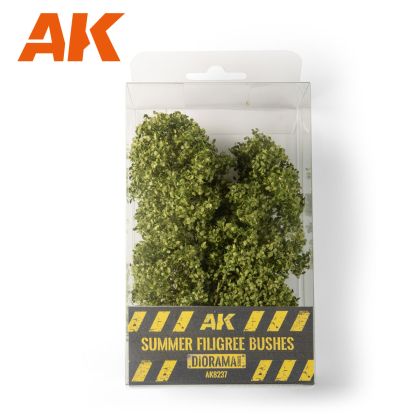
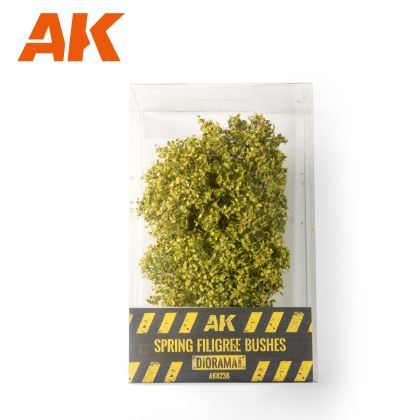
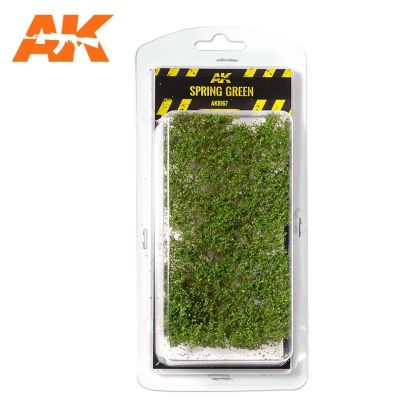
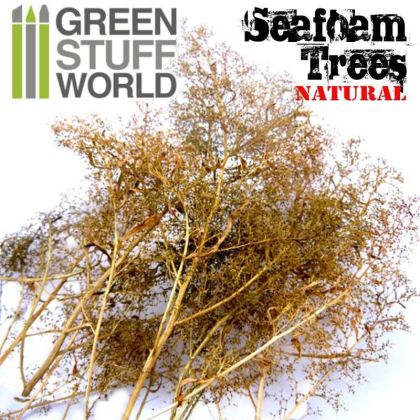
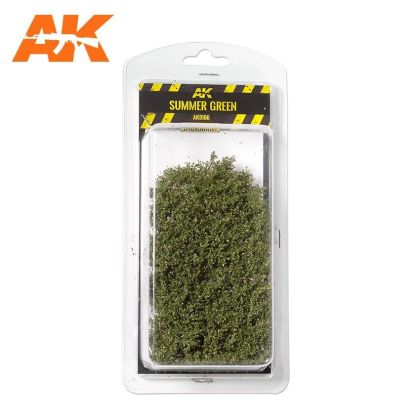
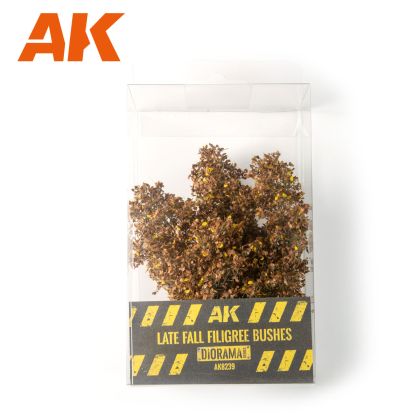
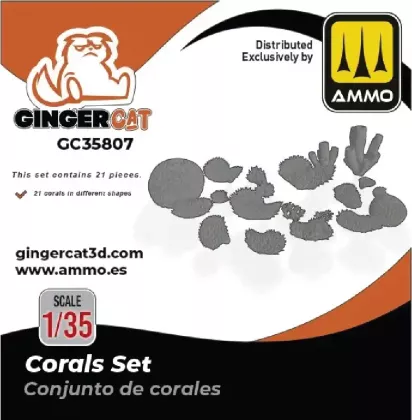
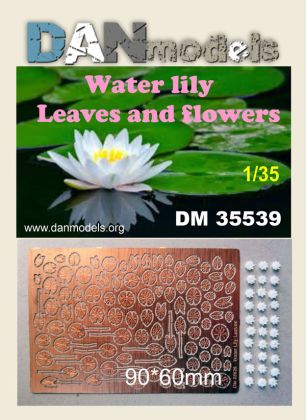
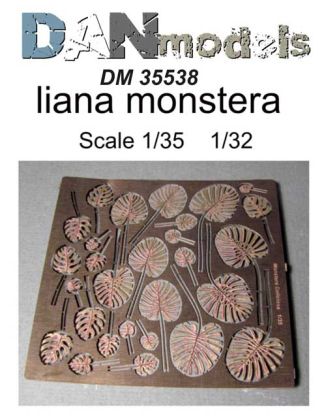
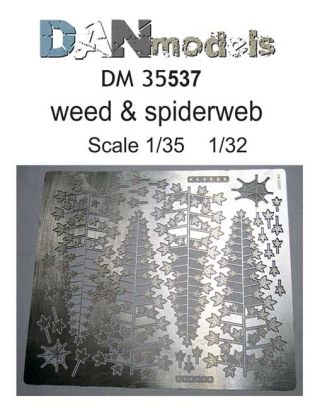
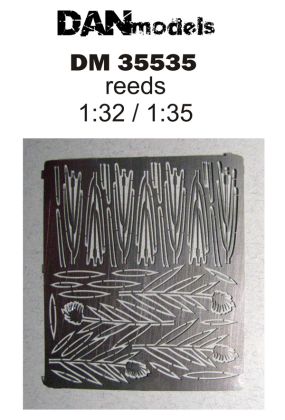
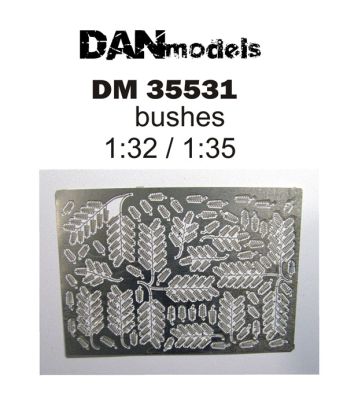
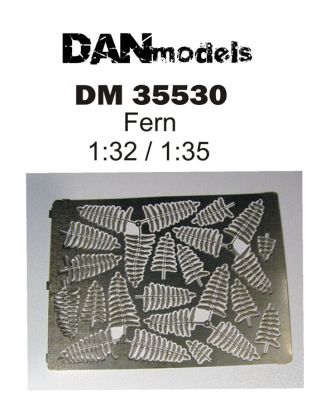
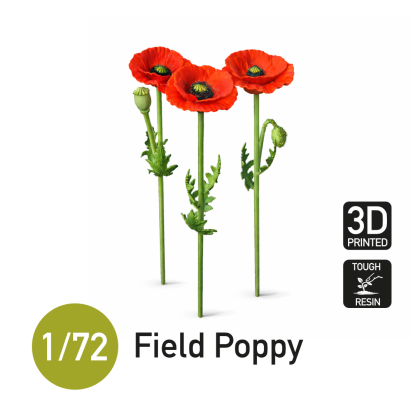
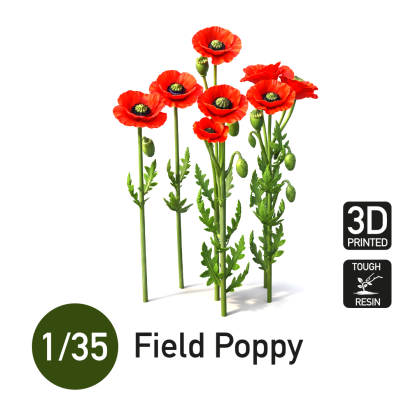
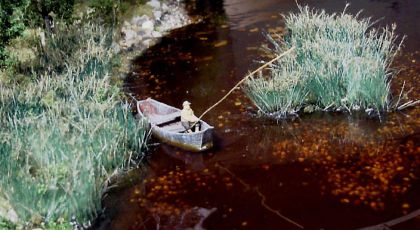
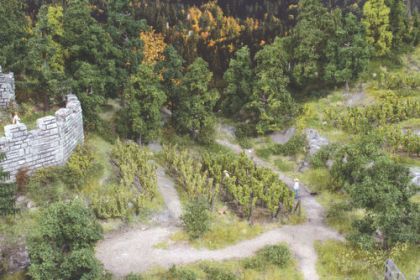
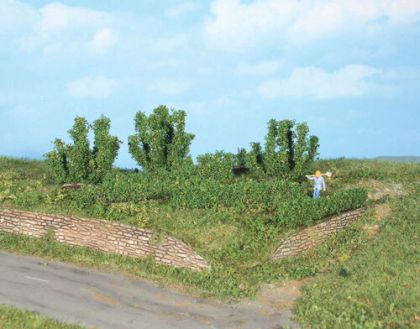
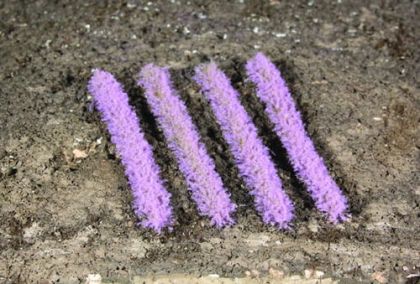
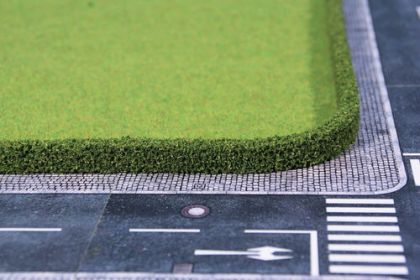
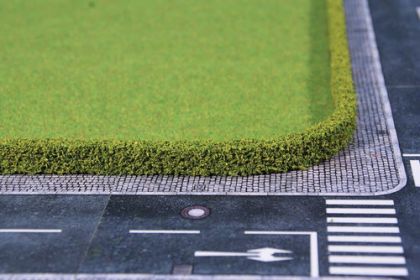
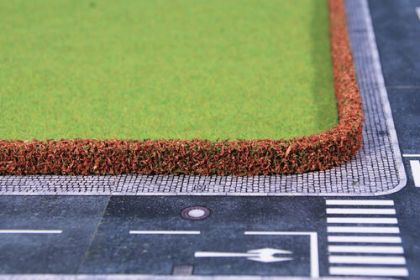
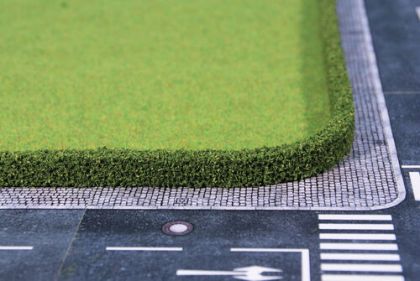
Low vegetation covers everything that grows below a figure's waist: ready-shaped bushes from seven millimetres to six centimetres, hedges of thuja, privet and barberry including flexible strips half a metre long, lavender clumps, grape vine, sweet flag and reeds, ferns and field poppies. Beside the scattered and pre-shaped pieces there are etched brass and semi-latex leaves for the finest work.
How each type is seated, and why the factory green needs toning down, is described further down.
Low growth is the layer between grass and trees - and it is the one most often missing. A scene with grass and a tree but no scrub looks like a park, whereas a few bushes at the foot of a wall, a hedge round a garden and reeds by the water turn it into a real place. The range covers two different approaches. Finished pieces, meaning shaped bushes and hedges on a backing, are simply glued down. Etched and semi-latex sets are leaves on a carrier sheet or film: each one is cut free, painted and placed with tweezers on its own.
A bush two centimetres tall is low scrub in 1:35 and a mature tree in 1:72. Always stand a figure of the right scale beside the material and decide from that. The commonest fault on dioramas is greenery two classes larger than it should be.
Shaped bushes and hedges are quick and fill an area very well. Etched leaves and semi-latex sets ask for hours of work, but you end up with a plant whose outline is right, at a level of detail that earns its keep in a large scale. The sensible approach is to use both: finished pieces at the back, handwork at the front near the figure.
Factory green tends to be more saturated than nature. A very thin mist of ochre or grey sprayed from above helps: it leaves the lower growth dark and lightens the upper leaves. Dust from below does the same job in reverse, tying the plant to the ground it stands on.
When there is an empty patch on a scene and nothing obvious to put there, low greenery is usually the right answer. One bush, two tufts and a few leaves on the ground achieve more than another crate; the rest of the landscape comes from scenic accessories.