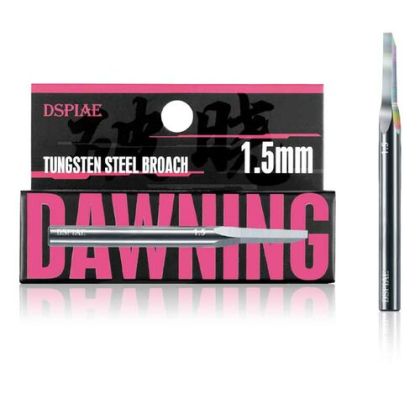
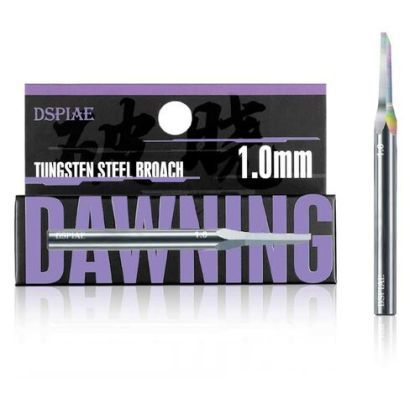
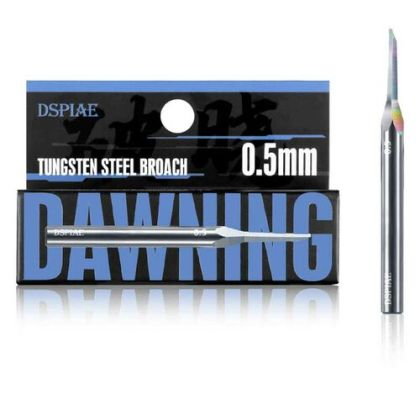
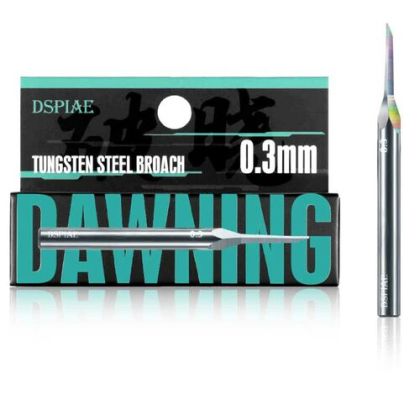
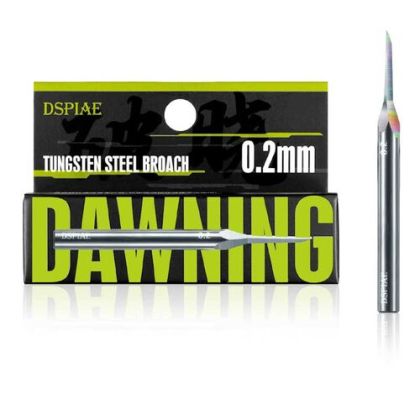
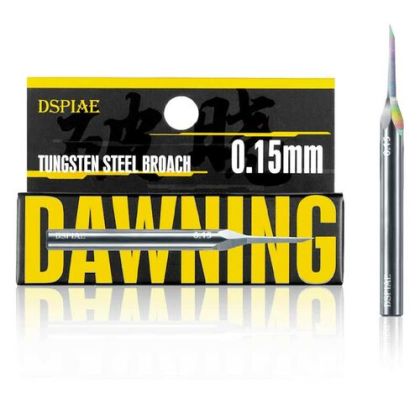
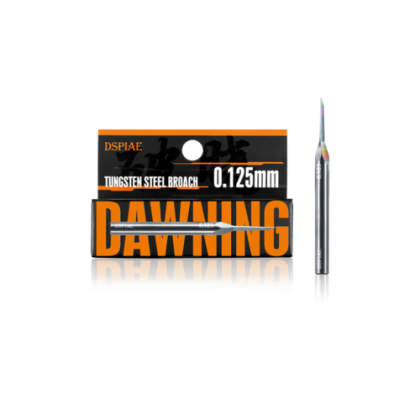
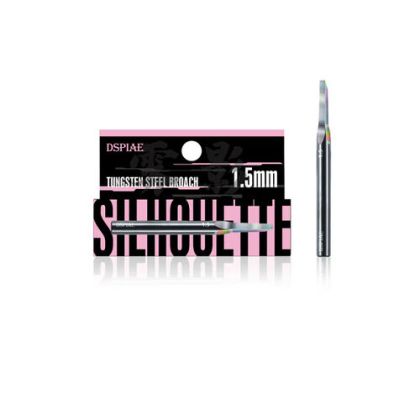
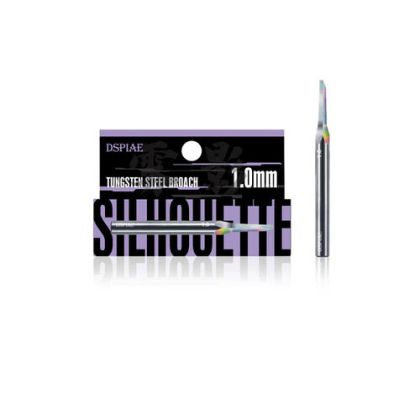
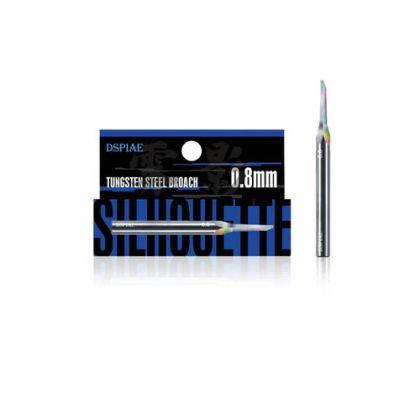
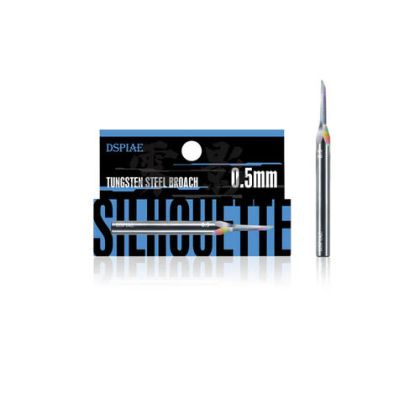
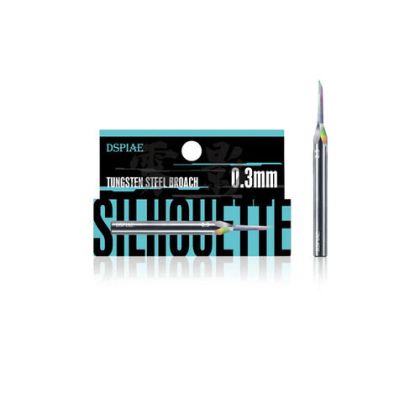
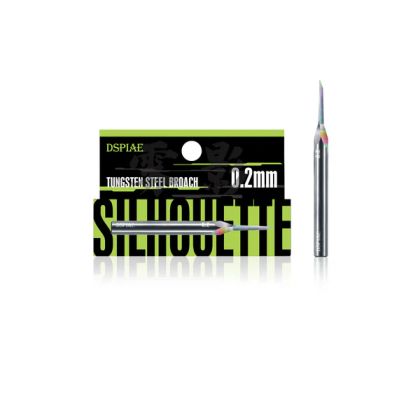
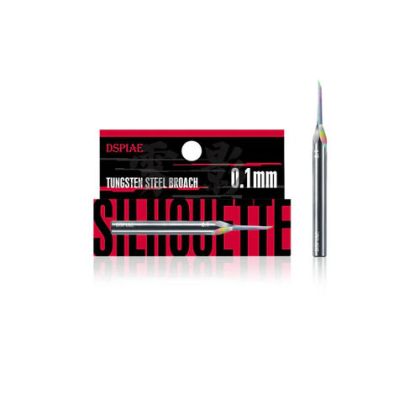
A blade is a consumable and not part of the tool — a principle that saves more parts than any other. A blunt edge has to be forced, it slips, and it tears the plastic around the cut. The category covers replacement blades for scalpels and hobby knives in the common shapes, blades for modelling saws in thicknesses measured in tenths of a millimetre, interchangeable tips for panel line tools, and carbide pull scribers in diameters starting from fractions of a millimetre.
An edge goes dull long before the eye can see it. The first symptom is not visual but tactile: you have to push into the cut. At that point the tool has stopped cutting and started shoving material ahead of itself, so the plastic beside the groove goes white and the edge raises a burr. The second consequence is safety — a blade you are forcing will slip in an unpredictable direction.
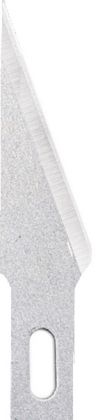
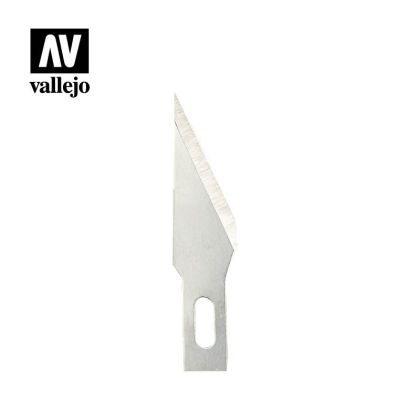
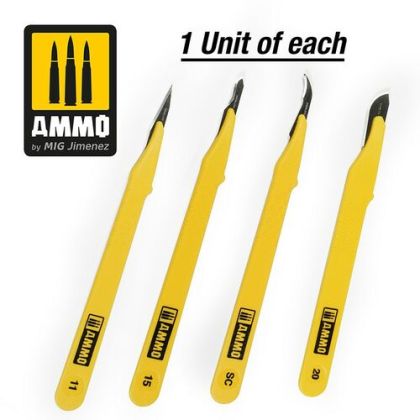
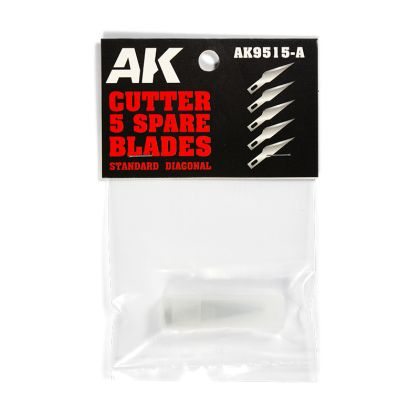
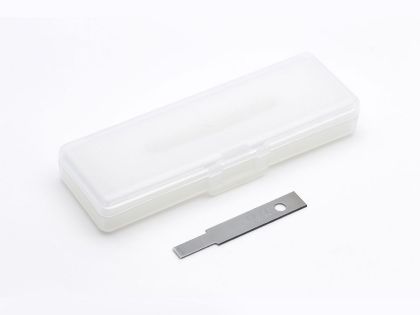
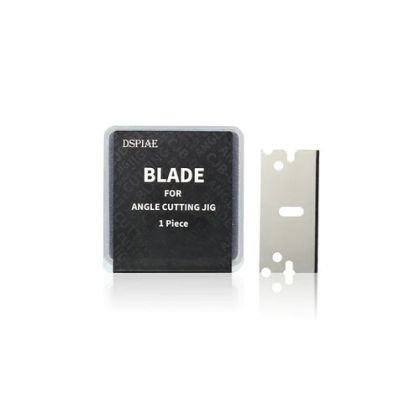
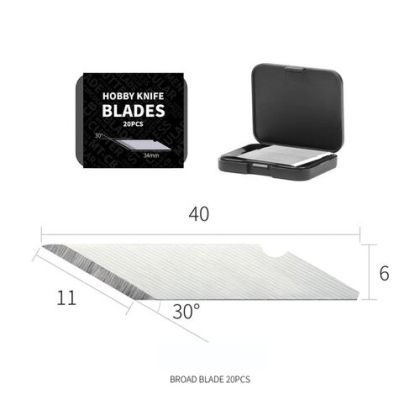
The common shapes are a pointed blade for fine cuts and detail, a curved one for drawn cuts, and an angled one for trimming a sprue stub. They are sold in multi-packs, because consumption is high. The handles themselves live in scalpels and knives.
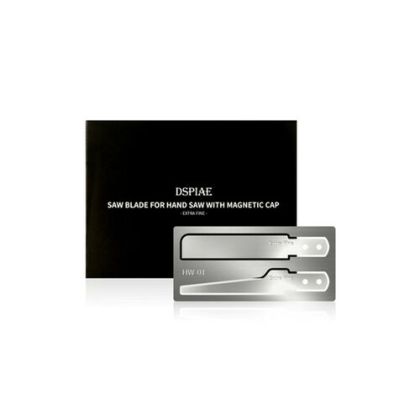
Thin steel plates, typically a few tenths of a millimetre on modelling saws. The thinner the blade, the narrower the kerf and the less material you lose. Tooth pitch is chosen by material — finer teeth for styrene and thin profiles, coarser for resin and heavier sections. The tools are in saws.
Small tips drawn across a surface to cut a line of a specific width. They start at hundredths and tenths of a millimetre and are consumable, because the point dulls. Fine diameters belong to small scales, heavier ones to large. They follow on from scribing and panel lines.
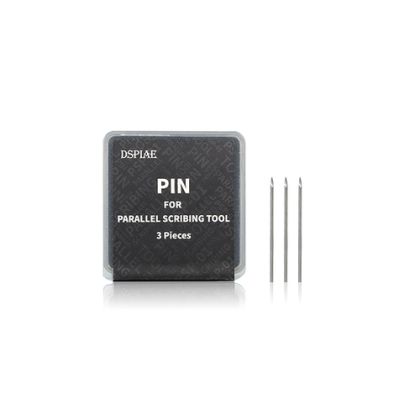
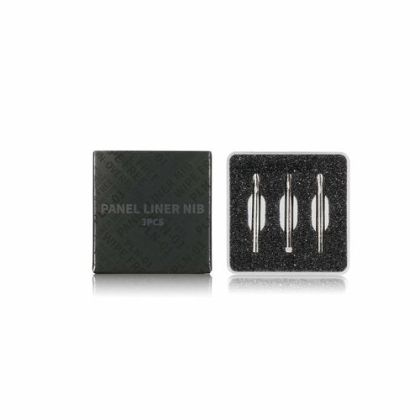
Tips for panel line tools, guide pins and the other small items that wear out first. Keeping a few at home means the work does not stop halfway through a build.
Never drop a used edge loose into a bin; use a closed container. Store new blades in their original packaging so they neither blunt each other nor pick up moisture. And do not try to sharpen them — modelling edges are so thin that regrinding destroys the geometry and leaves them worse than new.
If you mostly cut thin styrene profiles, it is worth looking at nippers and cutters as well, since they save the blade altogether.