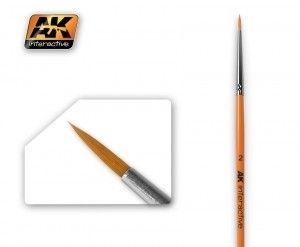
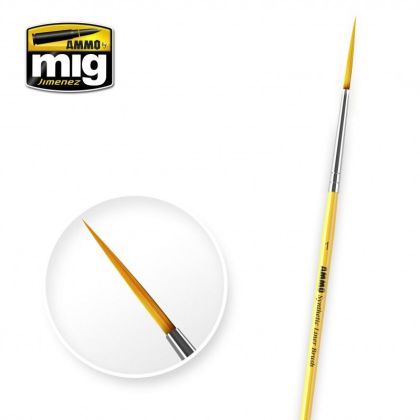
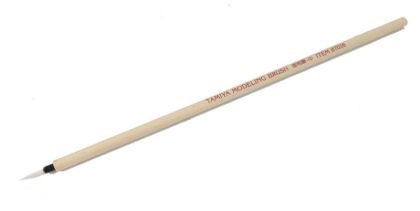
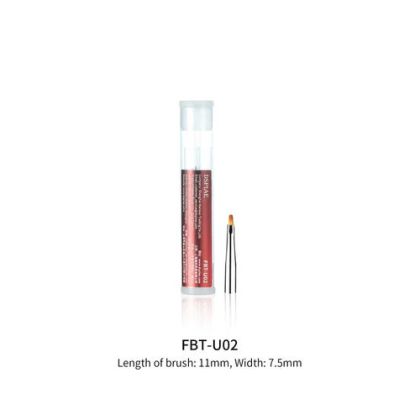
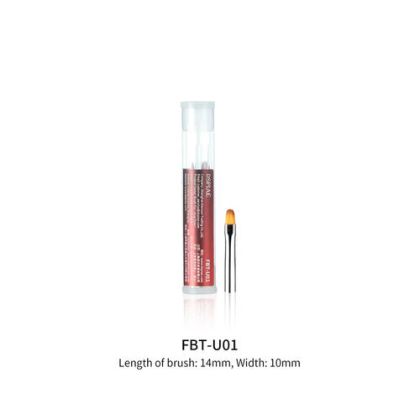
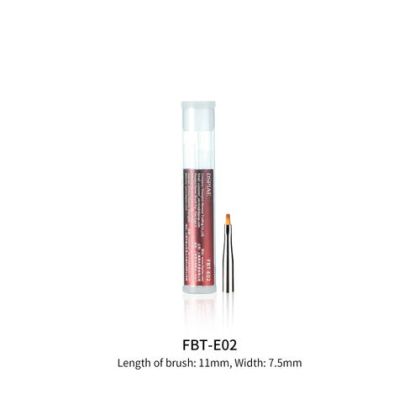
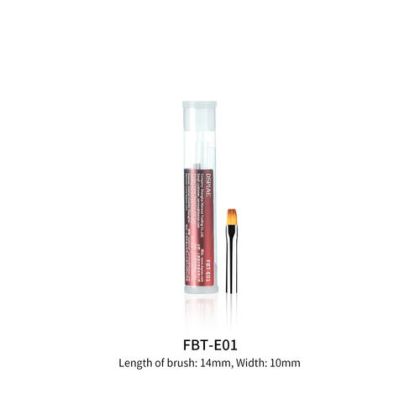
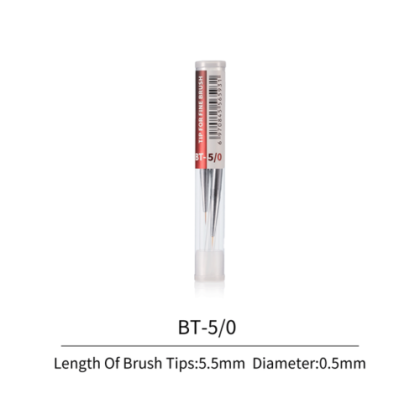
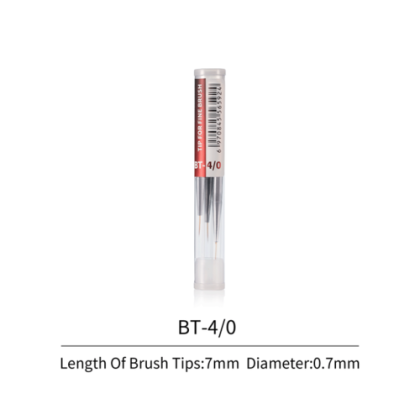
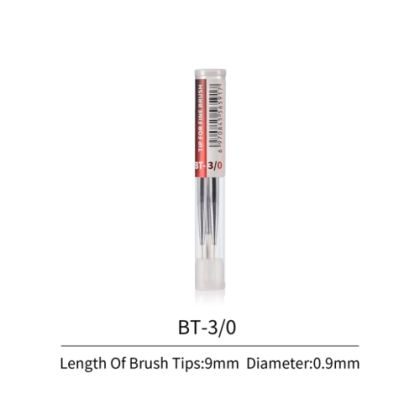
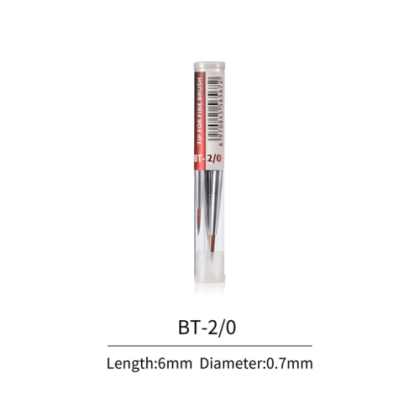
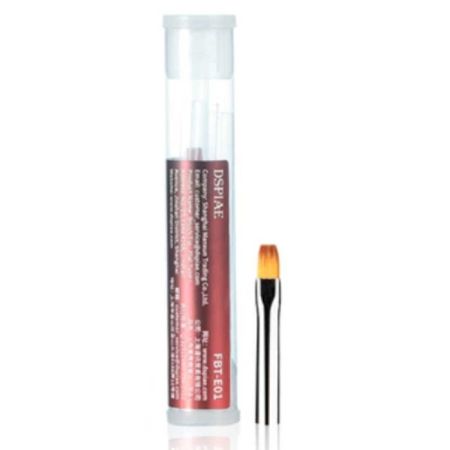
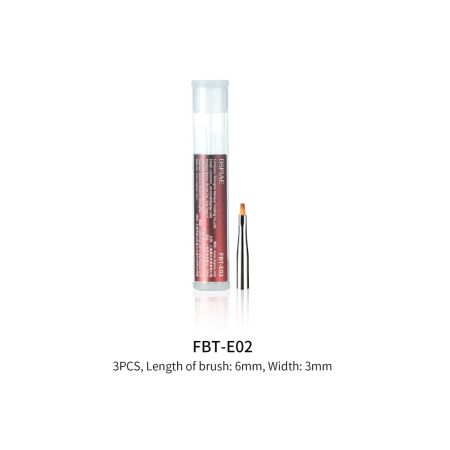
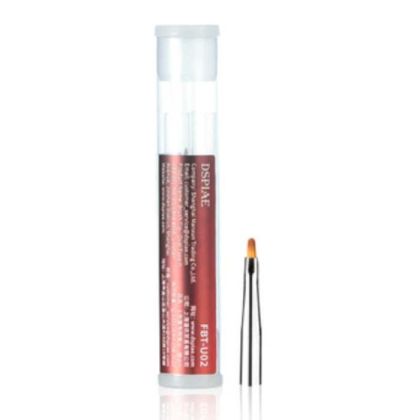
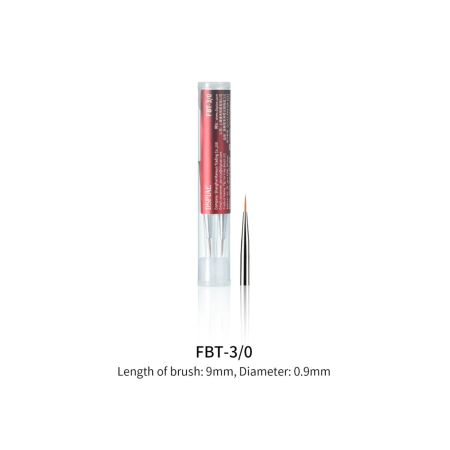
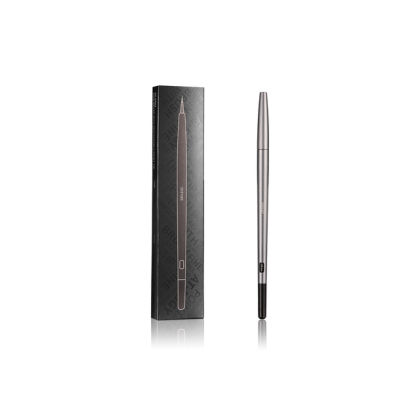
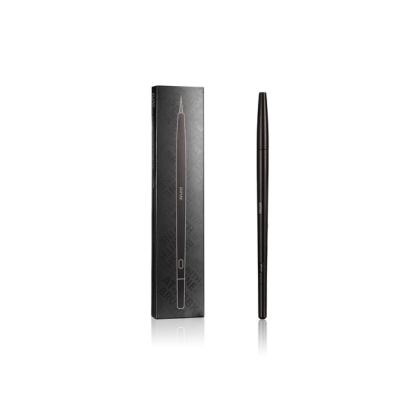
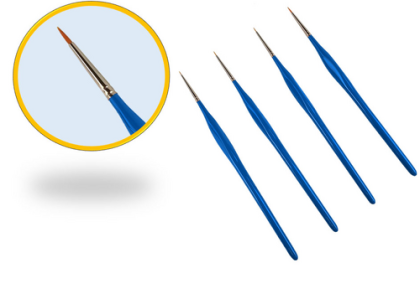
Synthetic brushes are now the usual choice for building plastic model kits. Man-made hair keeps its shape after dozens of washes, is untroubled by thinners and will stir a stiff paste without coming to harm. The listing holds round points and flat shapes, nought sizes for detail work, starter sets and systems with interchangeable tips.
How to pick between the head shapes, which sizes are worth doubling up on and when a different kind of hair is the more sensible answer are all covered in the notes below the products.
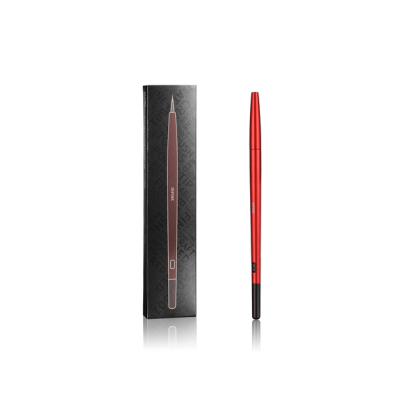
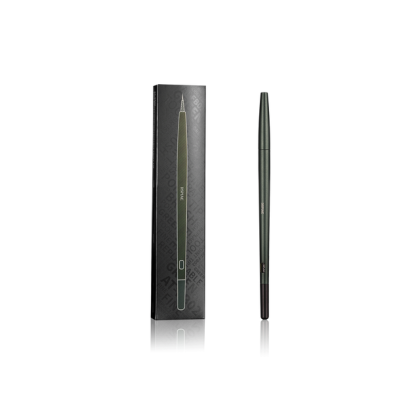
A man-made filament is smooth, springy and durable. It carries less paint than natural hair, but it washes out more easily once dry and harsh thinners do not break it down. In practice that means you can use a synthetic brush on base coats, on surfacer and on thick pastes without weighing up whether the job will destroy the tool. Part of the range answers wear with a replaceable tip, so renewing the brush means changing the head rather than the whole handle.
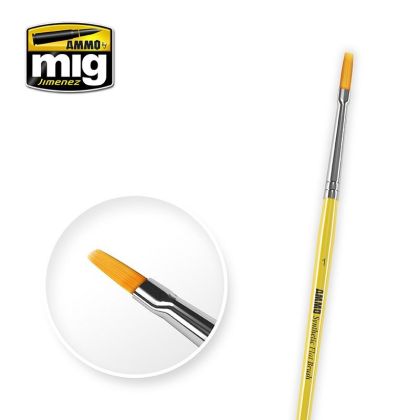
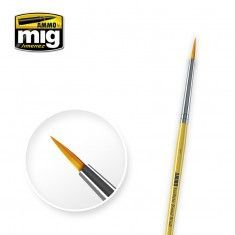
A round point is the generalist. A flat holds a sharp leading edge and therefore suits outlining panels, interiors and straight camouflage bands. An oval sits between the two and covers curved surfaces such as a hull side or a turret face well.
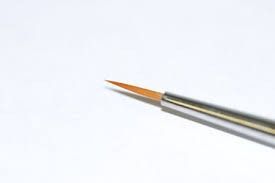
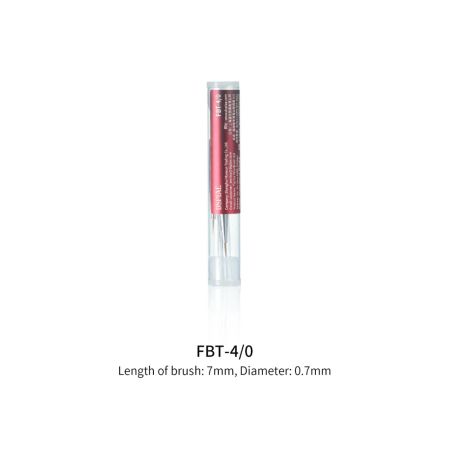
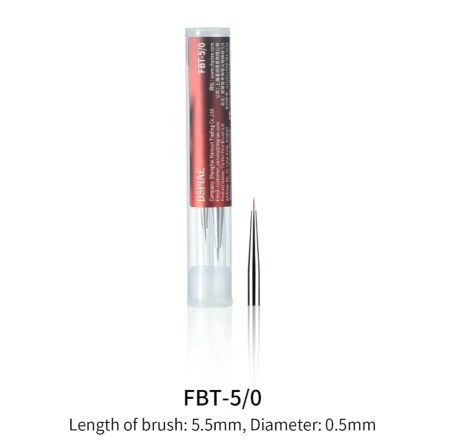
Starting out, work from a set spanning 00 to 3, then add 5/0, 4/0 and 3/0 for fine work. With sets, check whether the sizes really carry different heads or differ only in the number on the handle. The gap between the two smallest numbers is more noticeable in use than the gap between the two largest, so economise at the top of the range rather than the bottom.
Large areas go faster through an airbrush, leaving the brush for detail. For dry-brushing and patina reach for the stiff heads in special brushes, since an ordinary point is destroyed by that technique inside a single model.
A synthetic brush lasts a long time, but only until paint dries at the ferrule and splays the hair. Wash it while it is still wet. Finer points than these come from natural hair brushes.