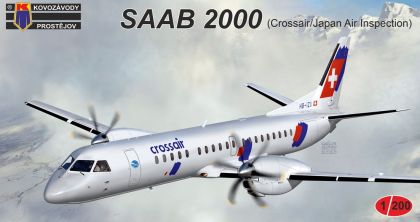
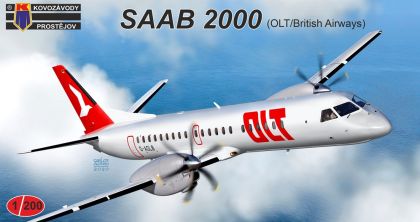
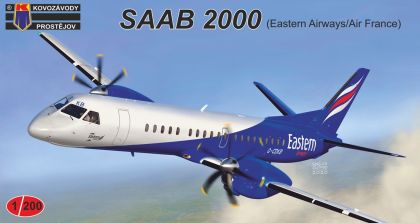
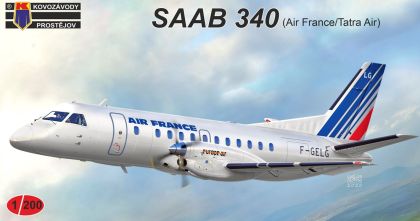
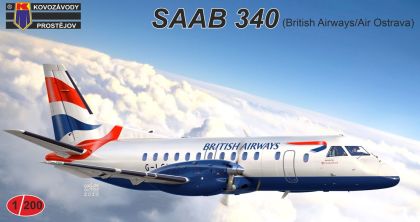
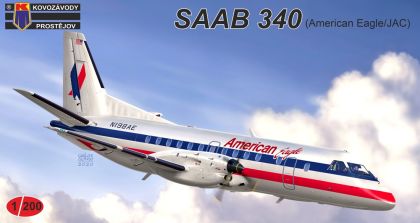
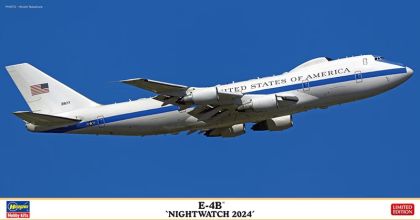
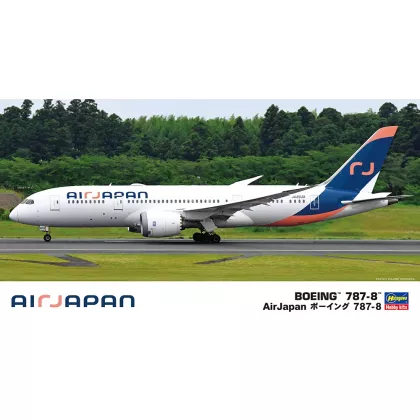
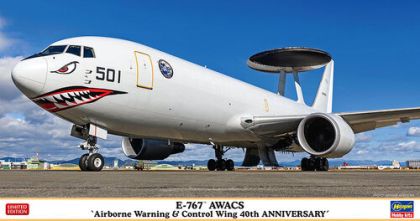
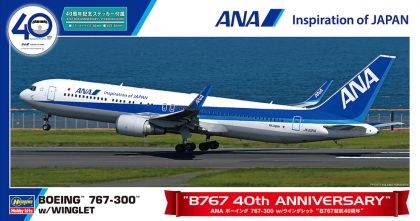
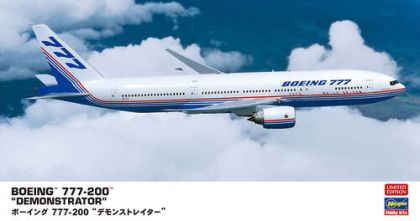
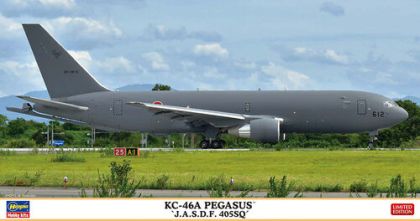
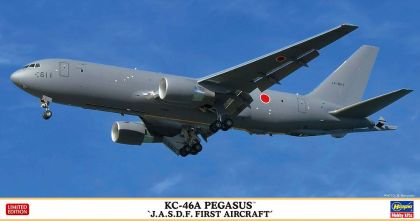
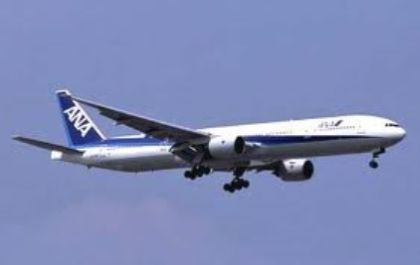
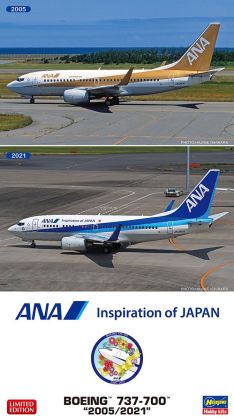
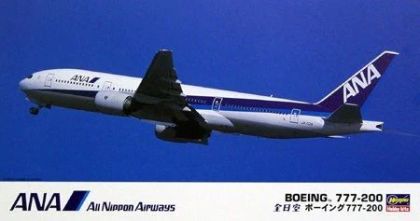
Civil aviation has always had its own set of scales, and 1:200 is one of the oldest. A 787 in this ratio measures about 30 centimetres, which means a fleet fills a cabinet rather than a room. The range reaches from wide-body jets in Japanese airline colours to regional turboprops such as the SAAB 340 and SAAB 2000 wearing European schemes that once operated over Central Europe.
Read on for what makes 1:200 distinctive, how to judge a decal sheet, and how to make a long gloss fuselage behave.
Two-hundredth scale is a compromise between pocket-sized 1:144 and the big display formats: an airliner is large enough for the livery and the flight-deck glazing to register, while several aircraft still share one shelf. Beyond the jetliners, the scale is home to specialist airframes such as airborne command posts and AWACS platforms, which are hard to find anywhere smaller. Regional turboprops, liveries included, round the choice out.
The same airframe exists in a dozen different airline schemes, so pick by decal sheet rather than by type alone. A gloss white fuselage then demands careful surface preparation, because the paint hides nothing.
Parts counts are lower than on military kits, but an uninterrupted gloss surface shows every speck of dust. Plan for sanding, primer and a proper clear coat; windows are frequently printed rather than glazed.
Airliners look their best on a stand in flight configuration, or lined up in a row. Keeping to one scale keeps the fleet visually consistent, which is a good reason to stay in 1:200 and choose each addition so it adds to the story, by region or by operator.
Smaller civil subjects are listed under 1:144 aircraft kits, and the complete catalogue sits at aircraft model kits.