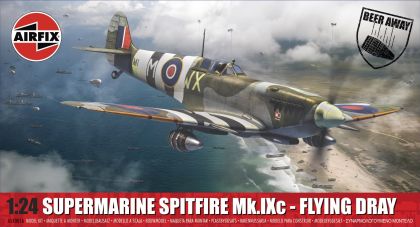
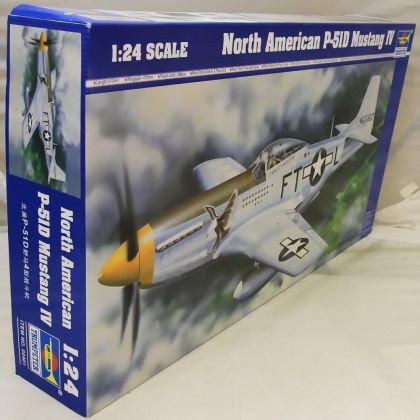
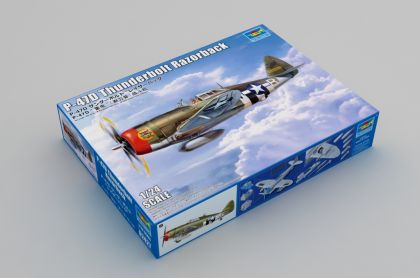
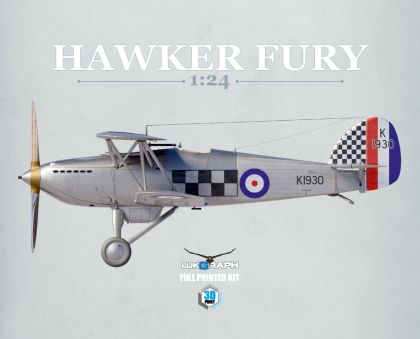
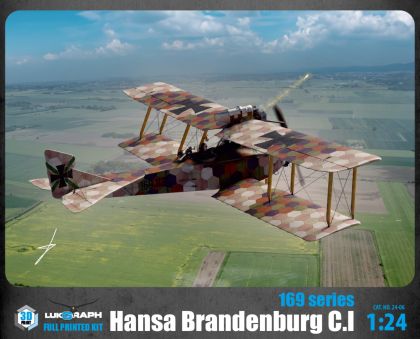
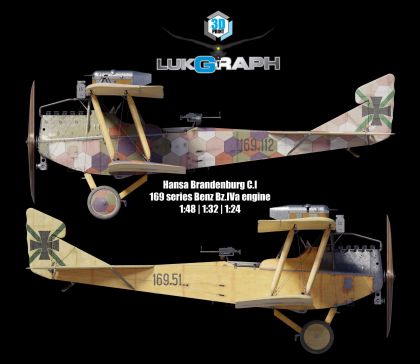
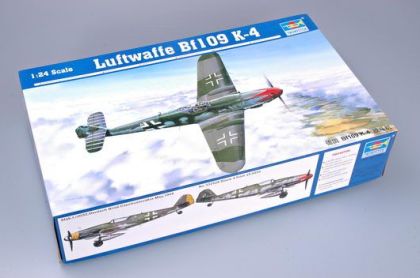
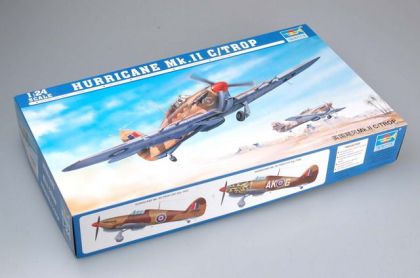
A 1:24 aircraft model turns a display cabinet into a small museum. A First World War biplane at this size reveals every rib tape and stitched seam in the fabric; a Spitfire or a Thunderbolt shows a complete engine and a cockpit you can read without a magnifier. The choice runs from conventional injection-moulded kits to resin airframes aimed squarely at experienced builders.
Read on for who large-scale aircraft suit, how much room a single-engined fighter really needs, and which 1:24 detail parts reward the effort most.
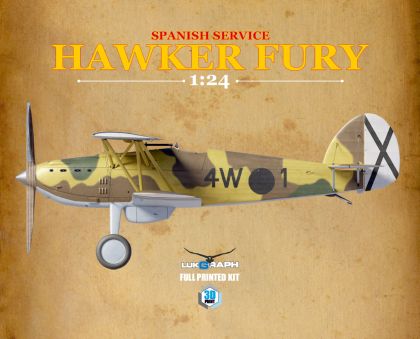
Twenty-fourth scale is familiar from car modelling; applied to aircraft it is genuinely generous. A single-engined fighter works out at around 45 centimetres of span or more, and that much surface lets a manufacturer mould fuselage framing, control cables and instrument faces so they read at normal viewing distance. The scale is also home to resin biplanes of the First World War, where rigging, fabric lacing and laminated wooden propellers come into their own.
Big parts are pleasant to hold, but long fuselage seams want filling, and a large expanse of gloss or bare metal exposes every ripple left underneath. The scale is best approached once you have a few completed builds behind you.
Allow 40 centimetres or more per aircraft; most modellers end up treating a 1:24 build as a standalone project rather than part of a series. Think about a base or a closed cabinet early, because dust has nowhere to hide on surfaces this large.
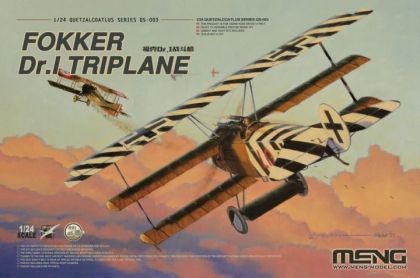
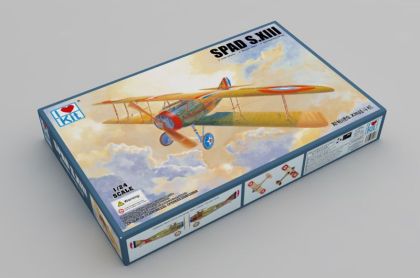
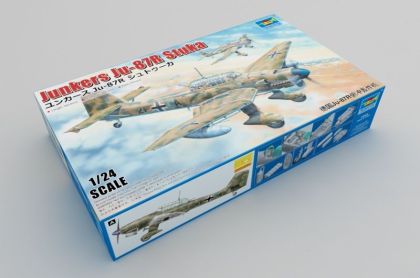
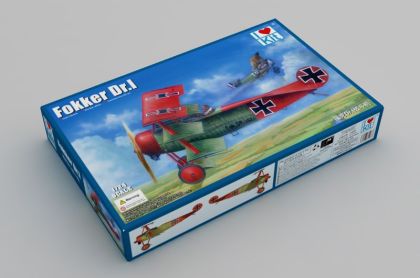
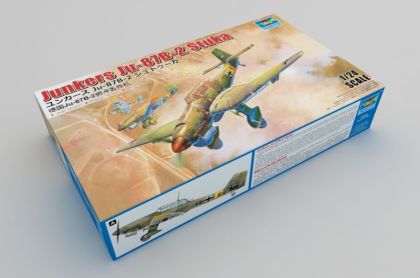
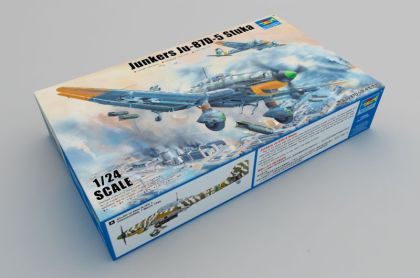
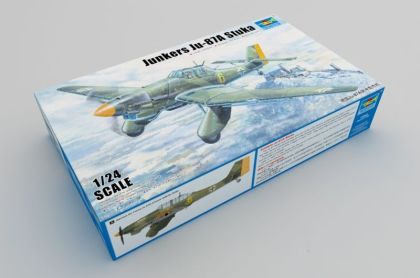
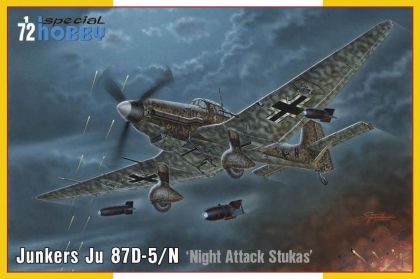
The range stretches from Fokker Dr.I and SPAD biplanes through the Stuka to later-war fighters. Early aircraft reward patience with doped fabric and timber finishes; later types give you open engine bays and heavily furnished cockpits instead.
Surfaces this large call for an airbrush and for careful preparation with modelling putty before any colour goes on. For comparable detail in a slightly more manageable footprint, look at 1:32 aircraft kits.