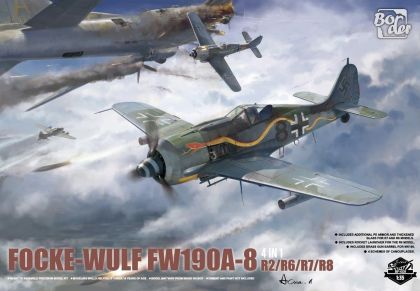
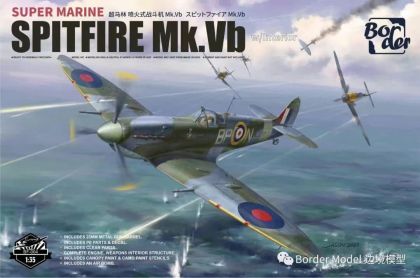
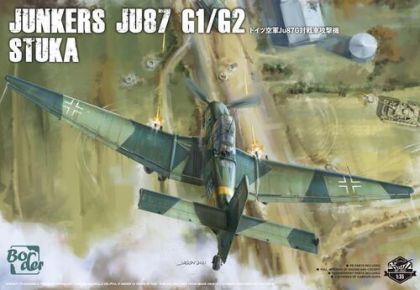
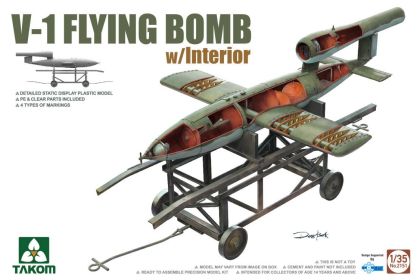
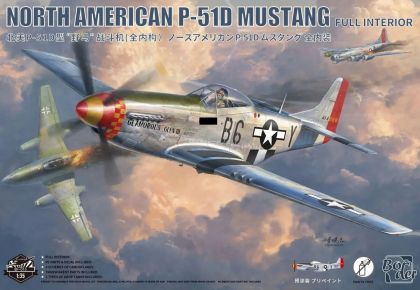
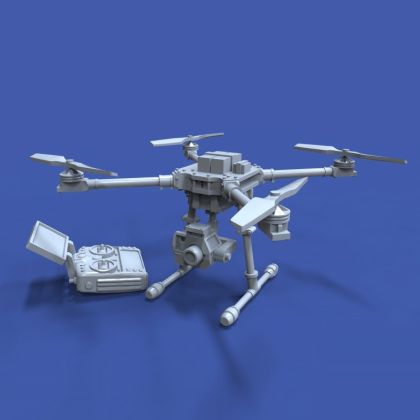
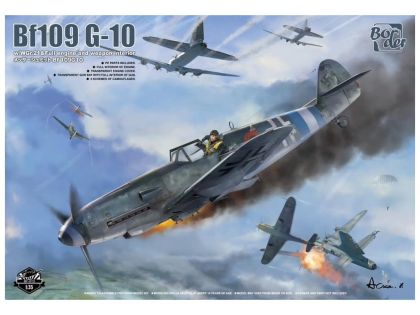
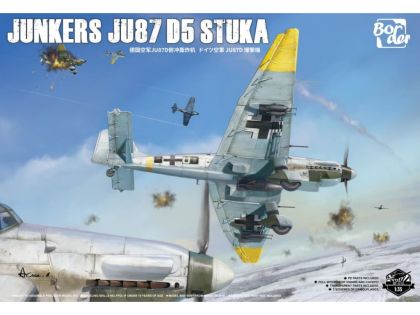
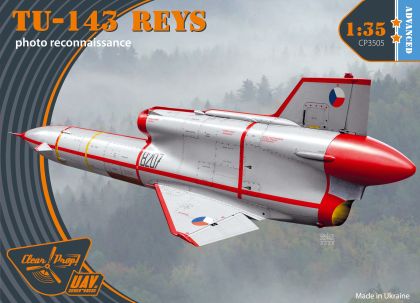
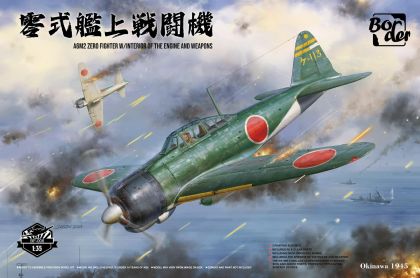
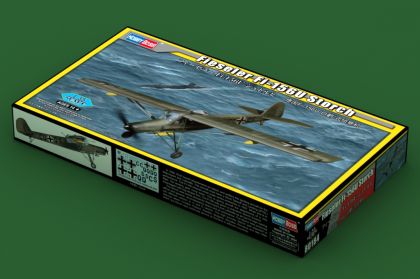
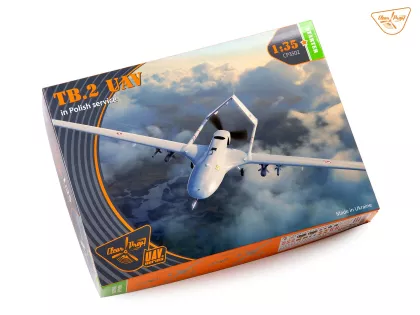
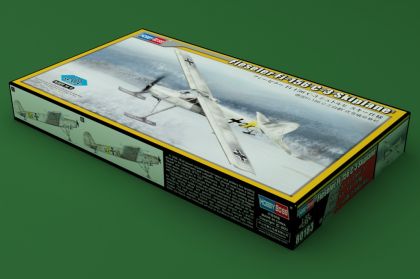
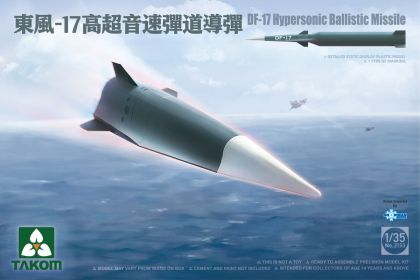
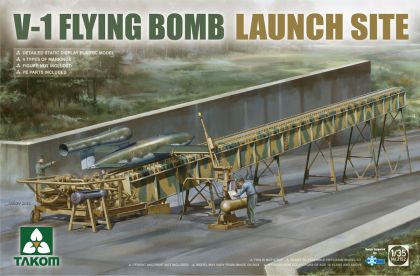
Modellers know 1:35 from tanks and ground equipment. Aircraft in the same ratio are a much newer development, and they solve an old problem: a fighter, a helicopter or a drone that finally matches the figures, trucks and airfield clutter already on the diorama base. Recent tooling tends to be ambitious, with complete interiors and engines under opened cowlings.
Below we explain what makes this young aviation scale worth attention, how demanding the kits are, and which 1:35 detail parts we carry for them.
Thirty-fifth scale was the preserve of tanks for decades. Only in recent years have aircraft arrived in it, and they have arrived in style: machines with full cockpits and weapons bays, and alongside them modern unmanned types, which are better represented here than in any other aviation scale. For the first time an aeroplane sits correctly beside the figures, vehicles and ground support equipment from classic military kits.
If you are building a forward airfield or a maintenance scene, 1:35 is the obvious answer because everything matches without compromise. Displayed on its own, the aircraft still benefits from sitting between 1:48 and 1:32: detail is excellent and the footprint stays reasonable.
Wartime fighters such as the Bf 109 and the Spitfire appear next to helicopters, reconnaissance types and a growing list of drones. Unmanned subjects in particular have their widest choice here.
Kits with a full interior mean hundreds of parts and painting that has to be planned in stages during assembly, not afterwards. Simpler boxings with closed cowlings are within reach of a moderately experienced builder who has finished a few smaller models and is not put off by larger surfaces.
The classic aviation formats remain 1:48 aircraft kits and 1:32 aircraft kits, and the full ladder is under aircraft model kits.