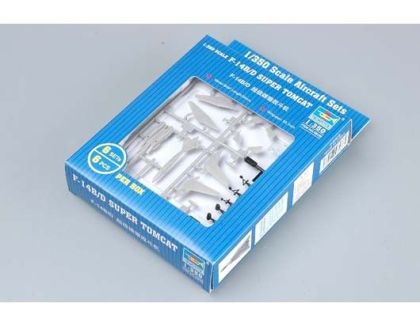
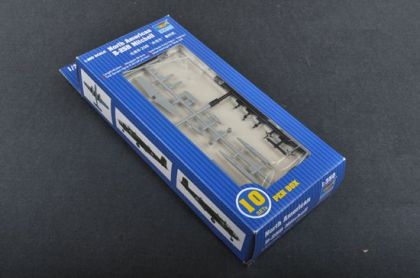
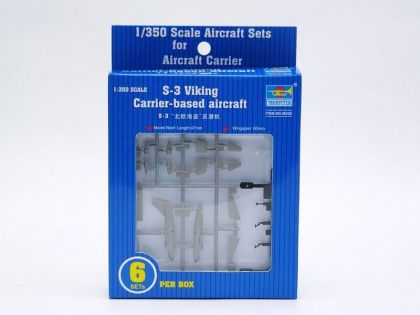
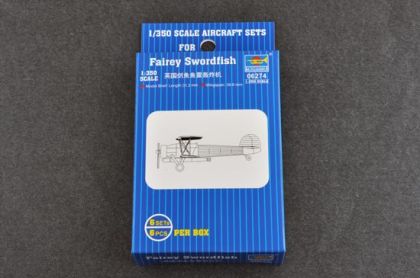
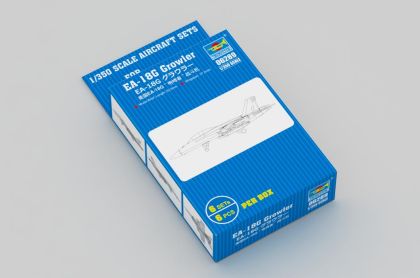
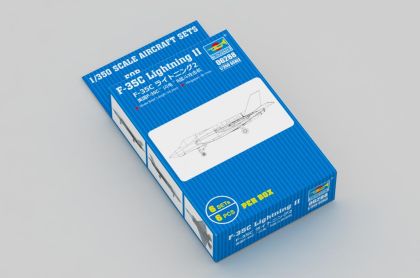
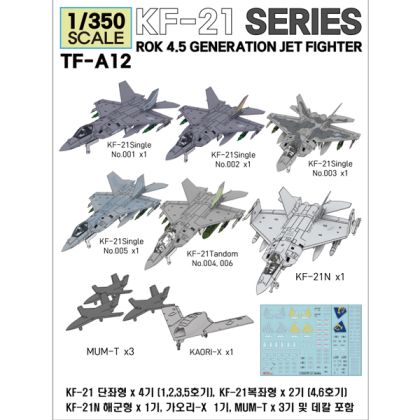
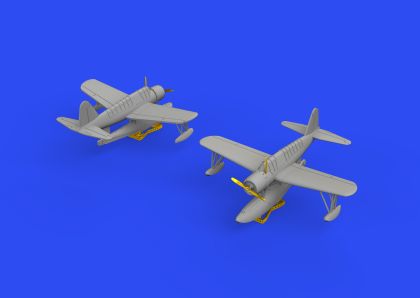
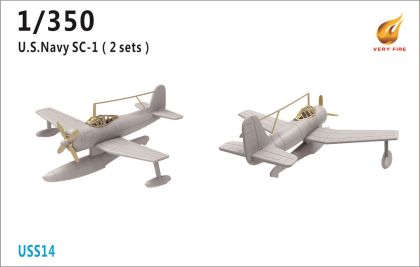
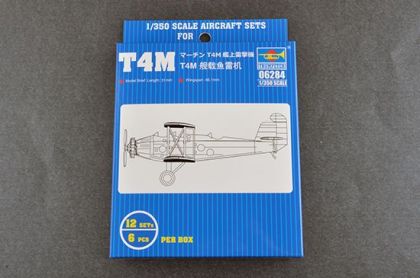
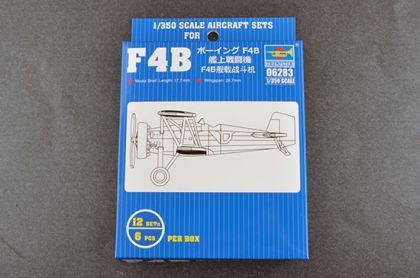
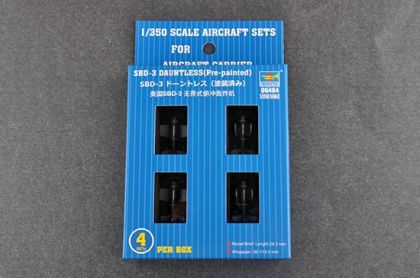
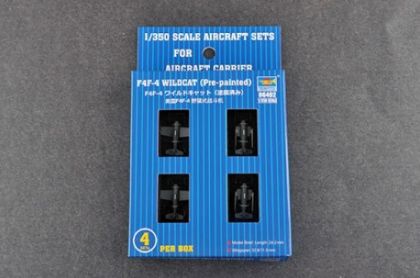
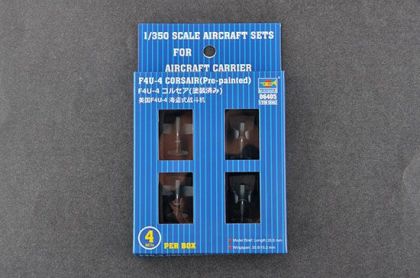
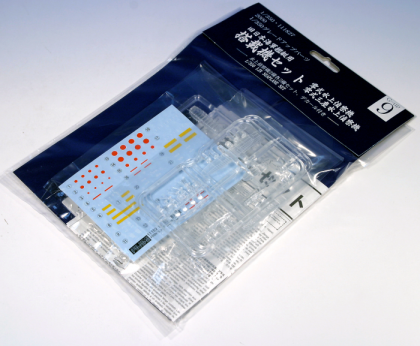
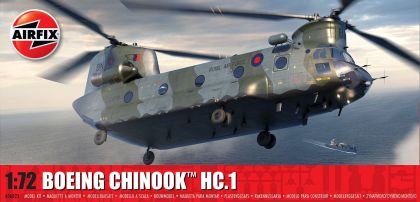
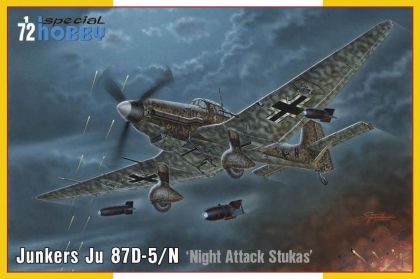
A 1:350 aircraft set supplies the part of a warship model that most builders leave empty: the air wing. Sets normally contain several aircraft at once, from catapult-launched Kingfisher floatplanes to the modern F-35C, often with photo-etched propellers or already pre-painted. The choice spans injection-moulded, resin and 3D-printed parts.
Below we explain how to pick an air group that matches your ship, and what makes handling parts the size of a fingernail bearable rather than miserable.
1:350 is the standard for large warship kits, which is why aircraft in this scale function mainly as deck equipment. A fighter works out at three to five centimetres and a set typically holds two or more airframes; with pre-painted sets you simply separate the parts carefully, assemble and position them. Resin and 3D-printed pieces are a category of their own, carrying detail that has no business being visible on something that small.
Choose aircraft for the era of the vessel: a catapult floatplane for a 1940s cruiser, an F-35 or Growler wing for a current carrier. Mixing periods costs the ship model its credibility faster than any construction error.
Injection sets are the straightforward route to a numerous air group; resin and 3D printing give the refinement that stands up to close-range photography; pre-painted sets save you masking camouflage on surfaces a few millimetres across and suit anyone who wants the deck finished quickly.
A flight deck reads best when it is populated. Count the parking spots on your own ship and order with a margin, because a part this small is easily lost. Mixing folded and spread wings adds a great deal of life to the arrangement.
Smaller air wings for warships are listed under 1:700 aircraft sets, while 1:144 aircraft kits cover miniatures meant to stand on their own. The ships themselves are under ship model kits, and the whole aviation catalogue at aircraft model kits.