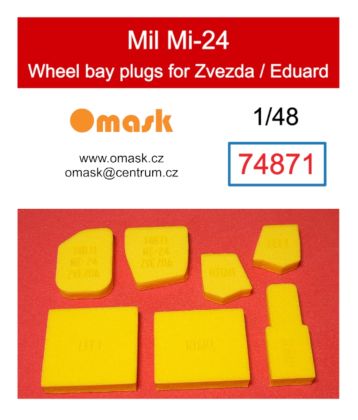
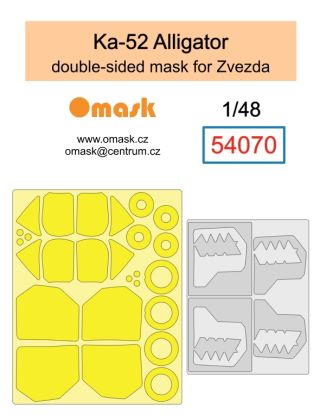
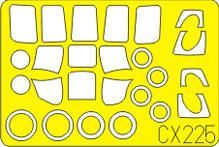
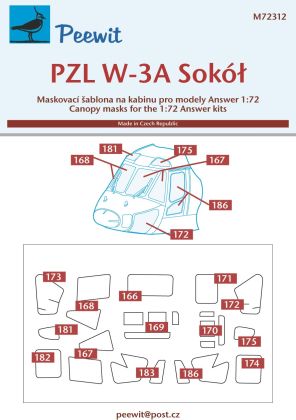
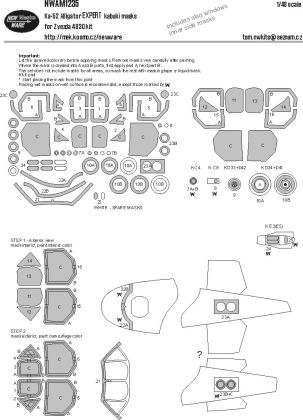
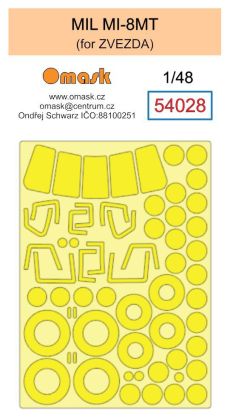
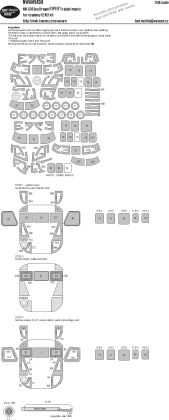
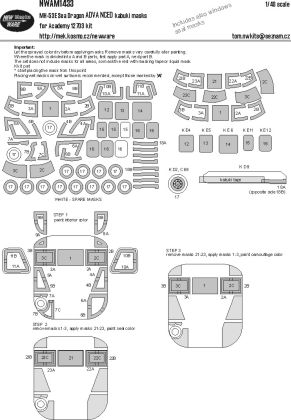
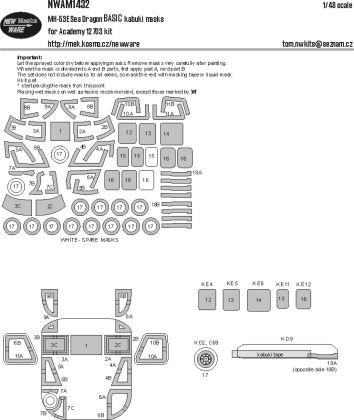
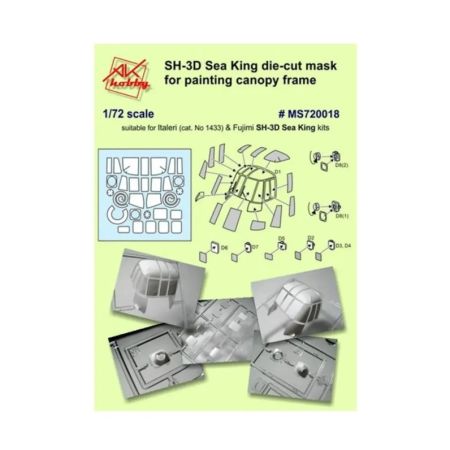
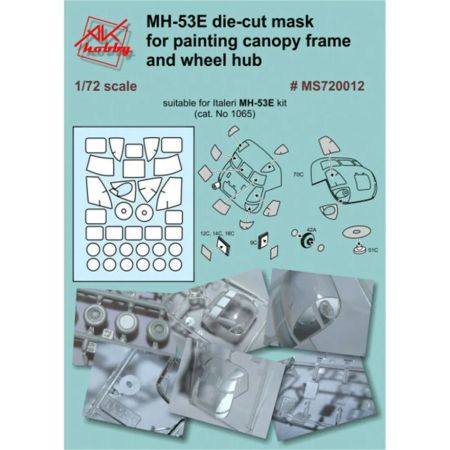
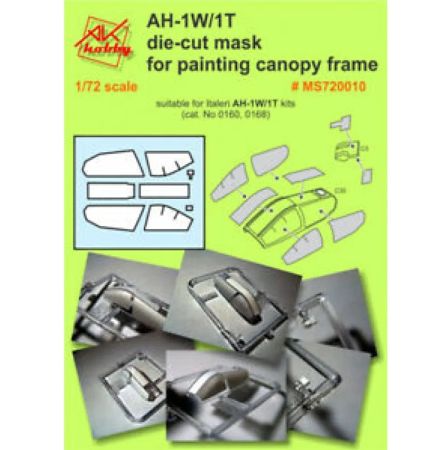
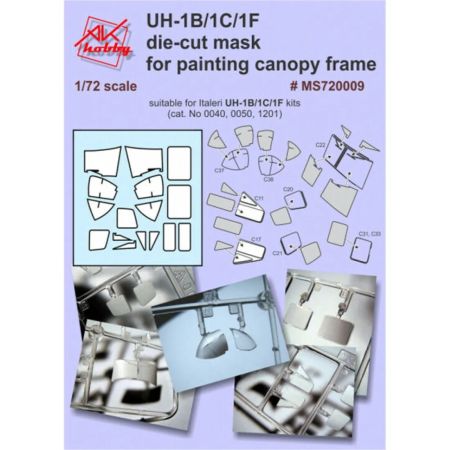
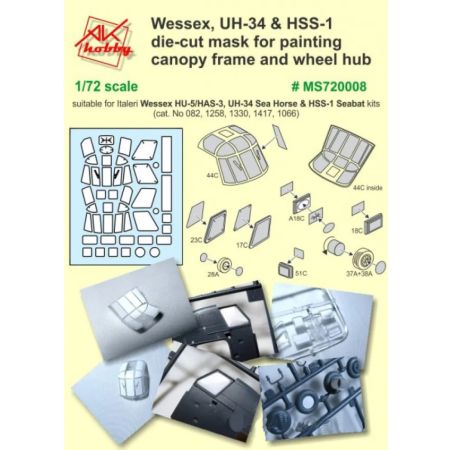
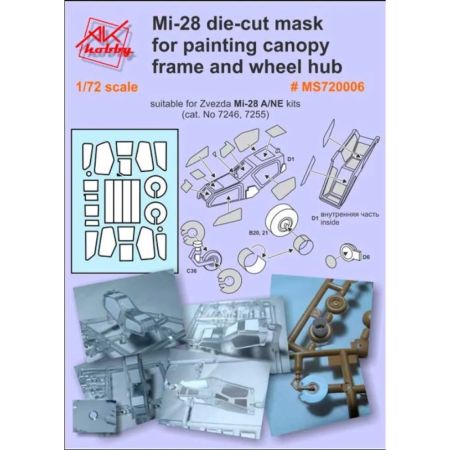
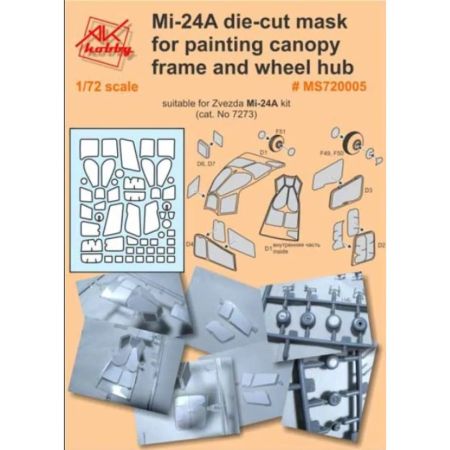
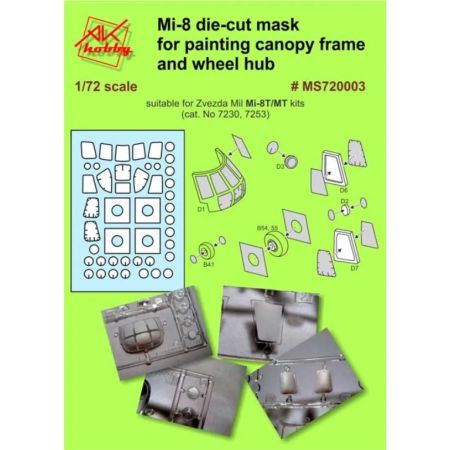
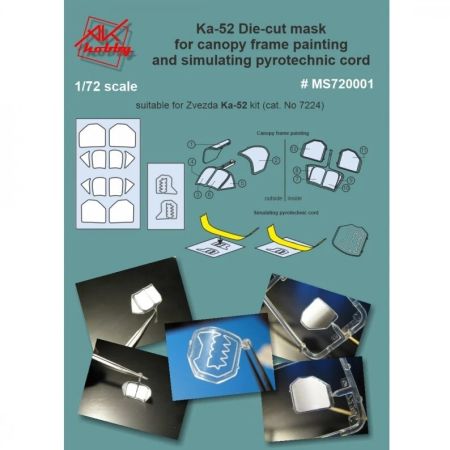
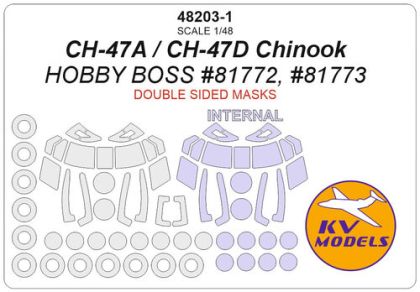
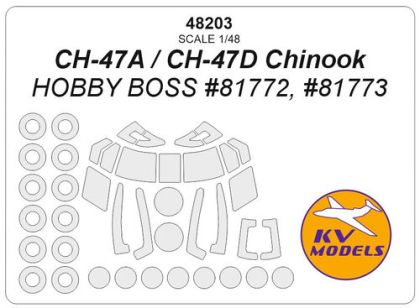
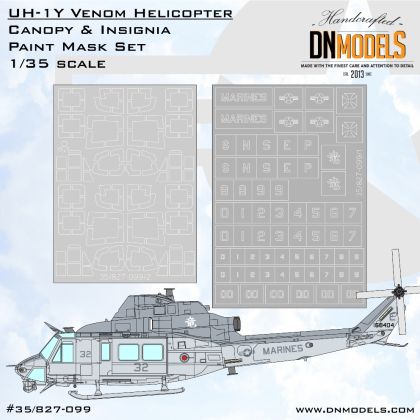
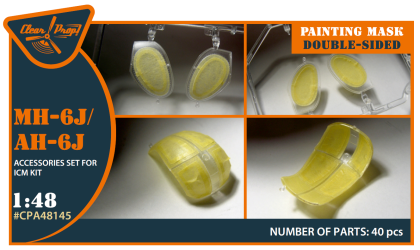
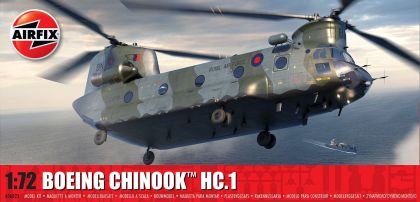
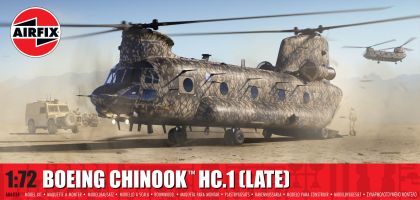
Canopy masks for helicopter models are pre-cut self-adhesive stencils that protect the glazing, cargo-bay windows and wheel hubs while you spray. On rotorcraft they matter more than on most subjects, because machines such as the Sea King, the Hind or the Cobra carry glazed areas far larger and more broken up than a fighter's. Instead of trimming tape all evening you get shapes cut for a specific kit, in scales from 1:32 down to 1:144. Choosing the right set is covered below.
A mask is precisely cut self-adhesive film or kabuki paper laid on the clear part before spraying. Paint then stops at a sharp frame line and the glass stays clean, with no scraping and no fingerprints. On a helicopter transparency with dozens of panes that saves hours, and the same sets protect wheels and sensitive patches of fuselage in one go. Unlike ordinary tape, the film leaves no adhesive behind and paint will not creep under a well-burnished edge. Other upgrades sit in helicopter model accessories.
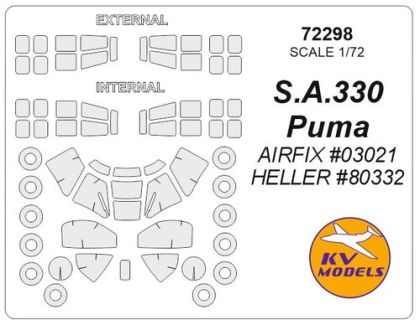
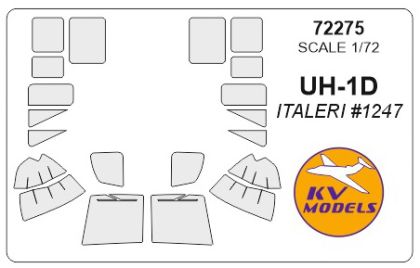
Masks follow the shape of one particular moulding, so a set for one kit will not sit on another. Check both the scale and the named kit against the box you are building; several popular machines are covered by sets for more than one kit.
Basic sets mask the outside of the transparency. Double-sided sets cover the panes from within as well, which counts on an open cabin where internal framing is visible. Extended sets add wheels, national insignia or non-slip areas.
Think about what you will actually spray. A closed cabin needs only the basic coverage; machines with glazed cargo bays, a Hip or a Sea King, justify a set that takes in every side window.
Lift the film only after the last coat has dried, pulling at an angle away from the line to keep the edge crisp. Clean glazing tells most on detailed 1:72 helicopter kits, where the cabin is much of the overall impression.