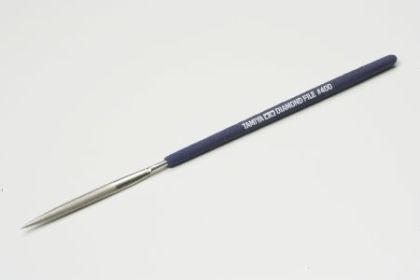
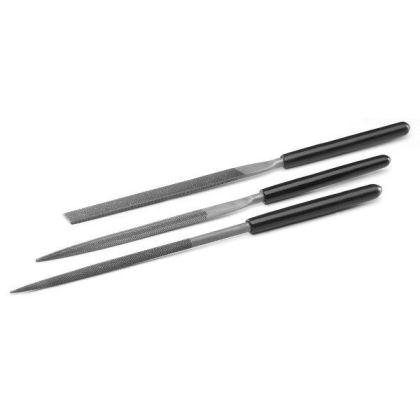
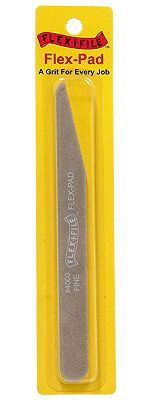
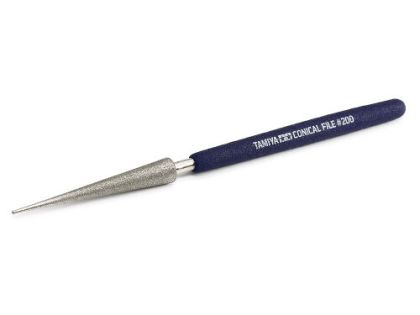
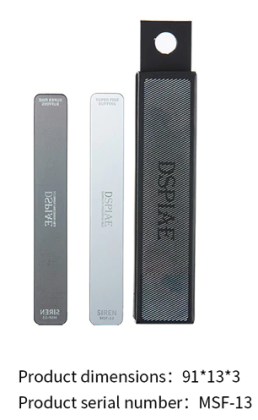
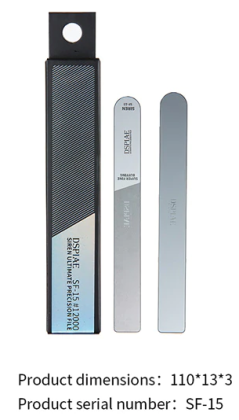
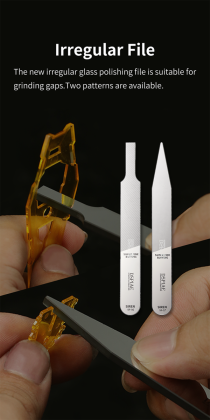
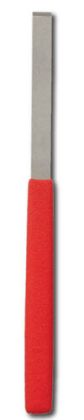
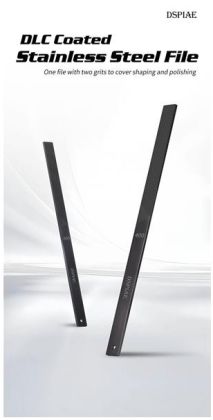
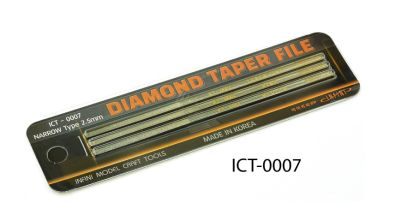
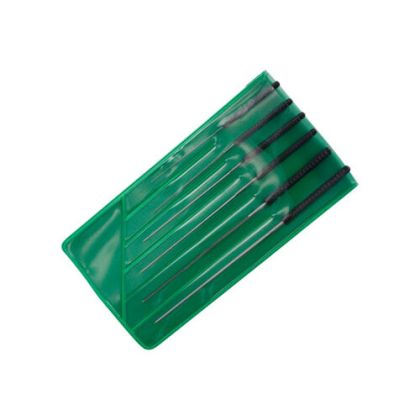
A file removes material faster than abrasive and holds a shape better, which is why it is reached for straight after a part comes off the sprue. Modelling files have fine cuts and small sections, so they get into places no general workshop tool can enter. The category covers needle files in sets, glass files with a very fine cut, diamond-coated blades, rasps for heavy stock removal, and scrapers and burnishing blades for working by drawing rather than pushing. Which one you want follows from the section, not from the length.
Whenever you need to remove a noticeable amount of material or hold an accurate shape. A sprue stub, a mating face that will not seat, surplus cured filler, the edge of a resin casting — a file deals with all of them faster than abrasive paper, and without rounding the surface off. Only then does abrasive take over and bring the surface down to smooth.
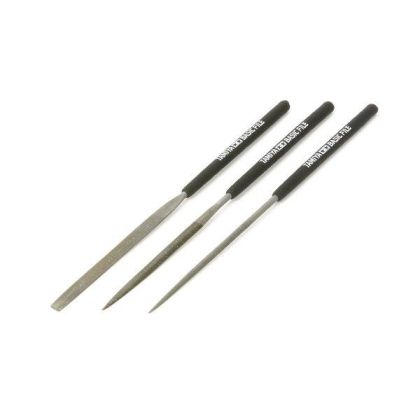
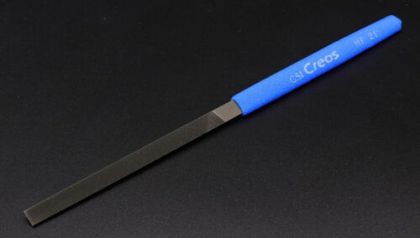
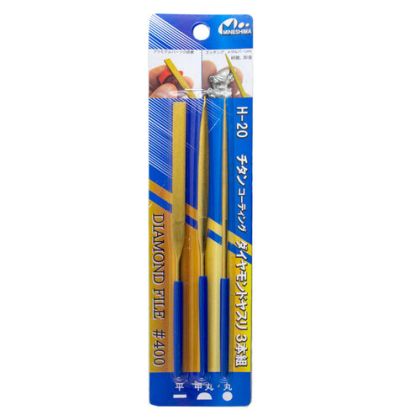
The classic, sold in sets of mixed sections: flat, half-round, triangular, round, knife. The section is what decides: a triangular file into a corner, a round one into a hole, a flat one with a safe edge against a panel so the adjacent wall survives.
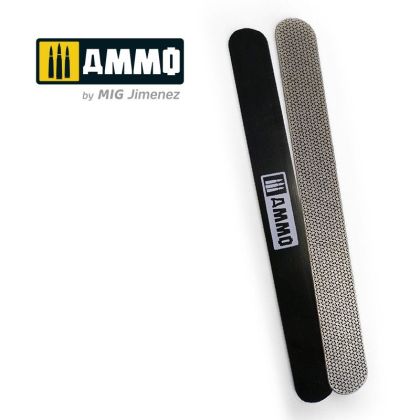
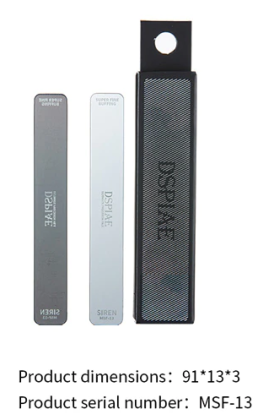
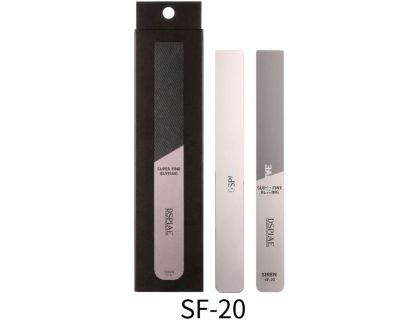
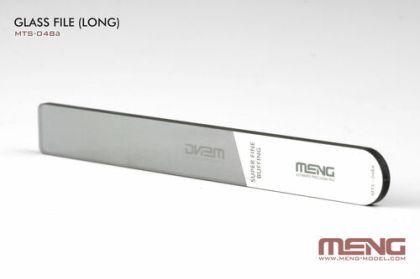
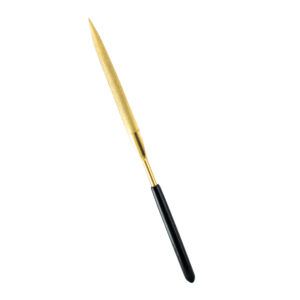
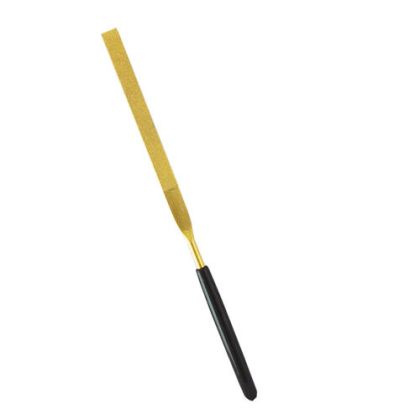
These have a very fine, even cut, do not clog and can be washed. Glass files are hard and excellent on styrene and cured filler; diamond ones also handle metal and resin. Both cut more gently than a conventional file, leaving a surface close to a sanded one.
For taking a large volume off quickly — conversions, reshaping a resin hull, roughing out a form. They are always followed by a finer step, because the mark a rasp leaves is pronounced.
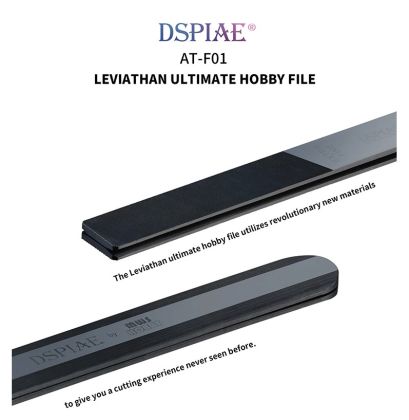
These work by being drawn across a surface and take off a very thin shaving. They are irreplaceable on a mould seam: abrasive levels the ridge along with the surrounding structure, whereas a scraper lifts only the raised ridge and the rivets beside it stay where they are.
Styrene clogs a file, so clean the cuts afterwards with a brush. Work on the forward stroke and lift slightly on the return, which extends the life of the tool and gives a finer result. Always follow a file with abrasive from sanding, because the mark left by a cut is always coarser than it looks.
For small holes and profile work, drilling and milling is often quicker than patient filing.