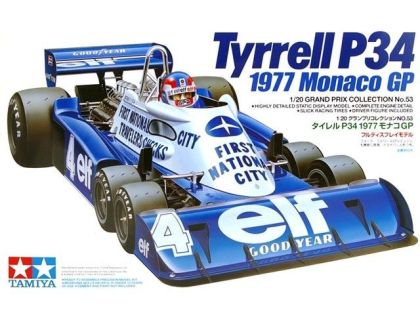
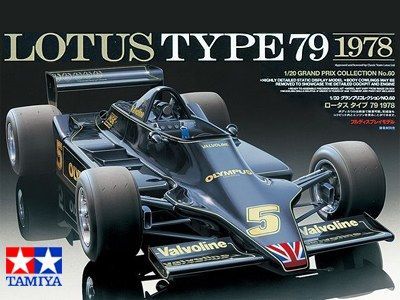
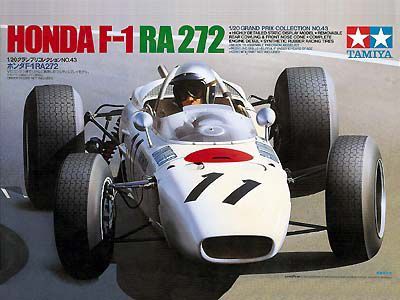
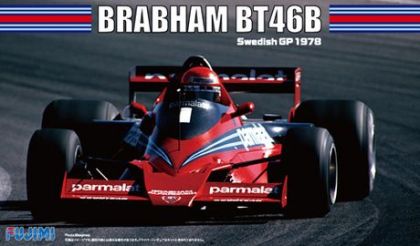
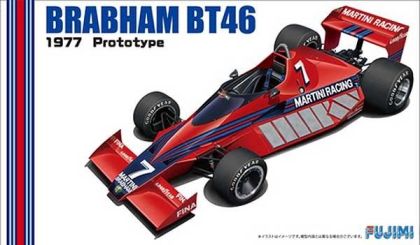
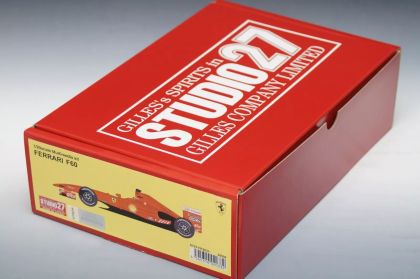
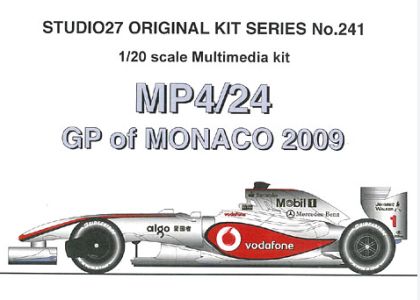
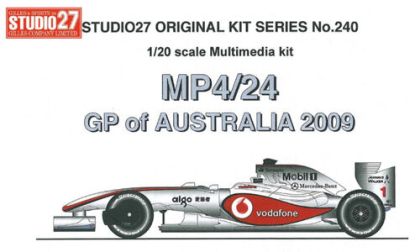
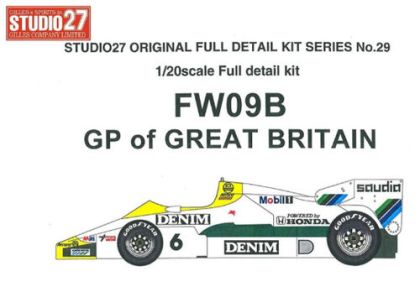
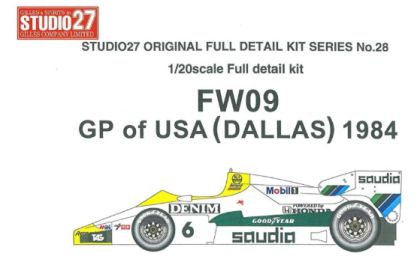
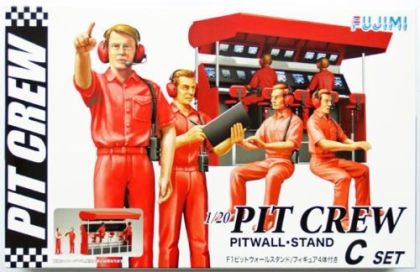
Ask a single-seater builder which scale to collect and the answer is usually 1:20. A car finishes around 22 cm, the engine and suspension stay fully legible, and a cabinet can hold the whole history of the championship. This is the broadest choice of seasons anywhere, from the winner of the first Japanese Grand Prix through the famous ground-effect machines to single-seaters of the last two decades, available both as plastic kits and as multimedia kits for the most demanding builders. Pit-crew figures are here too.
1:20 settled in as the ideal compromise: large enough for a faithful engine, suspension and cockpit, small enough to collect dozens of cars. The range reaches from the 1960s to the present day, and alongside standard kits it includes full-detail boxings with complete mechanicals and multimedia kits built from resin, photo-etched fret and turned parts, frequently in versions specific to one Grand Prix.
Build the cars whose duels you remember: the machine from a famous rivalry, a favourite driver's first win, a technical experiment that changed everything. A collection assembled that way tells the history of the championship better than any encyclopaedia.
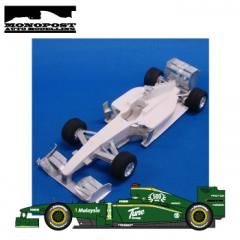
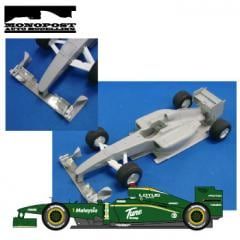
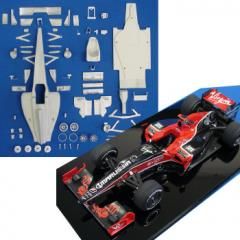
Plastic kits are approachable and straightforward. Full-detail boxings add engine assemblies and removable bodywork. Multimedia kits call for cyanoacrylate, resin sanding and experience, and give back an exhibit of museum quality.
Pit-crew figure sets turn a lone car into a stop in the pit lane. A simple base is all you need for the scene to start telling the story of a race weekend: a trolley jack, a wheel gun and two kneeling mechanics do more for a display than any amount of extra detail inside the engine cover.
Large-format legends wait in 1:12 formula car model kits, the size that matches a car collection in 1:24 formula car model kits, and the full overview is formula car model kits. Closed-wheel circuit cars share this scale in 1:20 car model kits, so the pit lane can keep growing.