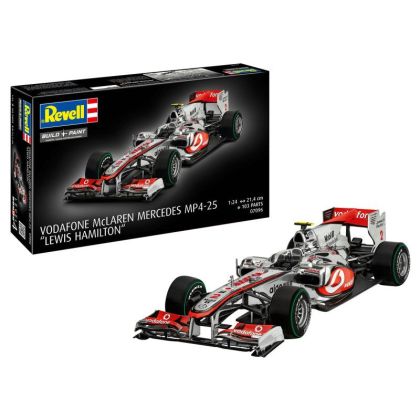
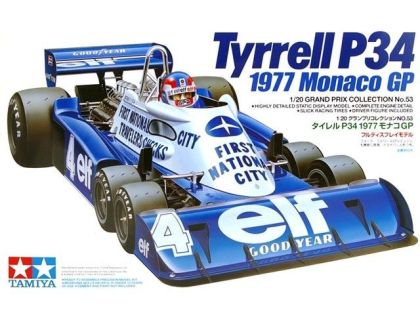
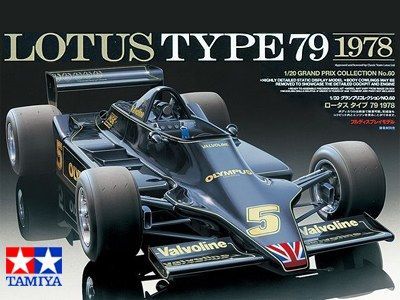
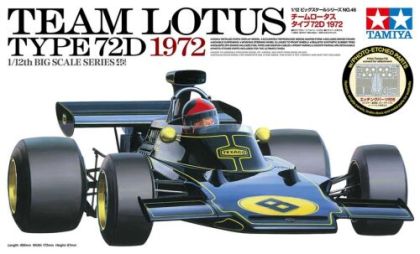
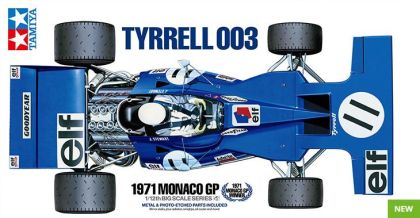
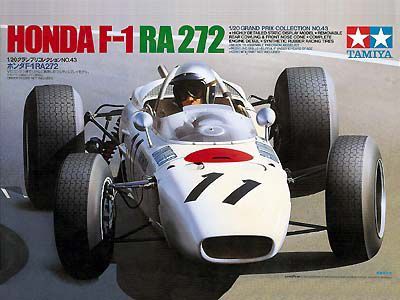
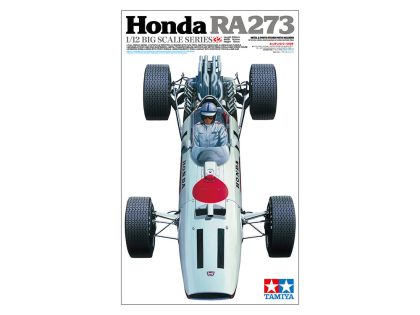
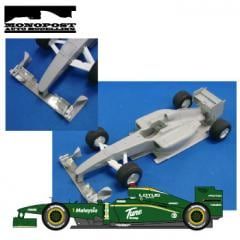
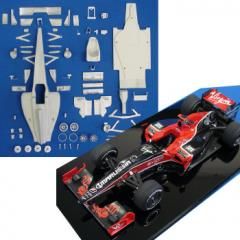
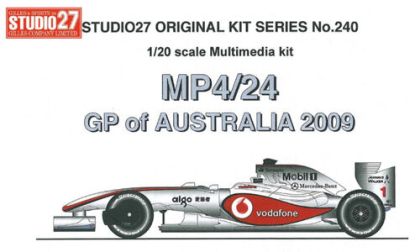
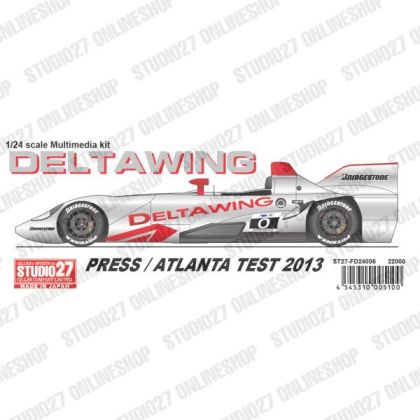
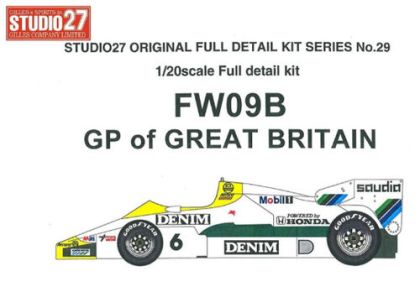
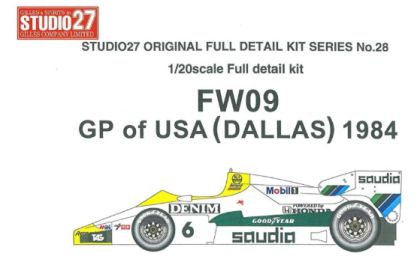
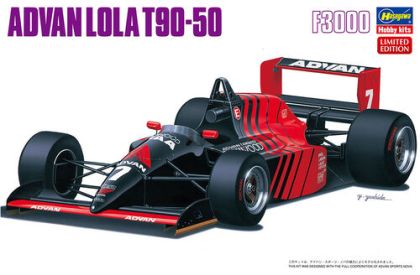
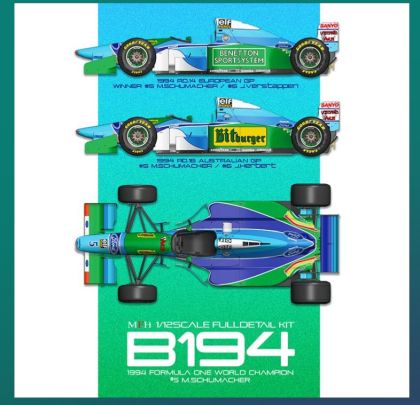
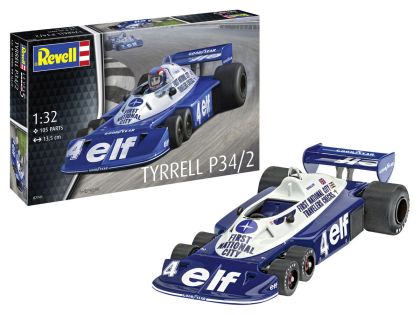
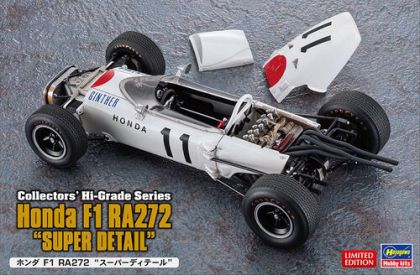
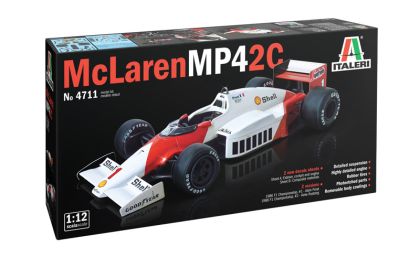
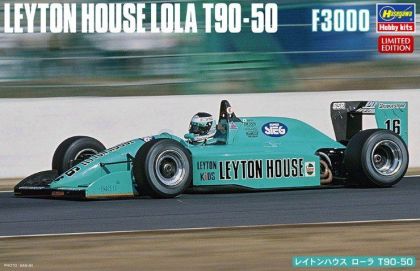
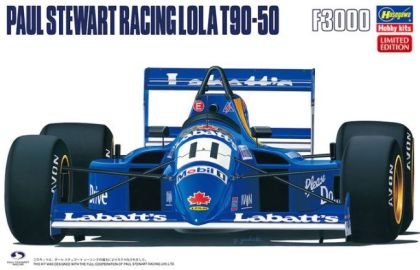
If the single-seater is the pinnacle of motorsport, then formula car model kits are the pinnacle of motoring modelling. Exposed engines, fragile suspension links and famous liveries mean there is nowhere to cut a corner. The range spans six decades: cigar-shaped machines of the 1960s, the six-wheeled experiment, the ground-effect cars that rewrote the rules, and modern-era single-seaters, with F3000 circuit cars alongside them. Below we go through choosing a scale and choosing the right type of kit.
These kits capture one specific car from one specific season, often down to the configuration raced at an individual Grand Prix. Unlike a road car, nothing is hidden: the engine, the suspension and the cockpit stay in full view, so the result depends on how clean every assembly is. Beside the injection-moulded kits sit multimedia kits, which combine resin castings, photo-etched parts and turned metal components for the closest possible fidelity.
The 1960s offer slender cigar shapes and exposed engines. The 1970s brought wings, wide slicks and oddities such as the six-wheeler. The 1980s and 1990s gave us the turbo years and the great rivalries, and modern subjects bring intricate aerodynamics with very fine detail. Choose the season you remember from in front of a television.
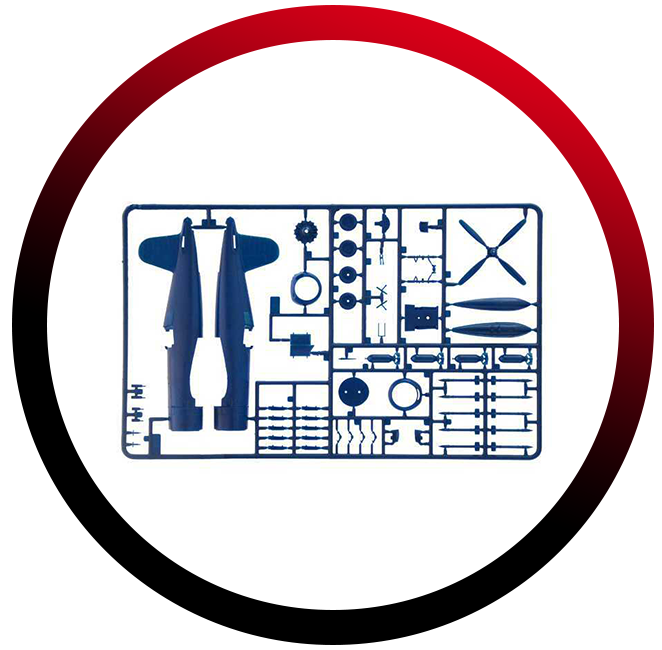
A plastic kit is the natural entry point; full-detail boxings add complete engine assemblies. Multimedia kits are for experienced builders: resin and metal need cyanoacrylate and patience, and the reward is a museum-standard model.
Multi-colour liveries are handled best with an airbrush and careful masking; opaque colour over a smooth base is half the battle won. Road-going counterparts for the same cabinet are in car model kits.