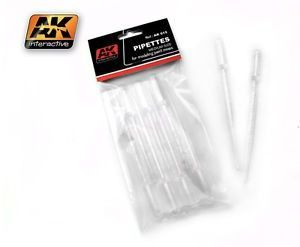
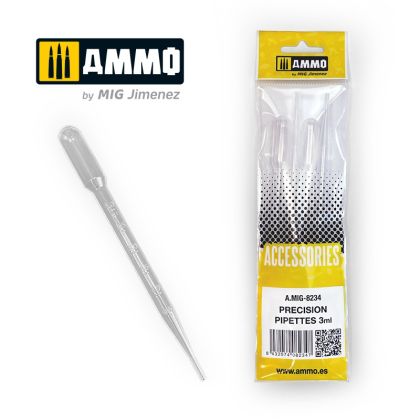
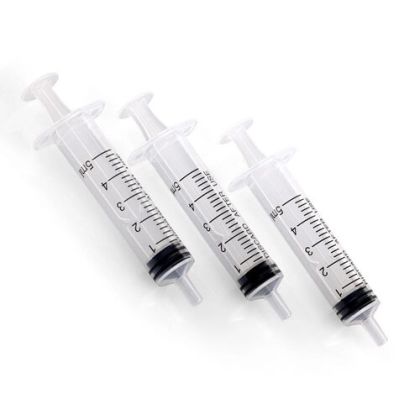
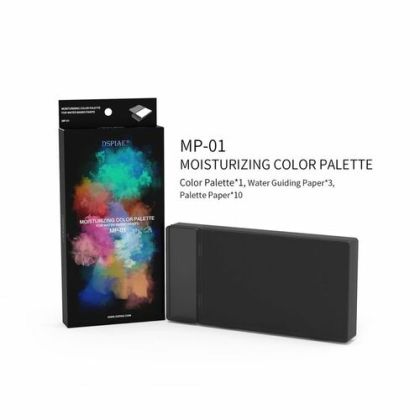
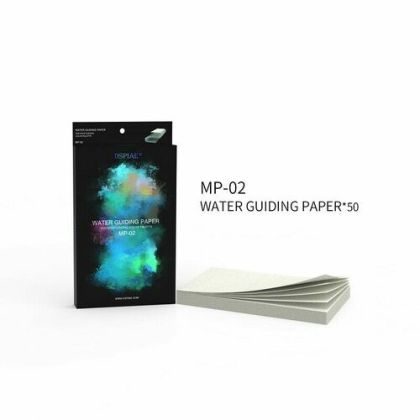
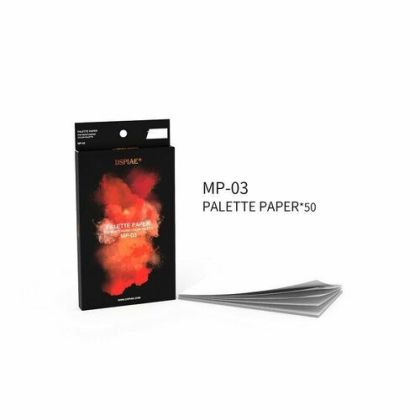
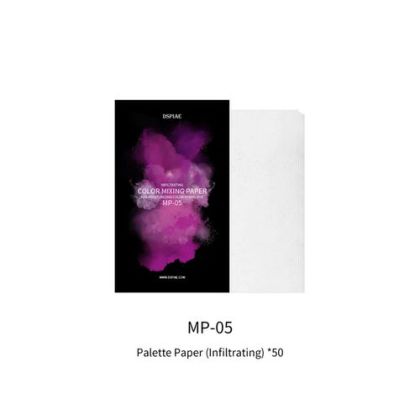
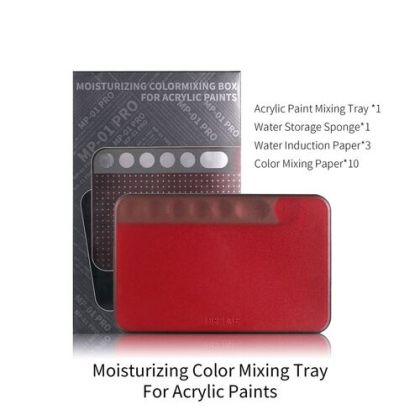
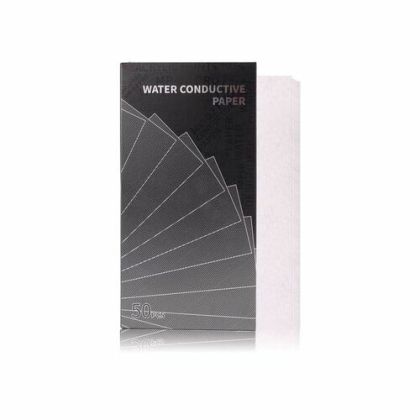
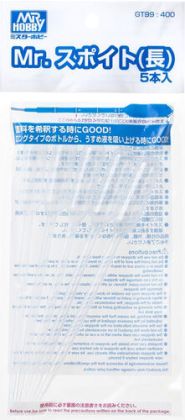
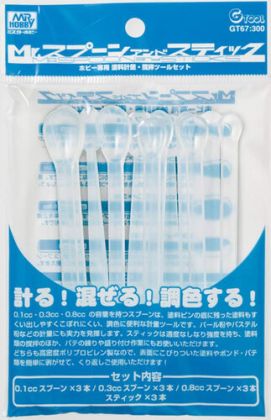
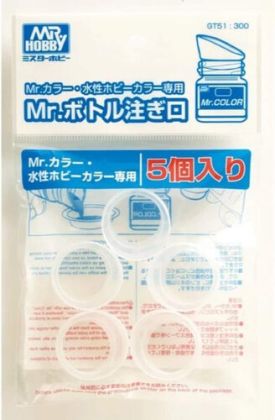
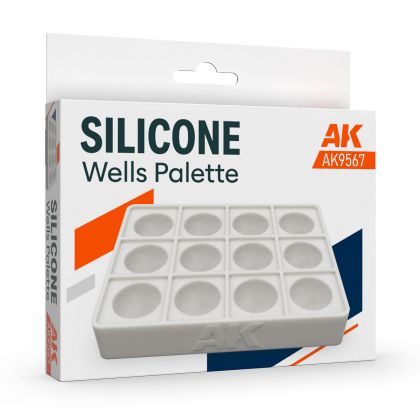
Having the right shade is one thing; getting it out of the jar and onto the model in a measured amount is another. This category covers that part of the job: wet palettes and the refill papers that go in them, silicone and plastic palettes, pipettes and syringes for dosing thinner, empty bottles for mixes you want to keep, plus cups and funnels.
These are small items, but they speed the work up noticeably, save paint and make the shade that lands on the model far more predictable.
Paint is almost never applied straight from its original packaging. You take out a small amount, thin it and fine-tune the tone. That single step is the difference between a coat that looks even and one with visible joins. The items here handle decanting, dosing, mixing and storing.
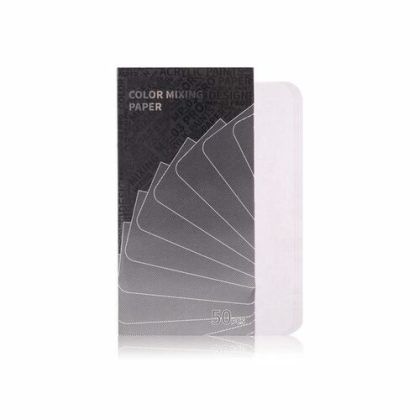
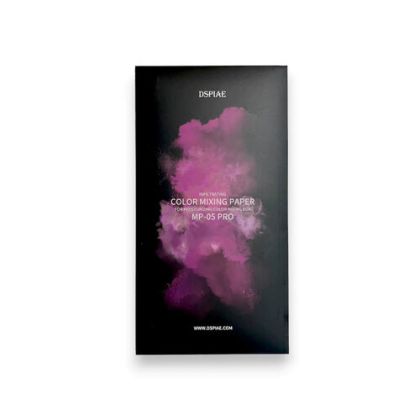
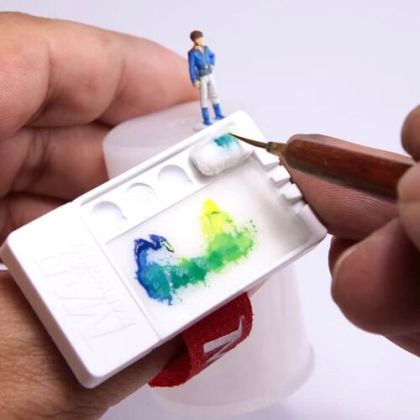
A wet palette is a shallow box with a soaked pad and a semi-permeable paper on top. Paint on it does not skin over within minutes, so you can build gradual transitions on a figure or blend across an area without rushing. Papers are bought separately as refills, so one palette lasts for years.
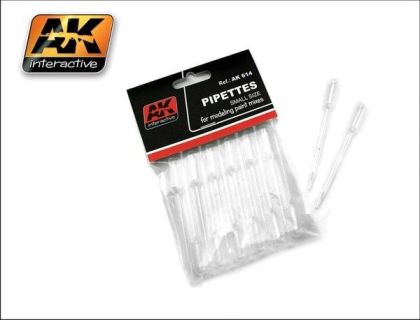
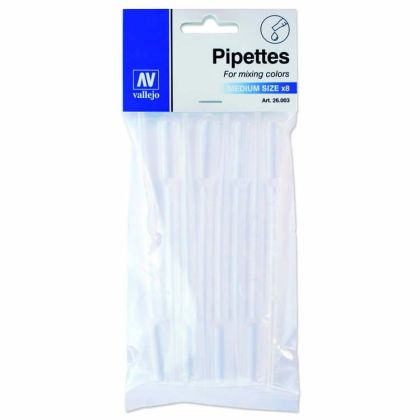
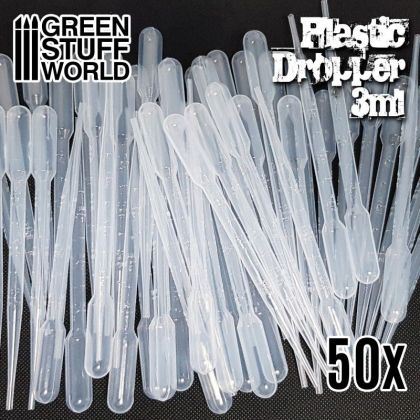
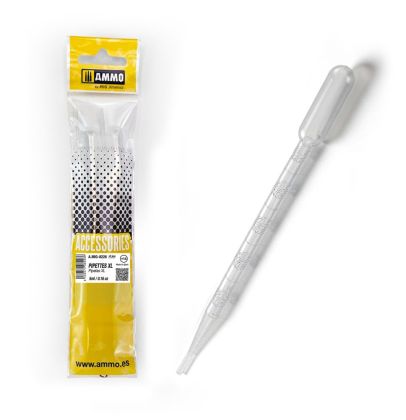
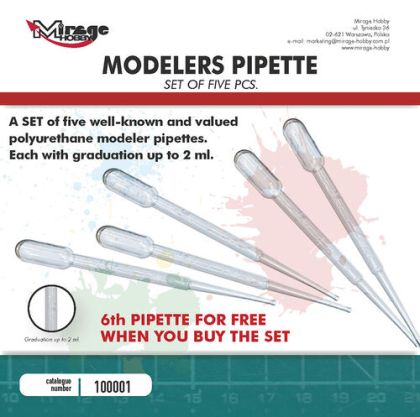
If you mix a shade to a recipe, you need dosing you can repeat. Pipettes and syringes let you measure paint and thinner by the drop or by the millilitre, so the same mix comes out the same way next month. They also fill an airbrush cup without spills.
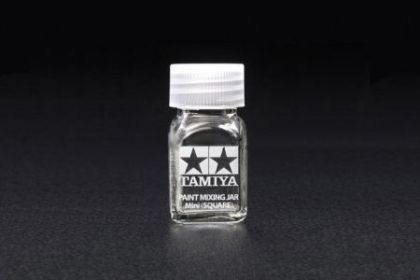
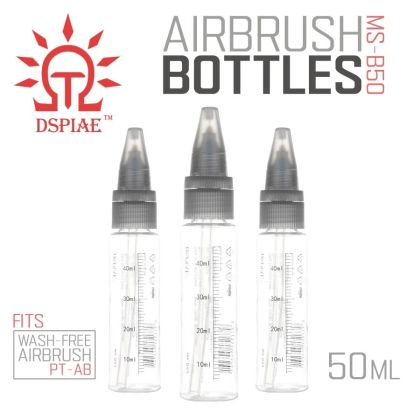
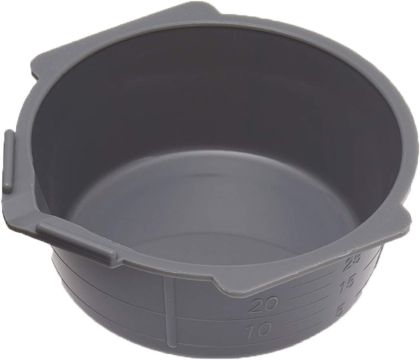
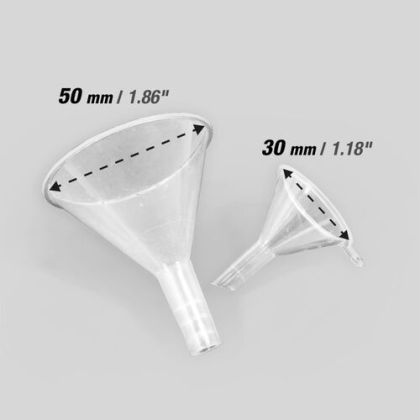
A mix worth making is worth keeping. Empty bottles with a secure cap, disposable cups and small funnels let you transfer paint without losses and without a dried ring around the neck. They also help when you decant a larger jar into a bench-sized one.
Acrylic shades stay workable longest on a wet palette, while oil paints prefer an absorbent surface that draws off surplus binder. The model paints overview shows which binder you are dealing with, and the workbench section covers organising the space around it.